


Cozy Winter Cabin Interior Design
The 'Cozy Winter Cabin Interior Design' scene reimagines compact, nature-integrated living spaces for cold-season comfort — transcending traditional camping to become a holistic spatial experience. It emphasizes emotional warmth, atmospheric intimacy, and material authenticity, where interior boundaries soften into the winter landscape through strategic fenestration, tactile textures, and layered lighting. This scene is not limited to cabins alone; it applies equally to alpine lodges, forest retreats, snowy suburban cottages, or even urban apartments evoking winter serenity — making it a versatile archetype for mindful indoor-outdoor harmony and intentional indoor space planning.
Design Challenges & Common Pitfalls
Designers often struggle with balancing thermal comfort and visual lightness: over-insulating with heavy textiles risks visual clutter, while prioritizing glass views may compromise perceived warmth. Other frequent issues include poor spatial zoning in small footprints (e.g., conflating sleeping, cooking, and lounging without acoustic or visual separation), underutilization of vertical surfaces for storage or ambiance, and mismatched material palettes that feel either too clinical (cold metals, stark whites) or overly rustic (excessive raw timber without tonal variation). Achieving authentic coziness — rather than clichéd 'cabin-core' — demands nuance in proportion, rhythm, and sensory layering, especially when using AI-powered tools like Homestyler Design Tools that prioritize speed over contextual subtlety.
✅ Warmth-First Material Palette
Prioritize natural, tactile, and thermally resonant materials: reclaimed wood (walls, beams, flooring), wool-blend textiles (rugs, throws, upholstery), matte-finish ceramics, and soft-touch leathers. Avoid reflective surfaces (glossy tiles, mirrored panels) that amplify cold perception. Integrate biophilic elements — exposed grain, organic curves, stone accents — to reinforce connection with winter nature without sacrificing interior warmth. Color-wise, anchor with deep forest greens, charcoal greys, and toasted ochres, then lift with creamy off-whites and warm amber highlights.

Patricia Rego’s 'Slanted Window House In Snow' masterfully applies the Warmth-First Material Palette: she uses rich, horizontal wood grain on walls and ceiling to ground the space, complemented by plush textured rugs and fabric-upholstered seating. Crucially, she avoids cold-toned finishes — even the window frame and structural elements echo warm timber tones. Using Homestyler AI design tools, she likely leveraged the 'Natural Materials' preset and HDR environment 'g_northern_snow' to simulate realistic light interaction with wood grain — proving how AI can accelerate authentic material storytelling in indoor space planning.
Design Your Cozy Cabin✨ Strategic Light Layering
Layer ambient, task, and accent lighting to mimic the quiet drama of winter daylight and firelight. Ambient: low-intensity, warm-white (2200K–2700K) recessed or pendant fixtures with diffused output. Task: focused, adjustable sconces or table lamps near reading nooks or kitchenettes. Accent: subtle LED strip lighting under shelves, behind headboards, or along floor perimeters to enhance depth and safety. Incorporate at least one dynamic light source — a simulated fireplace, candle cluster, or backlit frosted-glass panel — to serve as an emotional hearth and focal point.

Jayveon Mroz’s 'A Symphony of Space' demonstrates Strategic Light Layering with poetic precision: ambient glow from recessed ceiling lights blends seamlessly with focused bedside sconces and delicate under-cabinet LED strips. The composition centers on a softly lit curved wall — acting as both architectural feature and gentle backlight — evoking the warmth of an unseen hearth. Leveraging Homestyler Design Tools, he likely used the 'Lighting Preset: Cozy Hearth' and adjusted sunlight intensity + HDR 'north_euro_city' to calibrate shadow softness and warmth diffusion — a powerful example of how AI-assisted indoor space planning enhances emotional resonance without manual rendering.
Start Warm Winter Design🌿 Seamless Indoor-Outdoor Framing
Windows are not just apertures — they’re curated picture frames and atmospheric conduits. Prioritize large, well-framed glazing oriented toward scenic winter vistas (snow-laden pines, frosted meadows, misty hills). Use minimal mullions, flush-mount frames, and neutral-toned curtains (linen, wool) that disappear when open. Complement views with interior 'echo elements': indoor greenery (evergreen topiaries, dried grasses), exterior-facing mirrors, or decor motifs (wood grain patterns, snowflake motifs in textiles) that visually extend the outside inward — reinforcing biophilic continuity and spatial generosity.

Cecilia Botha’s 'A Glimpse of Modern Serenity' exemplifies Seamless Indoor-Outdoor Framing: expansive, nearly frameless windows dominate the composition, turning snow-dusted trees into living wallpaper. She reinforces the connection with interior echoes — a monolithic wooden dining table mirroring tree-trunk texture, and pale linen drapes that recede completely. Using Homestyler AI design tools, she selected HDR 'g_northern_snow' and fine-tuned the 'View Angle' and 'Glass Reflectivity' sliders to balance interior warmth against exterior clarity — showcasing how AI empowers precise environmental storytelling in indoor space planning.
Create Your Winter HavenFAQ
Q: Do I need professional architecture knowledge to join the 'Camping in Cozy Winter' challenge?
Not at all. Homestyler Design Tools are built for designers of all levels — from beginners sketching their first cabin layout to seasoned professionals refining material palettes. The AI assists with spatial logic, lighting simulation, and style coherence, so your focus stays on narrative and atmosphere.
Q: Can I submit multiple designs using different Homestyler AI presets?
Absolutely — and it’s encouraged! Experiment with HDR environments like 'o_snowy_Forest', 'd_northern_snow', or 'c_snowy_Forest' to test how light quality transforms mood. Each submission counts toward your participation, and top entries often iterate across presets to refine warmth perception and spatial flow.
Q: How does 'cozy winter' differ from generic 'cabin' design in terms of indoor space planning?
It shifts emphasis from rustic aesthetics to human-centered comfort: smaller footprints demand smarter zoning (e.g., lofted sleeping areas, multifunctional furniture), thermal layering replaces decorative clutter, and view framing becomes a core functional requirement — not just a stylistic flourish. It’s indoor space planning guided by seasonality, emotion, and environmental empathy.
Q: Are there Homestyler Design Tips for maximizing small-area impact in winter scenes?
Yes: (1) Use vertical storage with warm-wood cladding to avoid visual weight; (2) Choose furniture with tapered legs and light undersides to preserve floor-plane continuity; (3) Apply the '60-30-10' color rule with deep base tones (60%), soft mid-tones (30%), and warm metallic or amber accents (10%) — all easily adjustable via Homestyler’s real-time material swatches.
What began as an Autodesk innovation has evolved into a design platform used by more than 18 million people around the globe. Homestyler combines powerful rendering, an intuitive editor, and a vast furniture library to help you turn inspiration into photorealistic designs — whether you're redesigning a single room or planning an entire home.

Modern Brown Leather Loveseat Sofa with Decorative Pillows and Throw Blanket 3D Model
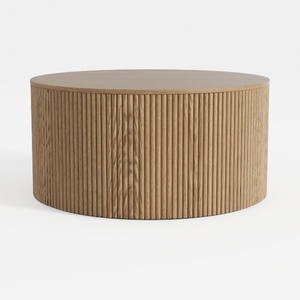
Minimalist Fluted Solid Oak Round Coffee Table 3D Model

Minimalist Japandi Solid Wood Cane TV Stand Console 3D Model
Homestyler offers an easy-to-use online home design tool with stunning 3D renderings, inspiring design projects, and helpful DIY video tutorials. It’s perfect for bringing your interior design ideas to life quickly and beautifully. Give your home a fresh new look today!
Design Now for FREE





