Downtown Living Space Design
The 'Downtown Living Space' refers to compact, high-functionality urban residential interiors—typically apartments or lofts located in city centers—where spatial efficiency, psychological comfort, and aesthetic refinement must coexist. These spaces often feature limited square footage, irregular layouts, and abundant natural light potential through large windows. Successful downtown living design balances openness with intimacy, integrates multifunctional zones (e.g., kitchen-living-dining hybrids), and prioritizes material warmth, visual transparency, and human-centered ergonomics—all while reflecting the vibrancy of city life without sacrificing serenity.
Design Challenges & Common Pitfalls
Key challenges include: (1) maximizing usable area in constrained footprints (e.g., studios under 30 m²); (2) reconciling open-plan flexibility with acoustic privacy and functional zoning; (3) achieving sufficient storage without compromising airy, uncluttered aesthetics; (4) balancing abundant daylighting with glare control and thermal comfort; and (5) integrating personality-driven details (e.g., accent colors, textures, art) without visual overload—a recurring theme across top-winning entries like Юлия Исаева’s award-winning «Современный горизонт» (23.78 m²).
✅ Prioritize Visual Spaciousness Through Light & Reflection
Use light-reflective surfaces (glossy cabinetry, mirrored backsplashes, pale matte floors), strategically placed mirrors, and full-height windows to amplify perceived volume. Avoid heavy curtains—opt for sheer layers or motorized roller shades. Homestyler AI’s HDR lighting presets (e.g., 'g_peoples_square_dawn') simulate real-world daylight dynamics, enabling designers to test how materials and window placements perform at different times of day—critical for downtown units facing variable sun exposure.

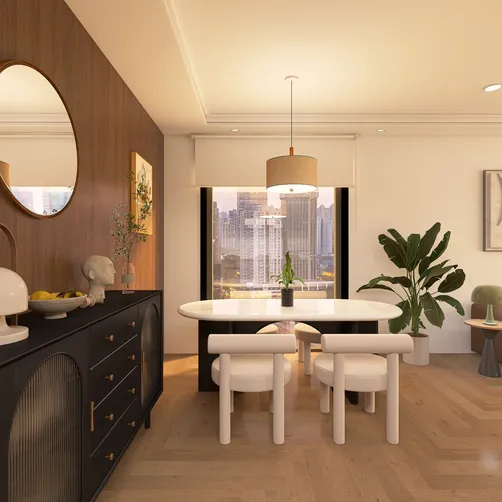
Arda Studio’s ‘✨A warm refuge in the heart of Downtown✨’ (92.24 m²) exemplifies this principle: large north-facing windows flood the dining zone with soft evening light, while glossy white cabinetry and a mirrored sideboard visually expand depth. Using Homestyler AI, the designer likely leveraged the 'g_peoples_square_dawn' HDR preset to preview luminance distribution—ensuring no glare on the dining table while preserving warmth via ambient pendant lighting.
Start Designing Now✅ Define Zones Without Walls Using Furniture & Materiality
In open-concept downtown spaces, define functional areas (living, dining, kitchen, sleeping nook) through strategic furniture grouping, ceiling treatments (e.g., recessed lighting zones), floor transitions (textured rugs over hardwood), and contrasting material palettes—not partitions. This preserves sightlines and airflow while supporting psychological zoning. Homestyler’s drag-and-drop furniture library and real-time material swap tools let designers rapidly iterate spatial hierarchies and test perceptual boundaries before finalizing layouts.

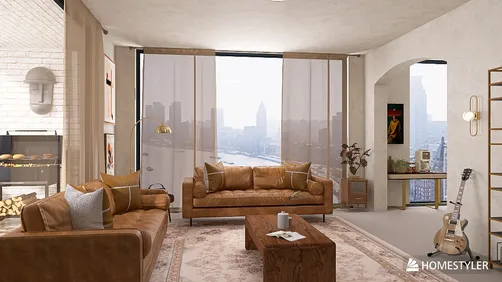
Nadya P’s ‘Untitled’ (178.51 m²) masterfully zones a combined living-dining area using a low-profile L-shaped sofa, a sculptural coffee table anchoring the lounge, and a distinct walnut dining table paired with woven pendants—no walls needed. Homestyler AI’s instant material preview helped harmonize warm wood tones across zones while maintaining visual separation, demonstrating advanced indoor space planning for multifunctional urban dwellings.
Design Your Space Free✅ Curate Warmth & Personality with Intentional Detail Layers
Downtown residences risk feeling sterile or transient. Counteract this by layering tactile elements: textured upholstery, hand-thrown ceramics, organic greenery, and carefully curated art. Use color intentionally—not as saturation, but as emotional punctuation (e.g., a single yellow accent wall, as requested in Elisa Tarquini’s CASA AURORA project). Homestyler’s AI-powered style suggestion engine helps match decor items to overarching themes (‘Modern Warm’, ‘Urban Rustic’) while ensuring chromatic harmony and scale coherence.

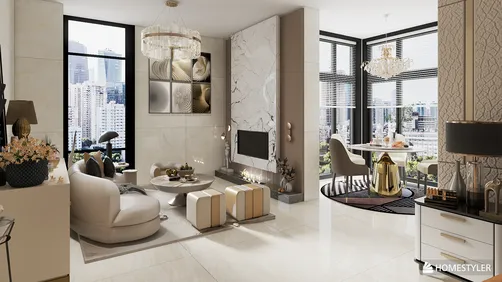
Elisa Tarquini’s ‘CASA AURORA – CUCINA SEPARATA OPT. 1’ (75.00 m²) introduces subtle yellow accents in throw pillows and ceramic vases—fulfilling her client’s request for character without overwhelming the neutral base. She used Homestyler AI’s ‘style match’ tool to source cohesive accessories and previewed daylight interactions via the 'g_ljz_day' preset, proving how intentional detail layers elevate psychological comfort in dense urban living—a core tenet of downtown interior space planning.
Create Your Dream RoomFAQ
Q: How does Homestyler AI specifically support small-space downtown design?
Homestyler AI streamlines downtown interior space planning by offering real-time spatial simulation, automatic furniture scaling based on room dimensions, one-click material swaps for rapid prototyping, and AI-generated layout alternatives optimized for flow and functionality—especially valuable for micro-apartments where every centimeter counts.
Q: Can I enter the Downtown Living Design Challenge without professional experience?
Absolutely. The contest welcomes all skill levels. Homestyler’s intuitive interface, guided tutorials, and AI-assisted design suggestions lower the barrier to entry—enabling beginners to apply professional-grade Homestyler design tips and generate competition-ready renders in minutes.
Q: Why do top-winning downtown designs emphasize ‘psychological comfort’ over pure aesthetics?
Because downtown living is inherently high-stimulus. Top entries (like Maud Van den Berg’s #3-winning design) prioritize biophilic elements, acoustic buffers, warm lighting temperatures, and flexible zones—all proven to reduce urban stress. This human-centered approach transforms compact spaces into serene sanctuaries, aligning with the contest’s core philosophy.
Q: What’s the most common mistake in downtown kitchen-living integrations?
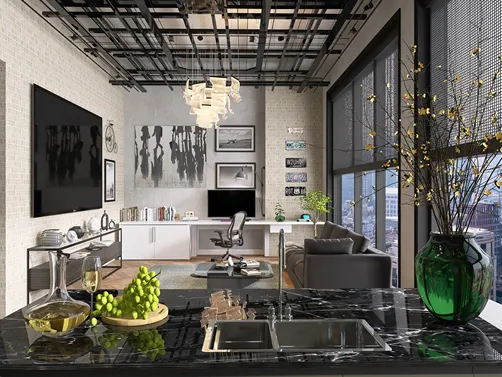
Overlooking workflow continuity and visual hierarchy. Winning designs (e.g., Giulia Cantarella’s ‘Downtown apartment’) separate cooking prep from social zones using island height variation, hood integration, and directional lighting—ensuring the kitchen functions efficiently *and* recedes aesthetically when not in use. Homestyler AI’s zone-based lighting controls make testing these subtleties effortless.


Modern Marble Metal Split Top Coffee Table 3D Model

Contemporary Brass Glass Acrylic Side Table 3D Model
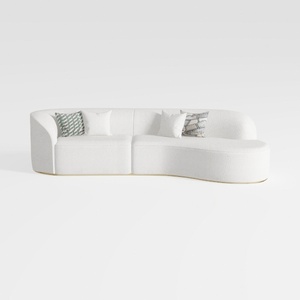
Minimalist Boucle Fabric Curved Sectional Sofa 3D Model
Homestyler offers an easy-to-use online design tool, stunning 3D renderings, and a rich collection of interior projects. With helpful DIY video tutorials, it’s perfect for turning your home design ideas into reality, whether you’re a beginner or a pro.
Design Now for FREE