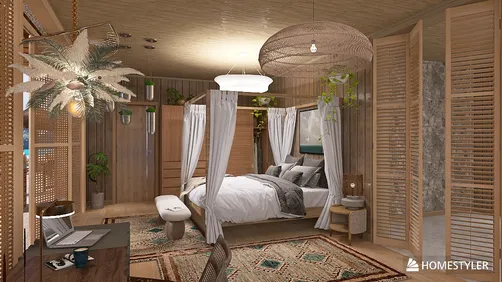
Sustainable Living Space Design
A sustainable living space is a holistic interior environment that harmonizes ecological responsibility with human comfort and aesthetic expression. It transcends superficial 'green' decor—instead prioritizing energy efficiency, material circularity (e.g., reclaimed wood, recycled stone, cork), biophilic integration (natural light, indoor greenery, outdoor views), and passive climate strategies (cross-ventilation, thermal mass, daylight optimization). This scene isn’t limited to one room—it’s a unified philosophy applied across entrances, living zones, kitchens, bedrooms, and courtyards, as evidenced by top-winning entries like Shannon Nambia’s 'Nature's Embrace' (featuring sliding wooden doors and curated greenery) and T Yener’s courtyard-centered home. It emphasizes *indoor space planning* that blurs boundaries between built and natural environments while leveraging tools like Homestyler’s real-time 3D rendering for accurate sunlight simulation and material visualization.
Design Challenges & Common Pitfalls
Designing sustainably often faces three key tensions: (1) Balancing high-performance eco-materials (e.g., low-VOC finishes, FSC-certified timber) with budget constraints and local availability; (2) Achieving deep energy efficiency (e.g., triple-glazed windows, insulation) without compromising spatial openness or visual warmth; and (3) Integrating biophilic elements meaningfully—not as decorative afterthoughts (e.g., a single potted plant), but as functional components of the *indoor space planning*, such as operable skylights for ventilation, green walls for air filtration, or courtyard atriums for cross-breezes. Many designers default to aesthetics over performance, missing opportunities for passive design that Homestyler AI tools can help simulate and validate early in the process.
🌱 Prioritize Natural Light & Passive Solar Gain
Maximize daylight penetration through strategic window placement (south-facing in the Northern Hemisphere), light-reflective surfaces (light-colored ceilings, polished concrete floors), and open-plan layouts that avoid light-blocking partitions. Use shading devices (e.g., overhangs, deciduous vines) to prevent summer overheating while allowing winter sun. This reduces reliance on artificial lighting and HVAC—cutting energy use by up to 30%. Homestyler’s HDR lighting presets (e.g., 'g_sunny_vondelpark', 'g_lilienstein') and real-time sunlight sliders enable precise evaluation of illumination quality and glare control throughout the day.

Fiona Noonan’s 'Barn Makeover' masterfully applies this principle: expansive floor-to-ceiling windows flood the rustic living space with daylight, eliminating the need for overhead lighting during daytime hours. Using Homestyler’s real-time 3D rendering, she simulated seasonal sun angles to confirm optimal glazing placement—ensuring warmth in winter and shade in summer. Her approach exemplifies how * Homestyler design techniques* transform passive solar theory into tangible, livable comfort within a sustainable living space.
Design Your Cozy Room♻️ Specify Low-Impact, High-Performance Materials
Choose renewable, recycled, or rapidly regenerating materials with low embodied carbon and non-toxic properties: reclaimed wood for flooring and beams; cork or linoleum for resilient, biodegradable flooring; natural clay or lime plaster for breathable, moisture-regulating walls; and recycled glass or sintered stone for countertops. Prioritize locally sourced options to reduce transport emissions. These selections support circular economy principles while adding authentic texture and warmth—key to emotionally resonant sustainable interiors.

Shannon Nambia’s award-winning 'Nature's Embrace' uses warm, untreated reclaimed wood for its sliding entrance door and structural accents—reducing demand for virgin timber while celebrating material history. She selected low-VOC natural oil finishes via Homestyler’s material library filters, ensuring indoor air quality. By previewing textures and grain patterns in real-time 3D, she validated both sustainability credentials and aesthetic harmony—showcasing how * Homestyler design techniques* streamline ethical material selection without sacrificing visual cohesion in the sustainable living space.
Start with Nature’s Embrace🌿 Integrate Biophilia as Functional Infrastructure
Move beyond potted plants: embed nature as active infrastructure. Incorporate interior courtyards or atriums (as in T Yener’s Top 2 design) for natural ventilation and light wells; install green roofs or walls for thermal insulation and biodiversity; use operable windows aligned for cross-ventilation; and select native, drought-tolerant species for indoor/outdoor continuity. These features regulate humidity, filter airborne toxins, reduce urban heat island effects, and measurably improve occupant well-being—making biophilia a core performance strategy, not just décor.

T Yener’s 'A Sustainable Living Experience' centers the entire layout around a tranquil interior courtyard with a mature tree—functioning as a thermal chimney for passive cooling and a primary source of diffused natural light. Using Homestyler’s AR virtual furniture placement, she tested sightlines and airflow paths before finalizing openings, confirming unobstructed north–south ventilation. This demonstrates how *indoor space planning*, guided by Homestyler AI tools, turns biophilic design into quantifiable environmental performance within the sustainable living space.
Create Your Green CourtyardFAQ
Q: Do I need professional architectural training to participate in the Sustainable Home Design for Web contest?
Not at all. The contest welcomes designers of all backgrounds—including students, DIY enthusiasts, and hobbyists. Homestyler’s intuitive drag-and-drop interface and AI-powered rendering make professional-grade sustainable *indoor space planning* accessible without CAD expertise.
Q: Can I use my own 3D models or custom textures in Homestyler for this contest?
Yes—but only assets from Homestyler’s official library or those explicitly labeled ‘uploadable’ per the contest’s toolLimits [4] rule. Custom uploads must comply with licensing and file-type requirements to ensure fair competition and rendering compatibility.
Q: How does Homestyler help me verify if my design is truly energy-efficient?
While Homestyler doesn’t run full energy modeling (e.g., DOE-2), its real-time 3D rendering with dynamic HDR lighting, sunlight sliders, and thermal material previews (e.g., stone vs. timber reflectivity) allows you to *visually simulate* passive solar gain, glare, and daylight autonomy—critical first-step validations used by top winners like Amy ✨ and Andi Padmandi.
Q: Are historical structures or ruins eligible for sustainable redesign in this contest?
Absolutely—and highly encouraged. As seen in Amy ✨’s Top 3 'Project: Sustainable Home', adaptive reuse of existing ruins minimizes demolition waste and preserves cultural memory. Your design must clearly articulate how structural retention, material salvage, and new sustainable systems (e.g., rainwater harvesting, solar integration) coexist holistically.
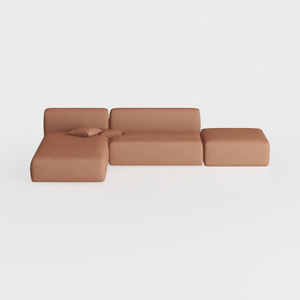
Minimalist Brown Fabric Modular Sectional Sofa 3D Model
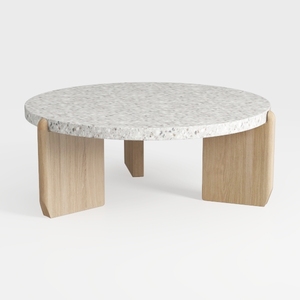
Minimalist Terrazzo Solid Oak Round Coffee Table 3D Model
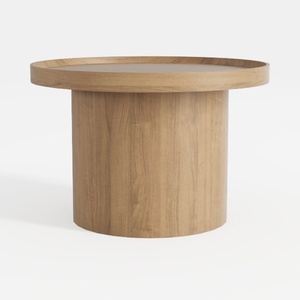
Minimalist Solid Oak Round Coffee Table 3D Model
Homestyler is a fantastic online home design platform that offers powerful 3D rendering tools, inspiring design projects, and helpful DIY video tutorials. It makes creating and visualizing your dream interiors easy and fun, whether you’re a beginner or a design enthusiast.
تصميم الآن مجانا