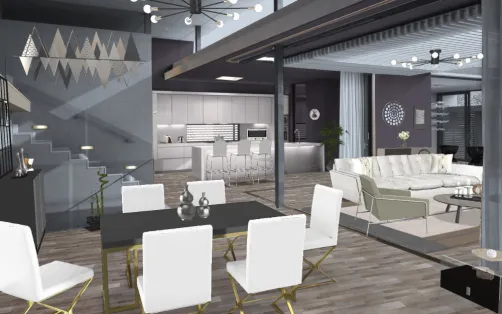
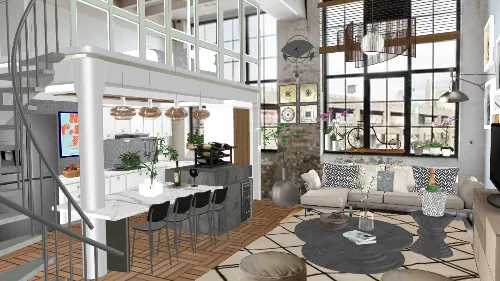
Industrial Style Living Space Design
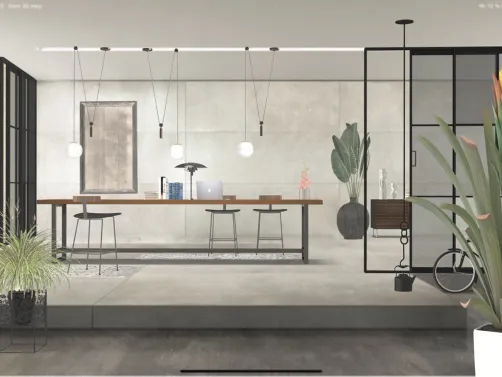
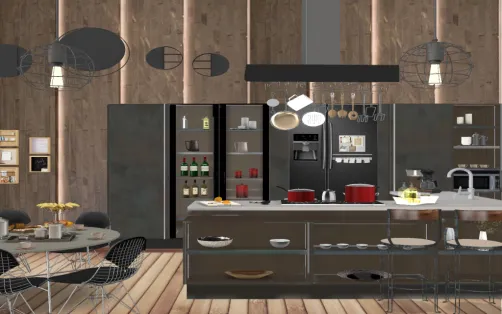
The Industrial Style Living Space is a versatile, urban-inspired interior scene that merges raw authenticity with refined comfort. It typically features exposed structural elements (e.g., ductwork, brick walls, or ceiling beams), matte black or brushed metal fixtures, reclaimed wood accents, and a restrained neutral palette—think charcoal, warm greys, oat, and ivory. Unlike rigid loft stereotypes, modern industrial living spaces prioritize livability: soft textiles (linen sofas, wool throws), layered lighting (pendants + floor lamps), and curated 'found objects' (vintage signage, repurposed factory carts) introduce warmth and personality—making it ideal for open-plan apartments, converted warehouses, or even compact urban homes seeking character without clutter. This design approach strongly supports intentional indoor space planning and leverages Homestyler design tips for balancing boldness and harmony.
Design Challenges & Common Pitfalls
Industrial style is often misinterpreted as purely utilitarian or overly austere—leading to cold, uninviting spaces. Key challenges include overusing dark metals (causing visual heaviness), neglecting acoustic comfort (exposed surfaces amplify echo), insufficient layering of texture and scale (resulting in flatness), and poor integration of functional storage within the raw aesthetic. Additionally, many designers struggle to adapt industrial cues to smaller footprints—such as studios or galley-style living areas—without sacrificing openness or usability. Thoughtful indoor space planning and strategic use of Homestyler design techniques are essential to overcome these hurdles.
✅ Prioritize Raw Texture + Refined Contrast
Industrial charm thrives on tactile authenticity—but contrast prevents monotony. Pair rough-hewn brick or concrete walls with smooth, warm-toned timber flooring or a plush, low-pile rug. Introduce matte black steel shelving alongside creamy linen upholstery or aged brass hardware to create visual rhythm and depth. Avoid uniform materiality; instead, curate deliberate juxtapositions that highlight craftsmanship and age.

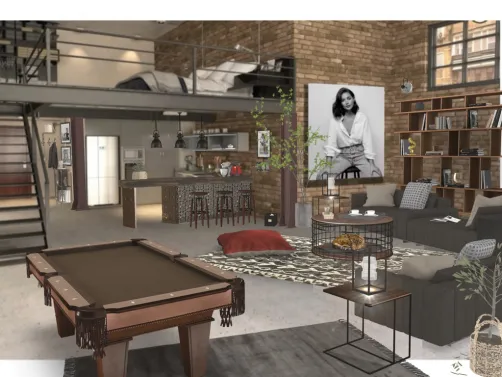
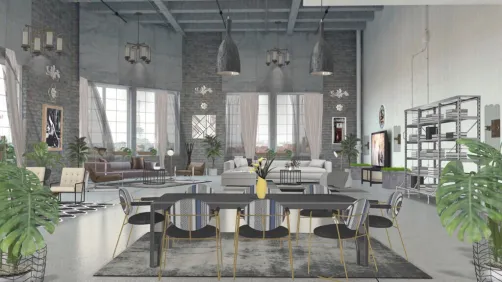
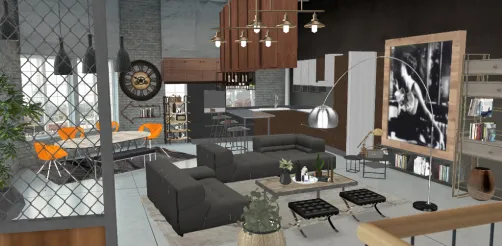
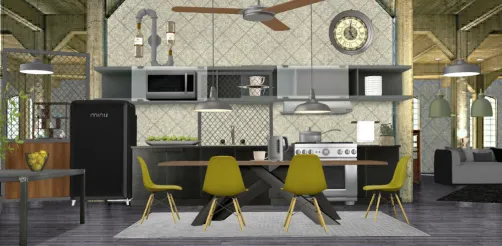
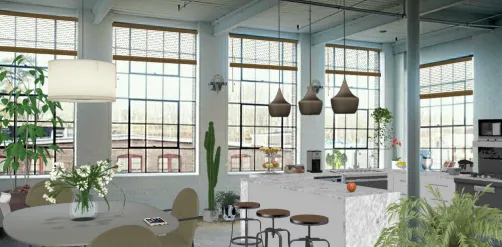
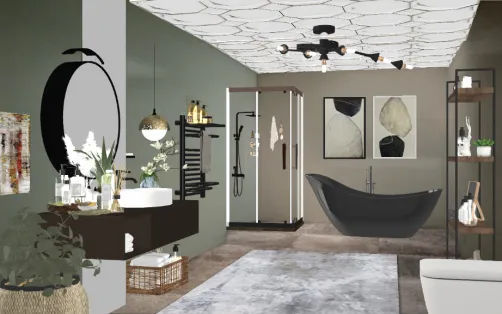
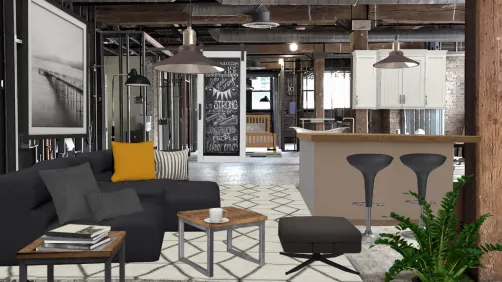
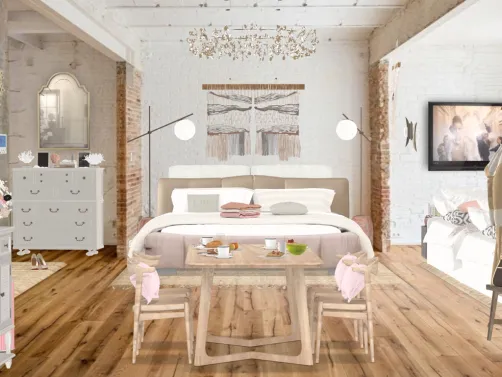
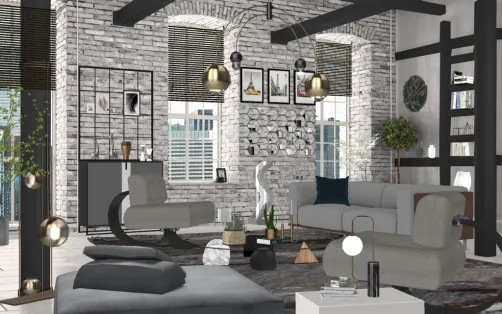
Andrea Beckman’s 'An Industrial Weekend' masterfully applies this principle: she contrasts an exposed brick accent wall and black steel pendant lights with a light oak dining table and ivory bouclé armchairs. Using Homestyler AI design tools, she precisely scaled textures and tested material pairings in real time—ensuring the raw elements grounded the space while soft furnishings elevated comfort. Her indoor space planning balances visual weight across zones, proving contrast is key—not contradiction.
Design Your Industrial Space✅ Anchor with Functional Industrial Elements
True industrial design honors utility—not just appearance. Structural honesty means celebrating built-in solutions: open steel shelving doubles as display and storage; pipe-framed coffee tables integrate hidden compartments; and multi-height lighting (track + adjustable sconces) serves both task and ambiance needs. Every industrial feature should earn its place through function, reinforcing purposeful indoor space planning and minimizing decorative excess.

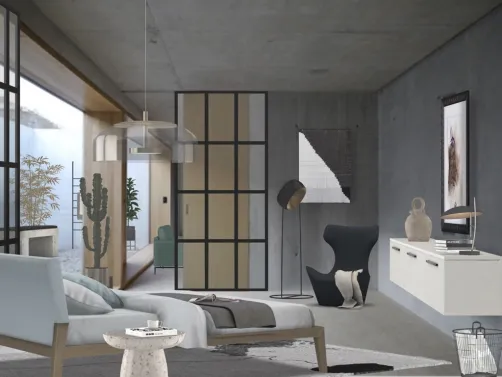
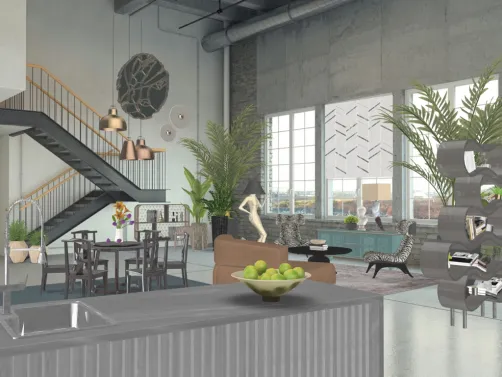
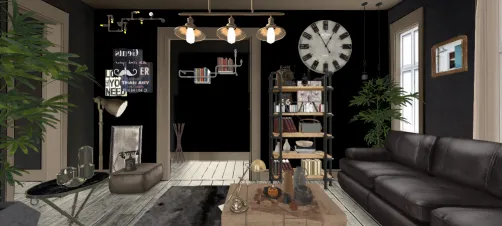
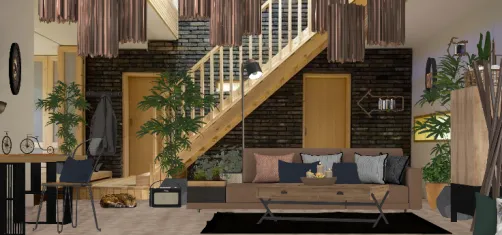
glacimussi Mussi’s 'Industrial Moderno!' uses pipe-based shelving units flanking a minimalist sofa—each shelf sized for books, plants, and small collectibles, eliminating the need for additional cabinets. With Homestyler design tips, she simulated sightlines and traffic flow before finalizing placement, ensuring clear pathways and accessible storage. This demonstrates how functional industrial elements streamline indoor space planning while enhancing daily usability.
Start Your Modern Loft✅ Soften Strategically with Neutral Layers & Found Objects
Industrial spaces risk feeling harsh without intentional softening. Use a cohesive neutral base (walls, floors, large furniture) as a canvas—then layer in warmth via organic shapes (curved sofas, round mirrors), tactile textiles (woven baskets, nubby throws), and meaningful found objects (vintage typewriters, antique globes, repurposed factory stools). These layers humanize the space without compromising its edge—proving that softness isn’t antithetical to industrial identity.

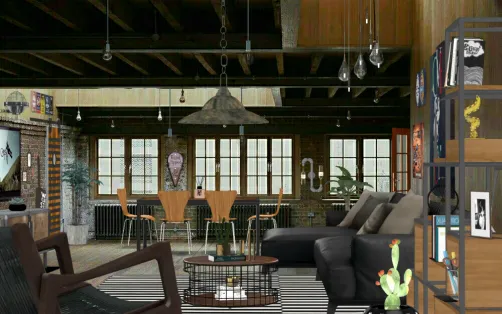
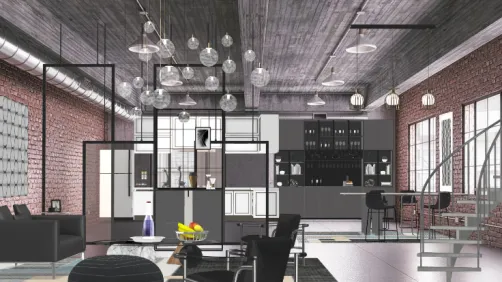
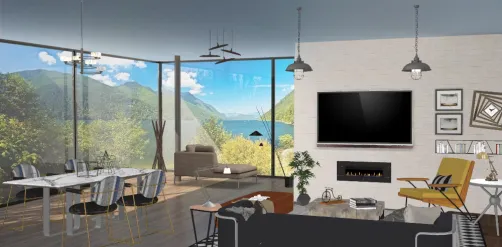
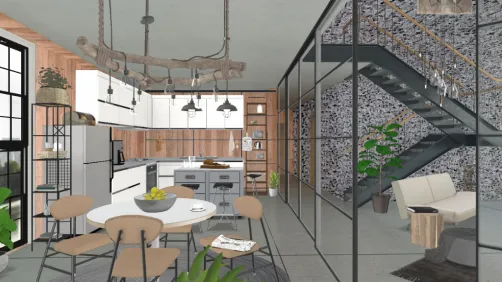
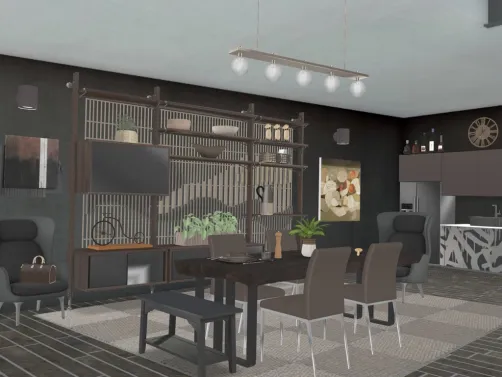
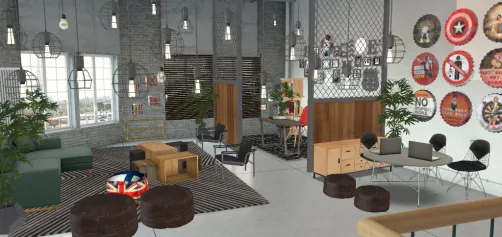
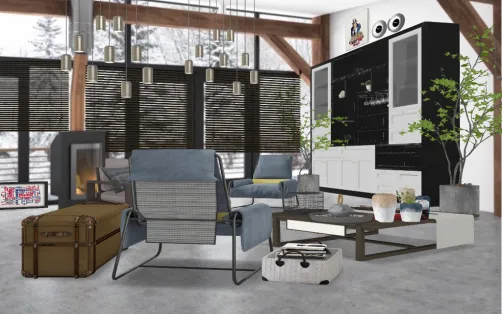
LaísTonasse’s 'Sala' embodies strategic softening: a monochrome backdrop (concrete floor, grey walls) frames a caramel leather sectional, rattan pendant, and stacked vintage suitcases used as side tables. Leveraging Homestyler AI design tools, she experimented with dozens of object placements and fabric swatches digitally—achieving balance before physical implementation. Her indoor space planning ensures each found object serves scale, function, or narrative—never just decoration.
Create Cozy Industrial VibesFAQ
Q: How can I apply industrial style to a small living area without making it feel cramped?
Use vertical industrial elements—open pipe shelving, tall mirror-backed metal frames, and suspended filament bulbs—to draw the eye upward. Prioritize multifunctional pieces (e.g., ottomans with storage, fold-down desks) and maintain generous negative space around seating. Homestyler design tips recommend using the app’s room-scan and dimension tools to simulate layouts at true scale—critical for effective indoor space planning in compact settings.
Q: Are exposed pipes and ducts necessary for authentic industrial style?
No—they’re iconic but not mandatory. Authenticity lies in attitude, not anatomy. You can evoke industrial spirit through material language (brushed steel, oxidized copper, wire-mesh cabinet fronts), structural forms (I-beam coffee tables, rivet-trimmed upholstery), and honest detailing—even in drywalled spaces. Homestyler design techniques let you test alternatives like faux-exposed ceilings or textured wall panels with zero renovation risk.
Q: What’s the best way to mix industrial elements with other styles—like Scandinavian or boho—without clashing?
Anchor the blend with shared values: simplicity, natural materials, and functional honesty. For example, pair black steel frame chairs (industrial) with light ash wood tables (Scandinavian) and macramé wall hangings (boho)—unified by a consistent neutral palette and restrained scale. Homestyler AI design tools help preview hybrid palettes and proportions, supporting confident indoor space planning across stylistic boundaries.
What began as an Autodesk innovation has evolved into a design platform used by more than 20+ million users around the globe. Homestyler combines powerful rendering, an intuitive editor, and a vast furniture library to help you turn inspiration into photorealistic designs — whether you're redesigning a single room or planning an entire home.


Modern Luxury Fabric Leather Gold Accent Sofa 3D Model
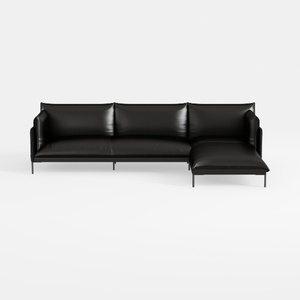
Modern Black Leather L Shaped Sectional Sofa 3D Model

Modern Black Solid Wood Sideboard with Gold Accent Hardware 3D Model
Homestyler offers an easy-to-use online design tool with stunning 3D renderings, a vast collection of interior projects, and helpful DIY video tutorials—making it simple and inspiring to create your perfect home space.
Design Now for FREE