Cool Color Living Space Design
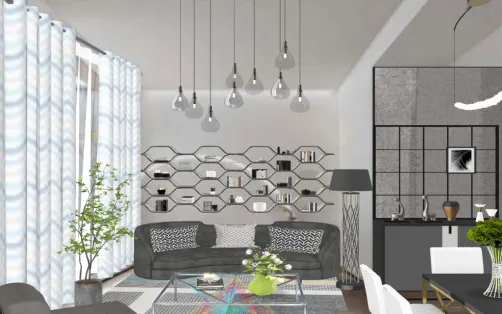
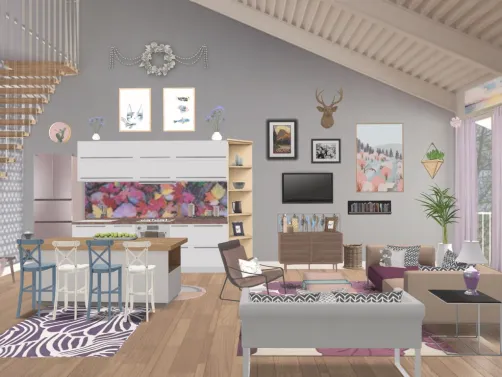
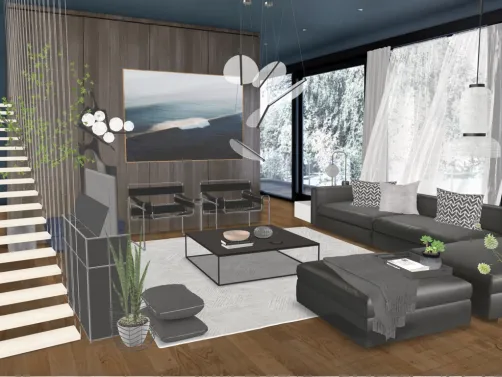
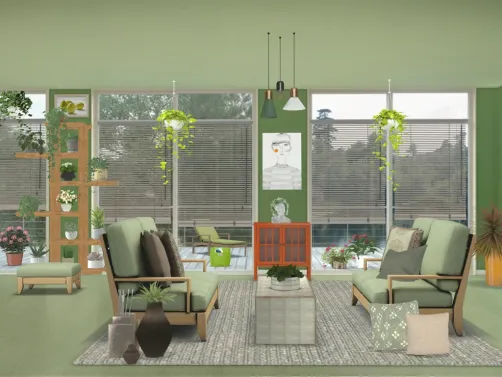
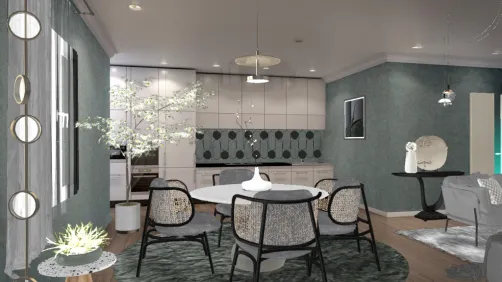
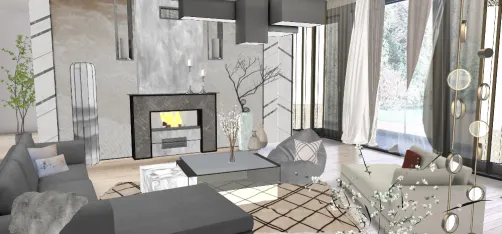
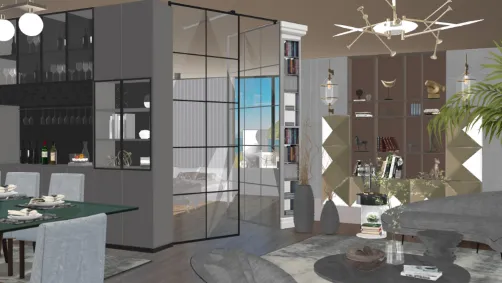
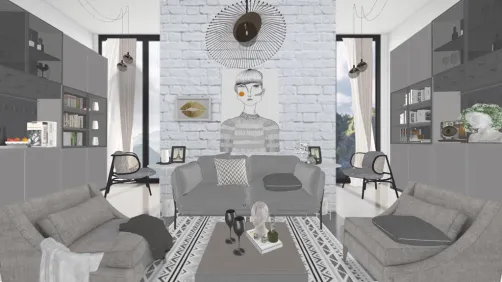
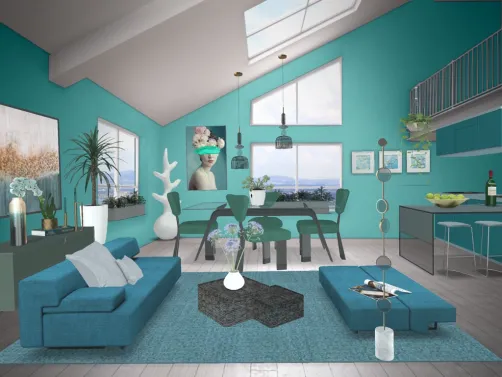
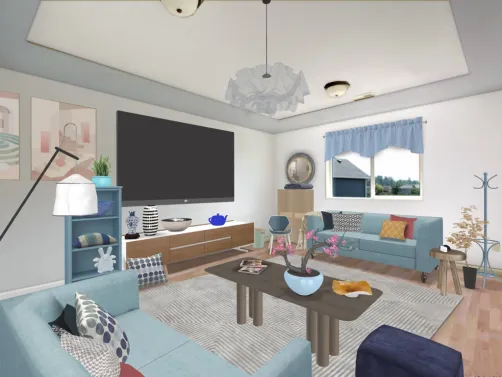
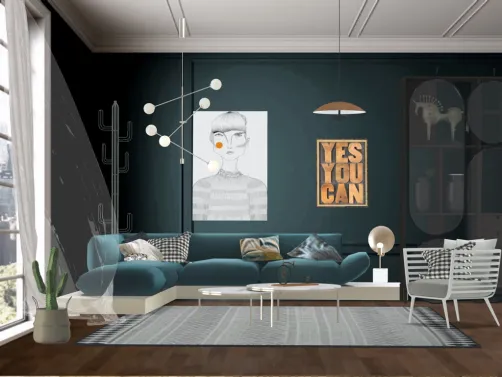
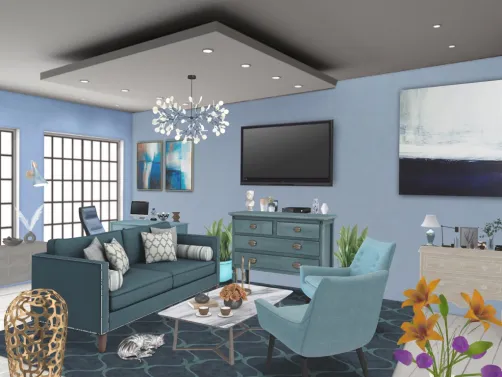
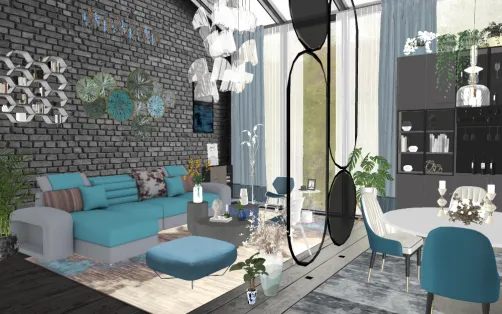
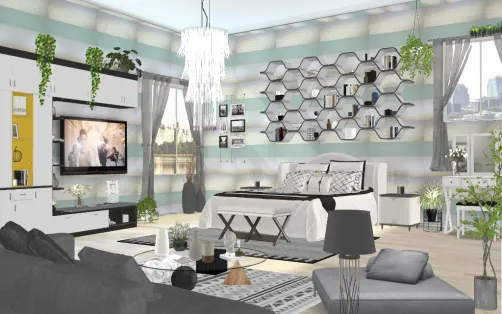
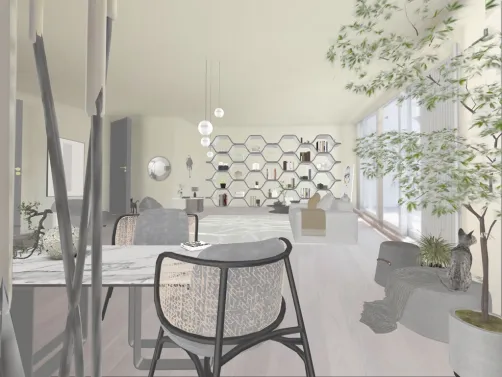
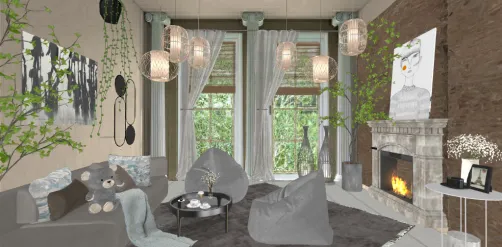
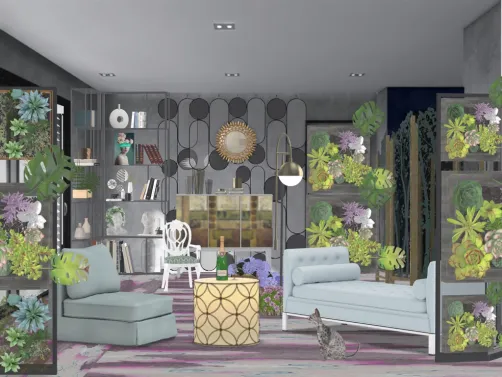
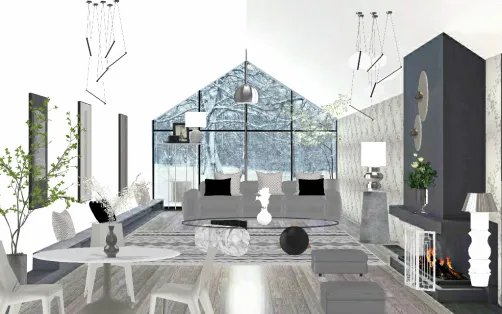
The 'Cool Color Living Space' refers to a living room or open-plan communal area intentionally designed using cool-toned palettes—such as soft blues, muted greens, pale lavenders, and sophisticated greys—to evoke calmness, visual spaciousness, and serene sophistication. As highlighted in the CoolColorContest, these hues recede optically, making compact or low-ceilinged living areas feel more expansive and airy. This design approach prioritizes psychological comfort and spatial perception over bold contrast, aligning closely with modern wellness-oriented interior space planning.
Design Challenges & Common Pitfalls
Common challenges include unintended sterility (e.g., monochromatic grey schemes lacking warmth), poor color layering that flattens depth, insufficient lighting integration (cool tones can appear dull under warm artificial light), and mismatched material textures that disrupt cohesion. Additionally, designers often overlook how cool colors interact with natural light direction—north-facing rooms benefit most, while south-facing ones may require strategic warm-tinged accents to avoid glare-induced coolness fatigue. Effective indoor space planning must therefore balance chromatic harmony with functional luminance and tactile variety.
🎨 Principle 1: Prioritize Layered Neutral Foundations
Begin with a restrained base palette of off-whites, warm greys, or stone-toned neutrals—not pure white or flat charcoal—to provide optical grounding and prevent coldness. Layer subtle cool undertones (e.g., greige with blue bias, oatmeal with sage infusion) across walls, large furniture, and flooring. This establishes tonal continuity while allowing accent pieces (like cerulean cushions or mint ceramics) to sing without overwhelming. Homestyler AI design tools enable instant material swaps and real-time lighting simulation—ideal for testing how a ‘foggy blue’ wall behaves under morning vs. evening renders before finalizing.

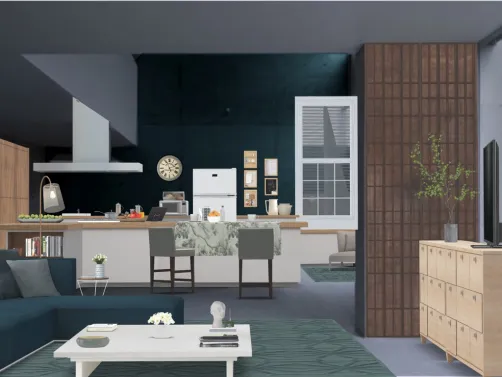
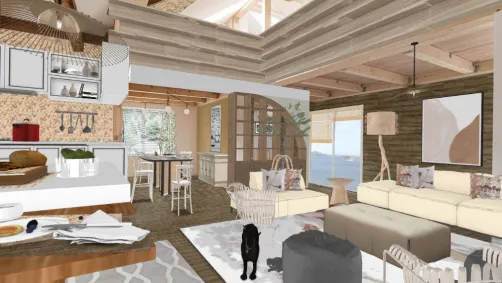
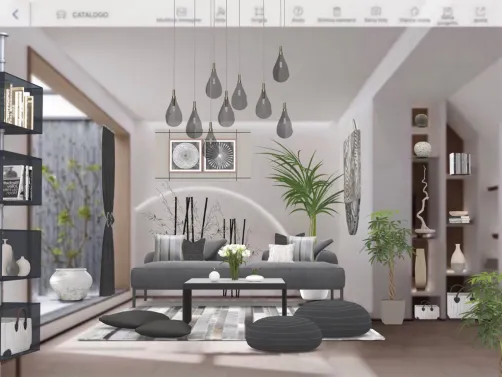
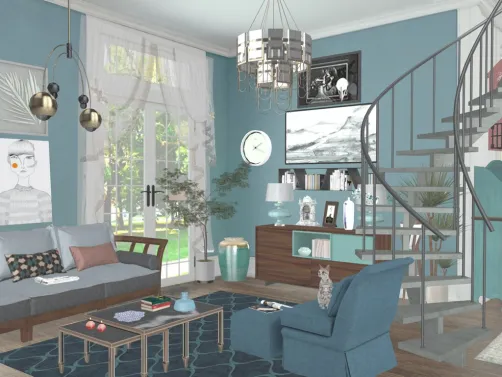
Designer Matty’s 'Détente' exemplifies layered neutral foundations: he anchors the scene in warm-toned plaster walls and taupe linen sofas, then introduces depth via a slate-blue rug and frosted glass side tables. Using Homestyler AI design tools, he iterated lighting presets to ensure cool tones retained richness under simulated overcast daylight—proving how foundational neutrality enables expressive yet restful cool color living space design.
Visit Design Challenges🌿 Principle 2: Integrate Nature-Inspired Texture & Depth
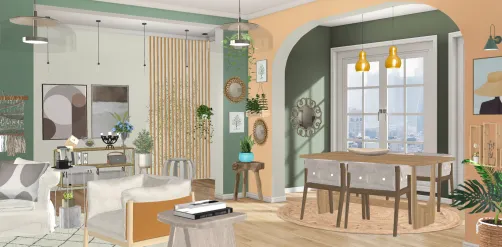
Cool palettes risk appearing flat without dimensional contrast. Strategically introduce natural textures—woven jute rugs, brushed oak shelving, ribbed linen drapery, or matte ceramic vases—to add warmth, tactility, and visual rhythm. These elements break up reflective surfaces and soften color transitions. In interior space planning, texture placement should follow sightlines: vertical textiles (curtains, tall plants) elongate perceived height; horizontal weaves (rugs, ottomans) widen narrow zones. Homestyler’s catalog now includes 200+ new eco-textured models—perfect for rapid prototyping of grounded, biophilic cool environments.

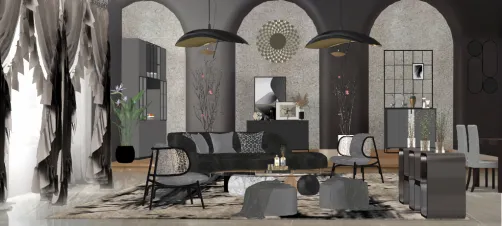
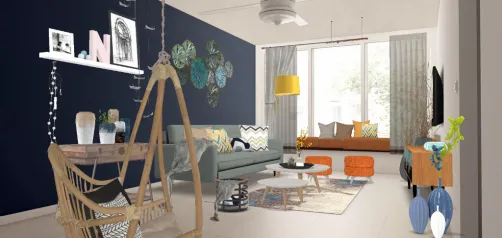
Melle Mel’s 'soft and subtle studio' masterfully applies nature-inspired texture: undyed rattan armchairs contrast matte navy walls, while raw-edge oak shelves display matte-glazed stoneware. She used Homestyler AI design tools to test over 12 fabric-render combinations in under 90 seconds—validating that tactile diversity prevents cool tones from feeling clinical. This reflects advanced indoor space planning where texture isn’t decorative but spatially corrective.
Visit Design Challenges💡 Principle 3: Calibrate Light Temperature & Direction
Lighting is the silent conductor of cool color perception. Pair cool-hued spaces with 4000K–4500K LED sources (neutral white) for clarity and balance—avoid >5000K (harsh blue-white) or <3000K (amber, which yellows cool tones). Use layered lighting: recessed ambient + adjustable wall sconces + focused task lamps. Position lights to graze textured walls (enhancing depth) and avoid direct downlight on cool-toned ceilings (which amplifies coldness). Homestyler’s real-time lighting engine lets users toggle sun angles and fixture types—critical for simulating how north-light diffuses a powder-blue accent wall at 3 PM versus 7 PM.

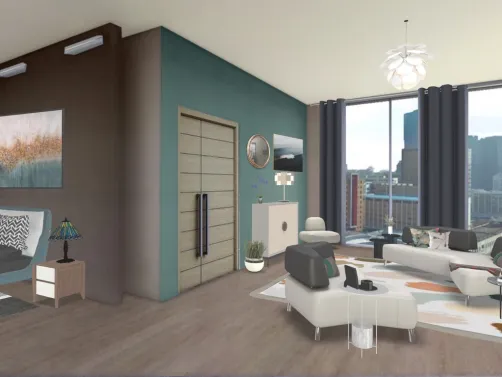
Matty’s 'Couleurs riches' demonstrates precise light calibration: adjustable brass sconces cast gentle pools on a teal-tinted clay wall panel, while recessed ceiling lights remain dimmed to avoid washing out the cool pigment. He leveraged Homestyler AI design tools to simulate seasonal sun paths—confirming that east-facing windows would highlight the wall’s mineral texture at dawn without casting cool shadows. This level of control transforms lighting from an afterthought into a core element of cool color living space design.
Visit Design ChallengesFAQ
Q: Can I use cool colors in a small, windowless living room?
Yes—cool tones like misty grey or seafoam green actually enhance perceived spaciousness in confined spaces. Prioritize high-gloss finishes on one accent wall (to reflect light), install vertical striped wallpaper, and use Homestyler’s ‘Room Size Optimizer’ tool to auto-suggest scaled furniture. Combine with 4000K linear LED coves for even ambient lift.
Q: How do I prevent a cool-color living room from feeling ‘cold’ or unwelcoming?
Incorporate warm-undertone neutrals (e.g., greige, mushroom, oyster), add layered textiles (cashmere throws, wool rugs), and introduce biophilic elements (potted fiddle-leaf figs, dried eucalyptus). Use Homestyler AI design tools to preview how walnut-toned coffee tables or amber glass lamps harmonize with your cool palette before purchasing.
Q: Are there Homestyler-specific features that accelerate cool-color interior space planning?
Absolutely. Use the ‘Color Harmony Assistant’ to generate complementary accent palettes from your base cool hue; apply ‘Material Sync’ to match wall paint, sofa fabric, and rug texture in one click; and run ‘Lighting Impact Simulations’ to preview how different fixtures affect color fidelity across dayparts—key for professional-grade indoor space planning.
What began as an Autodesk innovation has evolved into a design platform used by more than 20+ million users around the globe. Homestyler combines powerful rendering, an intuitive editor, and a vast furniture library to help you turn inspiration into photorealistic designs — whether you're redesigning a single room or planning an entire home.

Modern Marble Glass Brass Nesting Round Coffee Table 3D Model

Modern Dark Grey Velvet Fabric Sofa With Decorative Throw Pillows 3D Model

Minimalist Fluted Solid Wood Console Table with Scalloped Design 3D Model
Homestyler is an easy-to-use online home design platform offering powerful 3D rendering, a vast collection of interior design projects, and helpful DIY video tutorials. It’s perfect for turning your home ideas into stunning, realistic designs effortlessly.
Design Now for FREE