


Open Timber Loft Design
The 'Open Timber Loft' is a contemporary interior space design scenario characterized by exposed timber structural elements, high ceilings, abundant natural light, and an intentionally open-plan layout. It embodies loft-style living—blending industrial authenticity with warm, residential comfort. This scene emphasizes vertical spatial flow, material honesty (e.g., raw wood, concrete, steel), and flexible zoning without full walls. Unlike conventional rooms, it prioritizes visual continuity, layered textures, and human-scale interventions within a bold architectural framework—making it ideal for urban dwellers seeking both spaciousness and intimacy.
Design Challenges & Common Pitfalls
Designing an Open Timber Loft presents unique challenges: balancing structural exposure with cozy livability; avoiding visual clutter in large volumes; maintaining thermal and acoustic comfort without compromising openness; integrating functional zones (living, dining, sleeping) without physical barriers; and harmonizing warm timber tones with diverse materials (metal, glass, textiles) without overwhelming the palette. A frequent pitfall is overloading the space with heavy furniture or excessive decor—undermining the loft’s inherent lightness and vertical rhythm.
✅ Prioritize Vertical Flow & Spatial Hierarchy
In Open Timber Lofts, height is a primary design asset—not just ceiling clearance, but layered sightlines, mezzanine opportunities, and strategic use of vertical elements (tall bookshelves, hanging lights, floor-to-ceiling mirrors). Establish a clear spatial hierarchy by assigning dominant visual weight to key zones (e.g., a suspended dining chandelier anchors the eating area, while a low-profile sofa defines the lounge). Avoid flat, monolithic layouts—instead, use level changes, material transitions, and lighting layers to guide movement and perception upward and inward.

Designer Оля Литвиненко’s 'Перепланировка первый этаж' (First Floor Renovation) masterfully leverages vertical flow by aligning large windows with a raised dining platform and using a slender, tall potted plant to draw the eye upward—reinforcing the loft’s height without adding bulk. She uses Homestyler AI design tools to simulate daylight penetration across different times, adjusting curtain opacity and reflective surface placement to enhance vertical continuity—showcasing how AI-powered indoor space planning supports intentional spatial hierarchy.
Start Designing Now✅ Warmth Through Material Contrast & Texture Layering
Exposed timber can feel austere if unbalanced. Introduce warmth through tactile contrast: soft wool rugs against wide-plank oak floors; matte ceramic vases beside rough-hewn beams; linen upholstery under polished brass lamps. Layer textures—not colors—to add depth and sensory richness. Avoid uniform finishes; instead, mix grain directions, sheens, and scales (e.g., fine-grained ash cabinets next to coarse-textured plaster walls). This principle ensures the space feels grounded and inviting—not merely architectural.

Brigita Benini’s 'Earthy Nuanced' applies this principle with exceptional sensitivity: she pairs reclaimed timber ceiling beams with nubby jute wall hangings, smooth stoneware tabletops, and softly draped velvet cushions—all in a cohesive earth-toned palette. Using Homestyler’s texture-mapping feature, she tested over 12 material combinations in real time, validating how subtle contrasts elevate perceived warmth. Her approach exemplifies smart indoor space planning—where AI tools accelerate tactile decision-making without sacrificing artisanal nuance.
Create Your Cozy Loft✅ Zone Flexibly with Light, Scale & Furniture Arrangement
Without walls, zoning relies on perceptual cues: lighting intensity and color temperature (warmer pools for lounging, cooler focused light for work); furniture scale (low-slung sofas for informal areas, taller bar stools for defined kitchen zones); and strategic voids (e.g., leaving a 1.2m-wide circulation path between zones reinforces separation). Use modular, multi-functional pieces (storage ottomans, fold-down desks) to maintain adaptability. The goal is intuitive wayfinding—not rigid boundaries—but always preserving sightlines to preserve the loft’s expansive feel.

Arwen Arianus’s 'Textured Elegance' zones a single open volume into living, reading, and display areas using only lighting gradients (a sculptural floor lamp casting a warm pool beside the sofa, recessed LED strips highlighting a floating shelf), scaled furniture (a compact loveseat vs. a substantial credenza), and strategic negative space. With Homestyler AI design tools, she ran real-time sun-path simulations and adjusted window treatments and lamp placements to ensure each zone had distinct ambient character—proving how advanced digital tools empower precise, human-centered interior space planning.
Design Your Dream SpaceFAQ
Q: Do I need professional architecture files to use the Open Timber Loft template in Homestyler?
No—you only need the pre-built Open Timber Loft room template available at the top of the room template list in the Homestyler App. It includes accurate structural framing, window/door placements, and default material mappings optimized for AI rendering.
Q: Can I submit designs made with older versions of Homestyler (v3 or earlier)?
No. Only designs created in Homestyler v4 using the official Open Timber Loft template are eligible for judging per contest rules.
Q: How does Homestyler AI help with indoor space planning in open lofts?
Homestyler AI offers real-time sunlight simulation, automatic furniture scaling based on room dimensions, smart material pairing suggestions, and instant 3D walk-throughs—enabling rapid iteration of zoning strategies, lighting plans, and material layering without manual drafting.
Q: Are there restrictions on furniture brands or custom models?
You may use any Homestyler library items—including licensed brand models—or import your own GLB assets (if enabled in your account tier). However, all models must be placed within the template’s defined structural envelope to maintain contest validity.
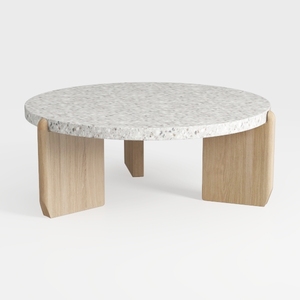
Minimalist Terrazzo Solid Oak Round Coffee Table 3D Model
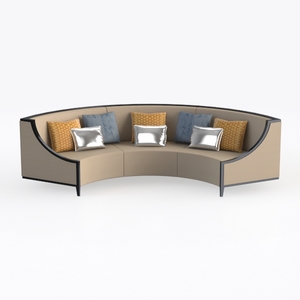
Modern Fabric Curved Sectional Sofa With Decorative Throw Pillows 3D Model
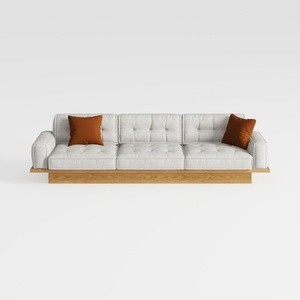
Modern Solid Wood Frame Tufted Fabric Three Seat Sofa 3D Model
Homestyler offers an easy-to-use online design tool with stunning 3D renderings, inspiring interior projects, and helpful DIY video tutorials—making it simple to create and visualize your perfect home space.
Design Now for FREE




