Plant-Integrated Interior Space Design
The 'Plant-Integrated Interior Space Design' theme transcends traditional decoration—it reimagines plants as dynamic, evolving design partners. Rather than static accents, plants become structural and sensory elements: climbing along shelving systems, softening architectural lines, filtering light through layered foliage, and even defining spatial zones via vertical gardens or living room dividers. This approach embraces biophilic principles to foster well-being, air quality, and visual harmony—turning walls, floors, furniture, and circulation paths into collaborative habitats where nature and human-made environments coexist organically.
Design Challenges & Common Pitfalls
Integrating live plants into interior spaces presents unique challenges beyond aesthetics. Key issues include inconsistent natural light distribution across rooms (especially in compact or window-limited layouts), mismatched plant species selection for indoor microclimates (humidity, temperature, airflow), structural limitations of load-bearing elements when installing vertical green walls or hanging planters, irrigation integration without compromising flooring integrity or electrical safety, and long-term maintenance visibility—where plant growth must be anticipated to avoid obstructing pathways, windows, or lighting fixtures. Without thoughtful indoor space planning and realistic growth modeling, even elegant concepts risk becoming impractical or unsustainable.
🌱 Prioritize Plant-Centric Spatial Zoning
Rather than adding plants to a finished layout, begin with plant needs as the foundation for zoning. Assign areas based on light intensity (e.g., south-facing zones for sun-loving species like fiddle leaf figs; north-facing corners for shade-tolerant ZZ plants), humidity tolerance (bathrooms or kitchens for ferns and calatheas), and maintenance access (avoid placing high-water plants above electronics or hardwood floors). Use plant groupings—not isolated specimens—to define functional zones: a lush vertical wall can separate dining from kitchen; trailing pothos on floating shelves can soften a home office boundary. This strategy ensures both botanical viability and intentional spatial hierarchy.

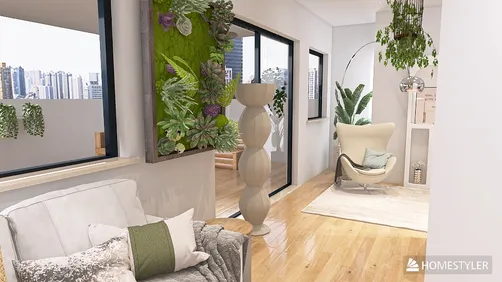
Zuzana Bila’s 'Plants' design exemplifies plant-centric zoning by transforming the bedroom’s entire accent wall into a curated tropical tableau—integrating monstera, bird-of-paradise, and hanging string-of-pearls in tiered planters aligned with built-in shelving. Using Homestyler’s real-time 3D rendering, she simulated sunlight angles throughout the day (via HDR 'g_city_park' environment) to verify leaf coverage and shadow patterns, ensuring no glare disrupted sleep zones. Her indoor space planning intentionally reserved the floor area near the bed for low-profile, drought-tolerant succulents—reducing irrigation risks while reinforcing the calm, grounded feel of the sleeping zone. This reflects advanced Homestyler design techniques: layering plant assets with precise height/depth metadata and testing spatial flow before physical implementation.
Start Free Design🌿 Embed Plants into Furniture & Architecture
Move beyond potted plants on surfaces—integrate flora directly into functional elements. Examples include hollowed-out console tables with internal reservoirs and concealed drip lines; modular shelving units with integrated planter rails and drainage channels; suspended ceiling-mounted planters that double as acoustic baffles; and kitchen islands with recessed herb gardens fed by automated capillary mats. Structural integration demands early coordination: verify weight loads (soil + water + mature plant = up to 3× dry weight), select rot-resistant materials (teak, marine-grade plywood, powder-coated steel), and ensure seamless waterproofing at junctions. This transforms furniture from passive objects into symbiotic growing companions—as emphasized in the contest brief.

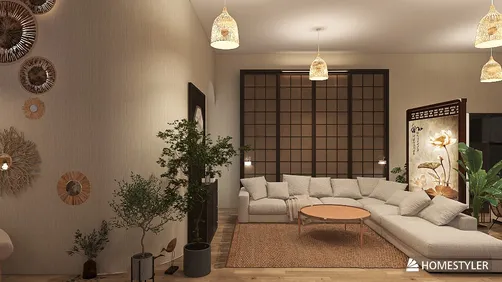
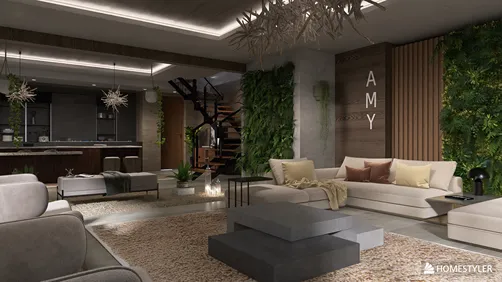
myHom Arquitetura’s 'Green space' leverages Homestyler’s parametric modeling to embed plants into architecture: a freestanding rattan screen doubles as a vertical planter grid, with staggered openings sized precisely for trailing philodendron cuttings. The designer used Homestyler’s material override tool to assign semi-transparent foliage textures to custom mesh layers—enabling accurate light diffusion simulation (HDR 'moonlit_golf' setting). Crucially, they anchored the screen’s base to a reinforced floor slab model—demonstrating how Homestyler design techniques support structural foresight. This integration turns a decorative partition into an active air-purifying, light-modulating, and acoustically softening element—embodying the contest’s vision of plants as 'growing companions that evolve alongside furniture'.
Create Your Green Room💧 Optimize Microclimate & Maintenance Workflow
Sustainable plant integration requires designing for longevity—not just initial beauty. Map thermal gradients (e.g., heat rises near ceilings, cold pools near windows), draft zones (HVAC vents, door gaps), and humidity pockets (bathrooms, laundry rooms). Cluster plants with similar care needs and automate where possible: use smart sensors linked to drip irrigation, install self-watering pots beneath display cabinets, or route discreet tubing behind baseboards. Visually integrate maintenance: conceal reservoirs inside furniture legs, design removable planter trays for easy pruning, and position grow lights within ceiling coves or recessed shelf edges. This workflow-aware planning prevents future neglect and supports daily livability.

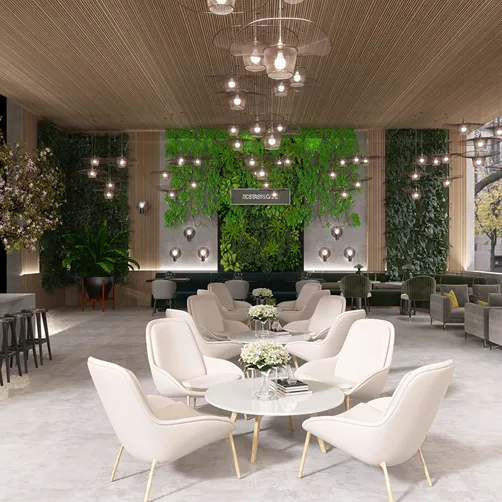
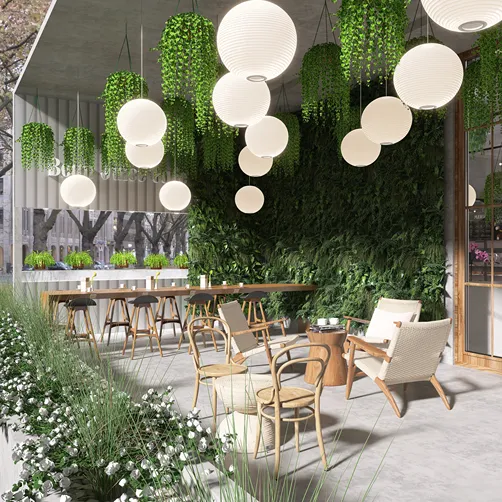
kinga0602’s 'Coffee Shop' demonstrates microclimate-aware integration: pistachio-accented banquettes feature built-in planter troughs lined with moisture-retentive coco fiber—ideal for humidity-loving calatheas. Using Homestyler’s environmental simulation ('g_ljz_day' HDR + sunlight slider), they verified that overhead pendant lights provided supplemental PAR (Photosynthetically Active Radiation) without overheating foliage—critical for café settings with limited natural light. The troughs’ removable stainless-steel inserts allow staff to replace soil or prune roots during off-hours—proving how Homestyler design techniques facilitate operational realism. This aligns perfectly with the contest’s call to 'turn every piece of furniture into a bridge that connects humanity with nature', merging hospitality function with botanical resilience.
Design Your Cozy SpaceFAQ
Q: How does the 'Plant Aesthetic Space for Web' contest redefine the role of plants in interior design?
Plants are no longer treated as decorative afterthoughts—they’re active, evolving collaborators. The contest champions designs where flora shapes spatial flow, enhances air quality and acoustics, integrates structurally with furniture and architecture, and responds dynamically to light and human interaction—making biophilia central to indoor space planning.
Q: What Homestyler design techniques are essential for realistic plant integration?
Key techniques include using HDR environments (e.g., 'g_city_park', 'g_ljz_day') to simulate seasonal light and shadow on foliage; assigning accurate plant asset dimensions and growth-stage variants; leveraging parametric shelving and planter modules for structural embedding; and running real-time walkthroughs to test sightlines, circulation, and maintenance access—all critical for professional-grade indoor space planning.
Q: Can small or low-light spaces qualify for plant-integrated design awards?
Absolutely. Top entries like Irina Romanova’s 'Vasil'yevskiy ostrov' (74.5 m² apartment) prove success lies in strategic species selection—not square footage. She used shade-tolerant snake plants and ZZs in north-facing zones, paired with reflective surfaces and light-colored finishes to amplify ambient brightness—showcasing how Homestyler design techniques enable data-driven, scalable biophilic solutions for any space.

Minimalist Solid Oak Wood Platform Bed 3D Model


Modern Minimalist Solid Wood Metal Platform Bed With Upholstered Headboard 3D Model
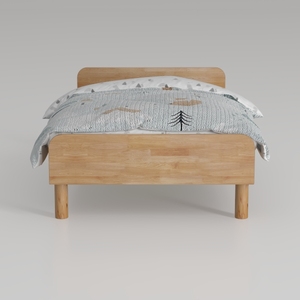
Minimalist Solid Oak Wood Kids Bed with Soft Bedding 3D Model
Homestyler offers an easy-to-use online design tool complete with stunning 3D renderings, inspiring interior projects, and helpful DIY video tutorials. It’s ideal for anyone wanting to create and visualize beautiful home designs effortlessly.
Progetta ora GRATIS