Imperfect Design Space
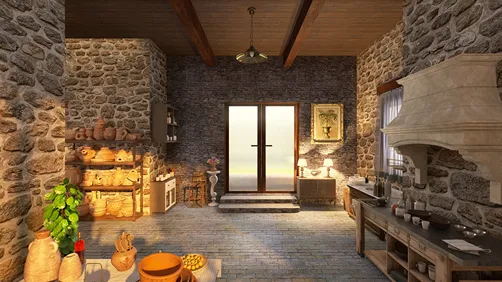
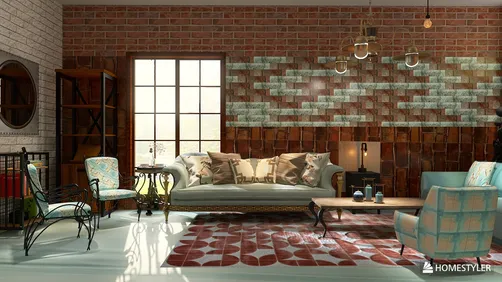
The 'Imperfect Design Space' is a conceptual interior design scenario that embraces raw, aged, and authentically flawed materials as intentional aesthetic elements—not as defects to be concealed, but as narrative anchors that convey history, texture, and emotional resonance. Rooted in the Homestyler 'Imperfect Design for Web' contest theme, this scene transcends conventional perfectionism by celebrating cracked brick walls, oxidized metal accents, chipped ceramics, weathered wood, and rusted ironwork. It applies across diverse spatial typologies—residential lofts, boutique hospitality zones, vintage-inspired kitchens, or atmospheric bar counters—but always prioritizes tactile honesty, material storytelling, and layered authenticity. Successful execution requires thoughtful indoor space planning that balances visual chaos with compositional harmony, leveraging Homestyler’s AI rendering tools to preview how light interacts with imperfect surfaces and how patina evolves across time and scale.
Design Challenges & Common Pitfalls
Designing an Imperfect Design Space presents unique challenges: (1) Avoiding visual clutter—too many distressed elements without hierarchy can overwhelm rather than intrigue; (2) Maintaining functional integrity—e.g., a cracked wall must be structurally sound and safe, not merely decorative; (3) Achieving tonal cohesion—oxidized copper, rusted steel, and chipped glaze must share a unified color temperature and aging logic; (4) Ensuring accessibility and usability—imperfection shouldn’t compromise ergonomics or universal design principles. Many designers mistakenly treat 'imperfection' as randomness, neglecting curated intentionality—a key distinction between amateur roughness and professional wabi-sabi mastery.
✅ Material Honesty First
Prioritize authenticity over simulation: use real reclaimed wood, genuine oxidized brass, or actual hand-chipped tile—not digital textures masquerading as age. Let material flaws inform layout decisions—for instance, orient seating to highlight a textured brick wall’s natural shadow play at golden hour. In Homestyler, leverage the 'HDR lighting presets' (e.g., 'ljz_day', 'g_sunny_vondelpark') to accurately preview how sunlight reveals grain, corrosion, and micro-cracks—critical for realistic indoor space planning.

Sandro Valeri’s 'open space1' demonstrates Material Honesty First through its deliberate juxtaposition of polished leather and visibly grainy reclaimed wood. Rather than hiding seams or inconsistencies, he frames them with strategic lighting—using Homestyler’s 'g_peoples_square_dawn' HDR preset to cast soft directional shadows that emphasize wood grain depth and joint irregularities. This reflects advanced Homestyler design techniques: assigning distinct material properties per surface, then validating realism via dynamic sun-angle simulation—essential for credible imperfect interior space planning.
Start Designing Now🎨 Intentional Asymmetry & Layering
Avoid symmetrical perfection. Instead, build rhythm through staggered layers: a rusted steel shelf mounted off-plumb above a hand-troweled plaster wall; mismatched ceramic tiles laid in a non-repeating herringbone; or a salvaged timber beam left unplaned and supported by uneven iron brackets. Use Homestyler’s 'Group & Align' tools with fractional offset values (e.g., +3.7mm vertical shift) to fine-tune asymmetry—ensuring it feels human-made, not algorithmic. This layering creates temporal depth: viewers subconsciously read each element’s age, origin, and repair history.

Вячеслав idl-interiordesign’s 'Станція для офіціантів' (Server Station) masterfully employs Intentional Asymmetry & Layering: the bar counter features a live-edge walnut slab resting on three irregularly spaced, hand-forged iron legs—none perfectly vertical. Using Homestyler’s precise rotation and position controls (visible in the 'c_ljz_day' render), he calibrated each leg’s tilt to create subtle tension, while the shelving above uses staggered depths and mixed-metal brackets. This exemplifies sophisticated Homestyler design techniques—leveraging parametric placement to simulate artisanal imperfection, enabling confident indoor space planning for complex hospitality environments.
Create Your Rustic Space🌿 Contextual Patina Integration
Patina must respond to context—not applied uniformly. A kitchen backsplash may show salt-corroded copper near the sink, while the same metal above the stove develops heat-tempered blues and purples. Near windows, oxidation accelerates; in dry zones, wood cracks deepen. In Homestyler, use the 'Material Variation' slider within the texture editor to randomize wear intensity across surfaces—and assign different aging maps per zone (e.g., 'moisture exposure' vs. 'sun exposure'). This ensures your imperfect design reads as environmentally responsive, not arbitrarily distressed.

Irina Romanova’s 'Teenager's room Надежда' applies Contextual Patina Integration with remarkable nuance: the exposed brick wall displays varied mortar erosion—denser near the floor (simulating decades of cleaning friction) and softer, bloom-like efflorescence near ceiling vents. She achieved this in Homestyler by applying two custom grunge masks—one for base wear, one for humidity-driven mineral deposits—then adjusting opacity per wall section. Her workflow highlights essential Homestyler design techniques: using layered material overrides to simulate environmental storytelling, making indoor space planning both artistic and technically grounded.
Design Your Unique BarFAQ
Q: How does the 'Imperfect Design' contest define 'imperfection'—is it only about visible damage?
Imperfection encompasses intentional material honesty: oxidation, weathering, hand-applied textures, structural reveals (like visible joists), and repurposed elements—not just cracks or chips. It’s about authenticity of process and history.
Q: Can I use Homestyler’s AI tools to generate imperfect textures automatically?
Yes— Homestyler’s 'Material Editor' includes 'Aged Metal', 'Distressed Wood', and 'Weathered Plaster' presets. For deeper control, upload custom scanned textures and apply noise, bump, and AO maps to simulate real-world degradation.
Q: Do imperfect materials compromise structural safety or building code compliance in real projects?
No—imperfection is aesthetic, not engineering. All structural components must meet local codes. In Homestyler, use the 'Structural Integrity Check' plugin (available in Pro mode) to verify load-bearing feasibility before finalizing indoor space planning.
Q: Are there Homestyler design tips for beginners starting with imperfect aesthetics?
Start small: introduce one imperfect hero element (e.g., a rusted steel planter or cracked-glaze tile accent) and let surrounding surfaces stay neutral. Use Homestyler’s 'Style Match' tool to auto-generate complementary furniture with matching warmth and texture—building confidence in cohesive imperfect interior space planning.

Minimalist Japandi Rattan Solid Wood Arched Wardrobe 3D Model
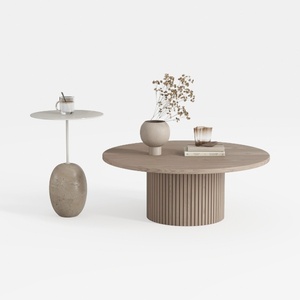

Minimalist Solid Wood Round Coffee Table and Stone Side Table Set 3D Model

Homestyler is an easy-to-use online home design platform offering powerful 3D rendering tools, inspiring design projects, and helpful DIY video tutorials. Perfect for bringing your interior ideas to life with stunning visuals and step-by-step guidance.
立即免费设计