University Learning Space Design
University learning spaces—encompassing libraries, study lounges, collaborative zones, and academic offices—are more than functional rooms; they are dynamic environments where knowledge is absorbed, ideas are exchanged, and intellectual identity is formed. These spaces must balance quiet concentration with social interaction, support diverse learning styles (individual, group, digital, tactile), and reflect institutional values through thoughtful interior space planning, materiality, lighting, and cultural expression. As seen in the top-winning entries of the 'Ideal University Building for App' competition, leading designs prioritize human-centered ergonomics, biophilic elements (e.g., greenery, natural light), flexible furniture systems, and seamless integration of technology—all while maintaining aesthetic coherence and spatial clarity.
Design Challenges & Common Pitfalls
Common challenges include conflicting acoustical needs (silence vs. collaboration), inefficient circulation that disrupts flow between zones, over-reliance on fixed furniture limiting adaptability, poor daylight distribution causing glare or underlit work areas, and insufficient power/data access for modern devices. Many early-stage university designs also underestimate the importance of psychological comfort—such as visual connection to nature, personalization opportunities, and inclusive scale—leading to sterile or intimidating environments that hinder engagement and retention.
Human-Centered Spatial Flow 🌟
Prioritize intuitive movement and clear zoning: define distinct but visually connected areas for focused work, small-group discussion, and informal gathering—without physical barriers that isolate users. Use furniture arrangement, floor materials, ceiling treatments, or subtle level changes to signal transitions. Homestyler AI design tools enable rapid iteration of circulation paths and real-time visibility analysis, helping designers validate sightlines and avoid dead zones before construction.

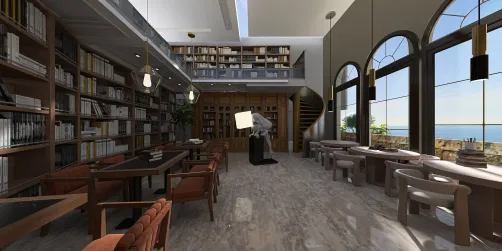
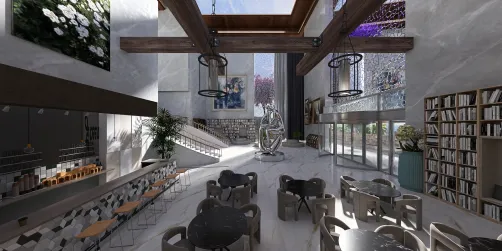
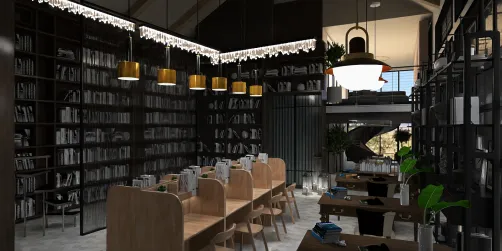
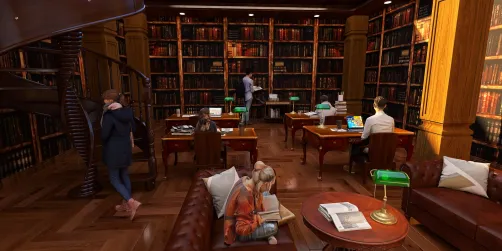
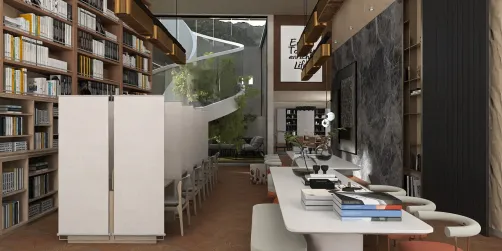
Beth M’s 'University Library 📚📘📒📖✨' exemplifies human-centered spatial flow: she uses staggered bookshelves and low-profile lounge seating to create semi-private nooks without blocking sightlines, while aligning reading desks parallel to large windows to ensure even daylight access. Leveraging Homestyler AI design tools, she simulated foot traffic density and adjusted doorway placements to eliminate bottlenecks—demonstrating how intelligent interior space planning transforms static layouts into responsive, livable environments.
Design Your Library NowBiophilic Integration & Daylight Optimization 🌿
Integrate nature-based elements—not just potted plants, but living walls, wood textures, organic shapes, and views to outdoor greenery—to reduce stress and improve cognitive performance. Maximize daylight via strategic window placement, light shelves, and reflective surfaces, while using adjustable blinds or fritted glass to control glare. Homestyler’s real-time lighting simulation allows designers to test sun-path impact across seasons and refine glazing strategies before finalizing plans.

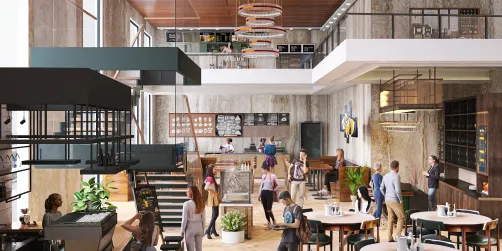
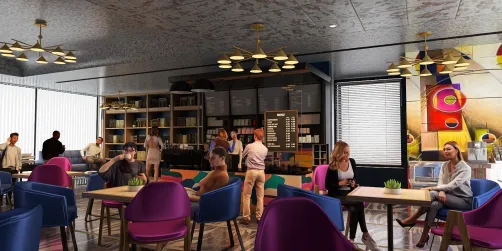
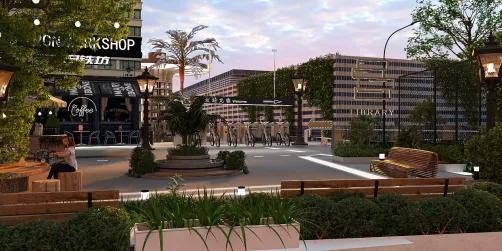
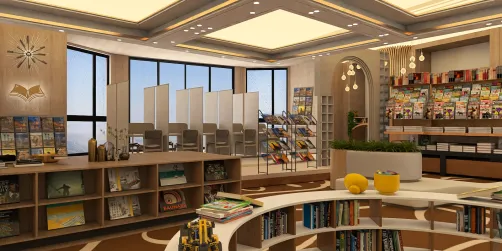
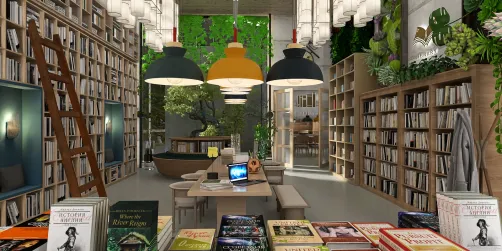
Arwen Arianus’s 'College Coffee Shop and Bookstore' masterfully blends biophilic integration with daylight optimization: floor-to-ceiling glazing floods the space with natural light, while suspended planters and timber-clad columns reinforce organic warmth. Using Homestyler AI design tools, she tested multiple skylight configurations and selected one that minimized midday glare while preserving consistent illumination over café tables and reading counters—showcasing how evidence-informed interior space planning supports both wellness and usability.
Start Designing Cafe SpaceAdaptable Furniture & Tech-Ready Infrastructure 🔌
Equip learning spaces with modular, reconfigurable furniture—height-adjustable desks, mobile whiteboards, stackable chairs, and plug-and-play power hubs—that supports evolving pedagogies and spontaneous collaboration. Embed infrastructure discreetly: under-desk USB-C ports, wireless charging pads, ceiling-mounted projectors, and acoustic-rated AV enclosures ensure tech enhances rather than dominates the environment. Homestyler’s object library and smart placement features simplify prototyping of tech-integrated layouts at scale.

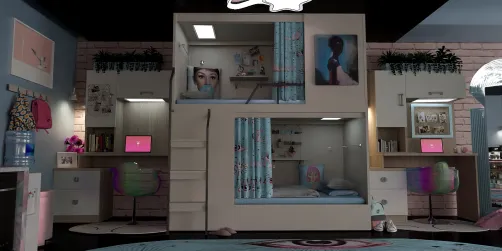
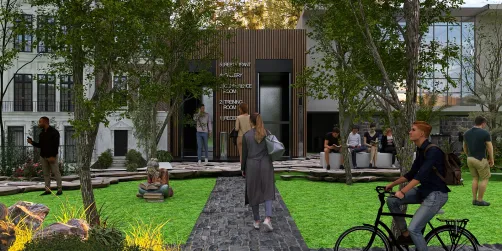
Jenny Resurreccion’s 'University Office.' applies adaptable furniture and tech-ready infrastructure with precision: she deploys dual-height sit-stand desks alongside wall-mounted fold-down workstations for impromptu meetings, all wired to recessed floor boxes hidden beneath area rugs. Using Homestyler AI design tools, she validated cable routing paths and verified that every workstation had ≥2 accessible power outlets and line-of-sight to ceiling-mounted microphones—proving how rigorous Homestyler design techniques elevate both functionality and future-proofing in academic interiors.
Create Your Office SpaceFAQ
Q: How can I use Homestyler AI to simulate daylight performance in a university library layout?
Homestyler’s lighting analysis tool lets you set geographic location, date, and time to visualize real-time sun angles and shadow patterns. Upload your floor plan, assign glazing types, and run simulations to identify underlit zones or glare hotspots—then adjust window size, orientation, or shading devices iteratively.
Q: What’s the best way to zone a multi-functional university learning space without walls?
Use layered cues: varied ceiling heights, contrasting flooring materials (e.g., carpet for quiet zones, polished concrete for collaborative areas), strategic furniture grouping, and acoustic baffles. Homestyler AI design tools offer pre-built zoning templates and material-matching suggestions to accelerate this process.
Q: Can Homestyler help me meet accessibility standards for university interiors?
Yes— Homestyler includes ADA-compliant furniture filters, automatic pathfinding checks for minimum clear widths (≥36”), and visual contrast analyzers for signage and finishes. You can also generate annotated compliance reports directly from your design.
Q: How do top university design winners approach indoor air quality and sustainability?
Winning entries like 'A Haven of Knowledge' (Kelly Rodriguez) and 'Dean’s Office.' (Jenny Resurreccion) prioritize low-VOC materials, operable windows for natural ventilation, and FSC-certified wood. Homestyler’s sustainability tag filter helps identify eco-friendly products, while its energy-use estimator models HVAC load reduction from passive design strategies.
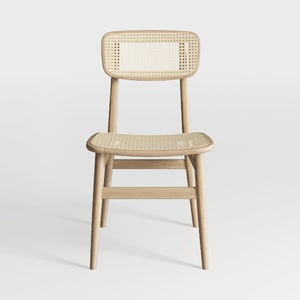
Minimalist Solid Wood Rattan Dining Chair 3D Model

Safavieh Home Soleil Natural and White Leather Wov

Modern Solid Wood Frame Leather Armchair 3D Model
Homestyler is an easy-to-use online home design platform featuring powerful 3D rendering, a vast collection of interior design projects, and helpful DIY video tutorials. It’s perfect for bringing your creative ideas to life and transforming your space with confidence.
تصميم الآن مجانا