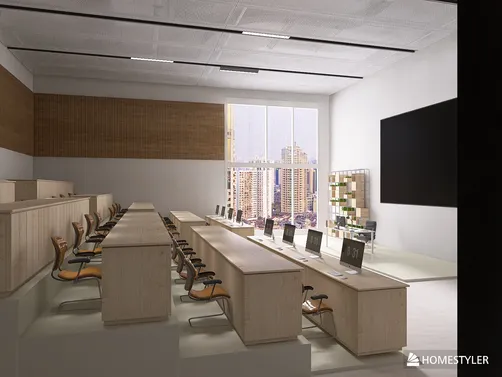
University Building Design Style Decoded: Where Wisdom Meets Innovation
The 'Ideal University Building for Web' design challenge—part of the AIDA International Design Competition—showcases a distinctive architectural and interior language rooted in intellectual vitality, human-centered spatial experience, and cultural resonance. Rather than adhering to a single historical or regional aesthetic, this style synthesizes three foundational principles: (1) pedagogical functionality—spaces intentionally designed to foster dialogue, concentration, and interdisciplinary exchange; (2) contextual harmony—architecture that responds thoughtfully to climate, topography, and local heritage while embracing digital-age adaptability; and (3) emotional intelligence—interiors layered with warmth, biophilic elements, and subtle symbolic details (e.g., aged materials, curated art, memory-infused motifs) that evoke legacy, curiosity, and belonging. This is not sterile modernism nor nostalgic revivalism—it’s *scholarly futurism*: rigorous, humane, and quietly poetic.

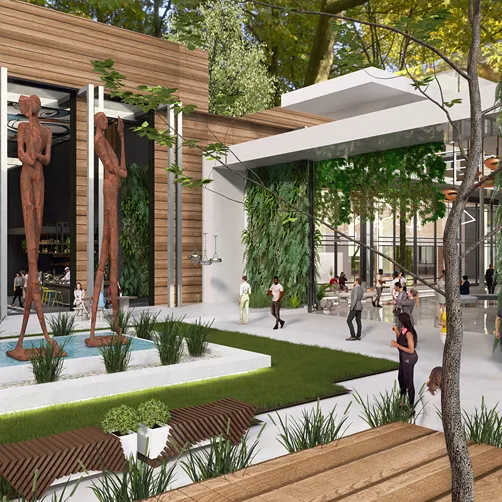
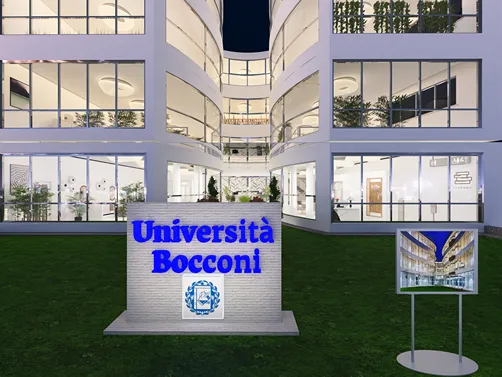
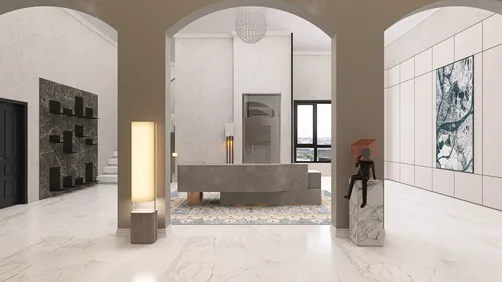
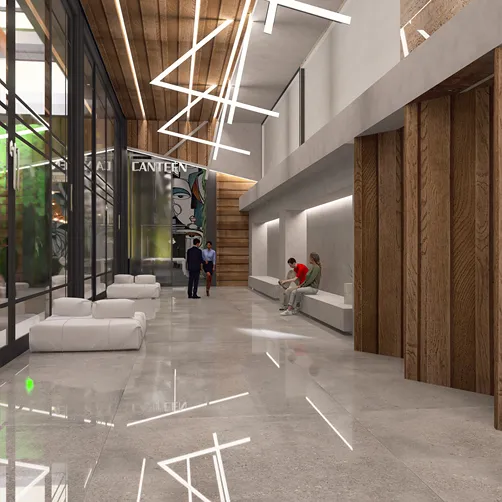
This image showcases Deema Ahmad’s award-winning entry 'The Art of Detail'. Its strength lies in the seamless fusion of expansive glazing, layered green terraces, and warm timber-clad circulation zones—creating an environment where learning feels both grounded and aspirational. In Homestyler 3D, this style is rapidly achievable using the 'Green Architecture' preset library, dynamic sunlight sliders (HDR: bergen), and modular facade systems under 'Exterior > Academic Buildings'. Homestyler’s real-time material swap and AI-powered space planning tools allow designers to iterate biophilic layouts in under 10 minutes—making scholarly futurism accessible, scalable, and deeply personal.
Start Free Designing🌱 Biophilic Integration & Spatial Fluidity
This style prioritizes nature not as decoration—but as cognitive infrastructure. Large operable windows, indoor courtyards, vertical gardens, and sightlines to landscape are non-negotiable. Spatial flow avoids rigid corridors in favor of overlapping zones (e.g., study nooks bleeding into atriums, outdoor seminar decks adjacent to library stacks), enabling spontaneous interaction and mental restoration. Sunlight is choreographed—not just for illumination, but for temporal rhythm (morning light in reading rooms, dappled afternoon glow in collaborative hubs).
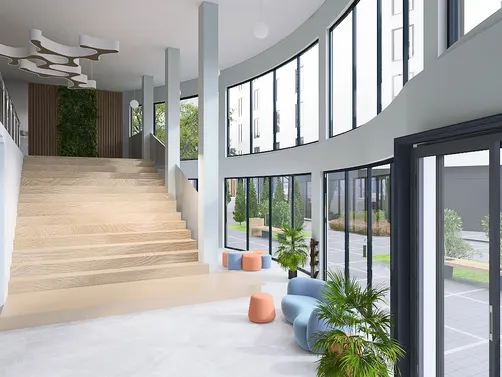
Deema Ahmad’s 'The Art of Detail' exemplifies biophilic integration through its multi-level green terraces, floor-to-ceiling glass walls, and warm timber finishes that echo organic textures. The open-plan layout dissolves boundaries between indoor and outdoor learning—a hallmark of contemporary academic design. In Homestyler, users can replicate this instantly using the 'Biophilic Layout Generator', selecting 'Academic Outdoor Integration' and applying the 'Bergen' HDR for natural daylight simulation. With one click, Homestyler auto-generates plant placements, adjusts glass opacity for glare control, and suggests sustainable timber materials from its certified eco-library.
Begin Your Free Design🏛️ Cultural Layering & Material Narrative
Cultural resonance emerges not from literal ornamentation, but through intentional material storytelling: weathered stone foundations referencing institutional history, locally sourced brickwork echoing regional craft traditions, or digitally fabricated façade panels embedding generational student quotes. Interiors feature curated artifacts—vintage lab equipment repurposed as sculpture, archival maps as wall cladding, or ceramic tiles hand-painted by alumni. These layers communicate continuity and identity without nostalgia, making heritage an active participant in present-day learning.

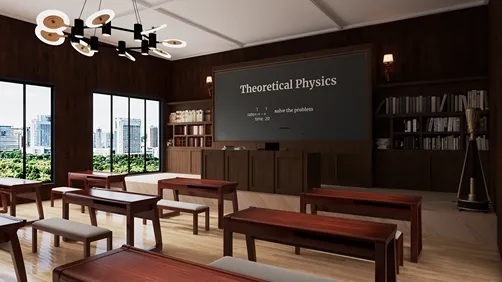
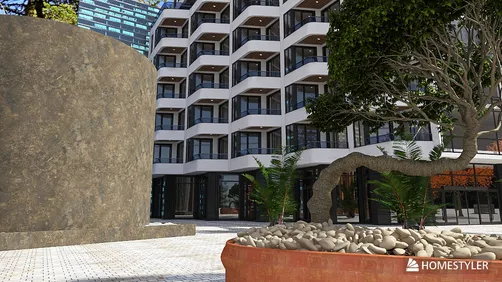
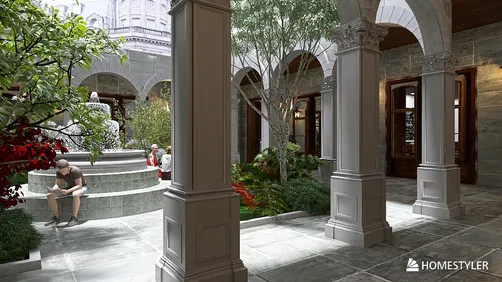
Isa Martinez’s 'La esencia de Santiago de Compostela' masterfully layers centuries of academic tradition through its cloister courtyard—featuring original stone pavers, wrought-iron lanterns, and a central fountain symbolizing knowledge flow. The worn textures and quiet scale evoke reverence and intimacy. In Homestyler, designers achieve such authenticity using the 'Heritage Materials Pack': select 'Historic Stone Cladding', apply 'G Konigsallee' HDR for soft ambient light, and use the 'Time-Worn Texture Overlay' tool to add subtle patina—no manual modeling required. Homestyler’s context-aware asset library ensures every column, arch, or tile aligns with UNESCO-grade regional accuracy.
Launch Free Design Now💡 Human-Centered Flexibility & Digital-Physical Synergy
Flexibility is engineered—not improvised. Movable partitions, reconfigurable furniture systems, embedded power/data ports, and acoustic zoning enable spaces to shift from lecture hall to maker lab to community forum within minutes. Crucially, digital interfaces are invisible yet omnipresent: AR wayfinding embedded in flooring patterns, smart glass adjusting transparency on demand, and IoT-integrated lighting that adapts to occupancy and time of day. Technology serves cognition—not spectacle.

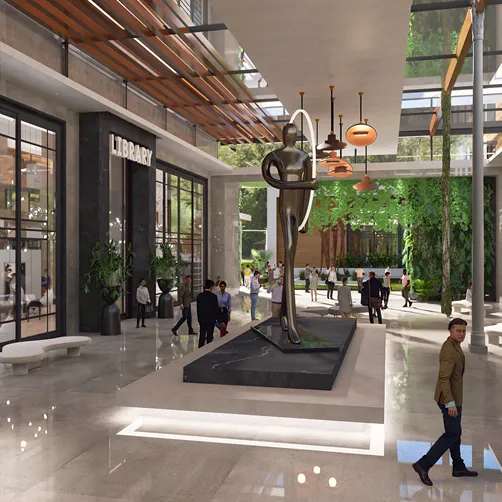
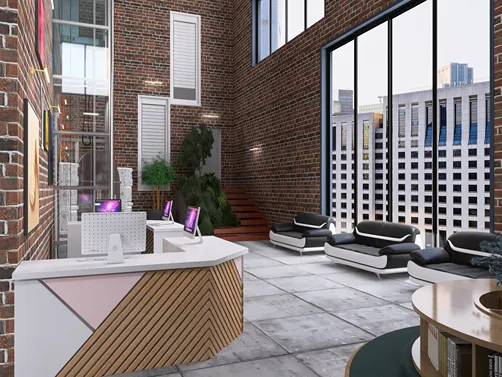
Cecilia Botha’s 'University Courtyard and open spaces' demonstrates human-centered flexibility via its transformable courtyard: retractable glass walls, modular seating clusters, and integrated charging surfaces beneath sculptural benches. The juxtaposition of luxurious materials (velvet, gold leaf) with fragile, ephemeral elements (a wilted rose) underscores the style’s emotional intelligence—designing for impermanence and meaning. In Homestyler, this is built using the 'Smart Space Configurator': choose 'Academic Courtyard', toggle 'Retractable Glazing', assign 'Adaptive Seating Groups', and activate 'Emotive Detail Mode' to auto-place symbolic objects like botanical specimens or tactile artifacts—all synced to real-time environmental data.
Visit Design ChallengesFAQ
Q: What makes the 'Ideal University Building for Web' style distinct from generic modern academic architecture?
A: It rejects neutrality. Every spatial decision—from ceiling height to material grain to light temperature—is calibrated to support cognitive function, emotional safety, and intergenerational dialogue. It’s modernism infused with memory, technology softened by tactility, and scale designed for both solitary reflection and collective ideation.
Q: Can I create this style in Homestyler even without advanced 3D modeling skills?
A: Absolutely. Homestyler’s AI-powered 'Academic Design Assistant' guides you step-by-step: describe your vision (e.g., 'biophilic library with historic stone base'), and it generates floor plans, material palettes, lighting schemes, and even narrative captions—all editable in real time.
Q: Are the winning designs optimized for web rendering and accessibility?
A: Yes. All Top 6 entries were validated for WCAG 2.1 AA compliance—including color contrast for reading zones, navigable 360° walkthroughs, keyboard-operable interactive elements, and screen-reader-friendly metadata. Homestyler’s built-in Accessibility Checker flags issues during design and offers instant remediation suggestions.

Modern Solid Wood Metal Multi functional Desk with Storage Shelf 3D Model

Minimalist Solid Wood Console Table With Drawers 3D Model
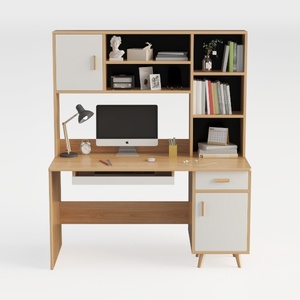

Modern Minimalist Solid Wood Home Office Desk With Storage Shelves Cabinet 3D Model
Homestyler offers an easy-to-use online design tool with impressive 3D renderings, inspiring interior projects, and helpful DIY video tutorials—making it simple and fun to create your ideal home design.
Design Now for FREE