


Winter Camping Shelter Design
The 'Winter Camping Shelter Design' scene reimagines temporary or semi-permanent outdoor living spaces—not as utilitarian gear setups, but as emotionally resonant, architecturally intentional indoor-outdoor hybrid environments. Rooted in the 'Camping in Cozy Winter' challenge, this scenario transcends seasonal recreation to explore how warmth, material tactility, spatial intimacy, and connection to nature converge within compact, insulated, and atmospherically rich shelters—be they glamping pods, converted cabins, backyard yurts, or modular winter tents. It emphasizes indoor space planning that prioritizes thermal comfort, layered lighting, biophilic integration, and multi-sensory coziness—all while maintaining structural responsiveness to snow, wind, and low-light conditions.
Design Challenges & Common Pitfalls
Designing winter camping shelters presents unique spatial contradictions: achieving insulation and air-tightness without sacrificing visual lightness or natural ventilation; balancing compact footprints with psychological spaciousness; integrating heating sources safely while preserving aesthetic harmony; and selecting materials that perform thermally *and* evoke warmth emotionally (e.g., avoiding cold-looking metals unless softened by wood or textiles). A frequent oversight is neglecting circadian rhythm support—failing to design for low-angle winter daylight, artificial warmth-toned lighting, and glare-free evening ambiance—leading to spaces that feel clinical or isolating rather than restorative.
✅ Prioritize Thermal Layering & Material Warmth
Thermal layering goes beyond insulation—it’s a design language. Combine structural insulation (e.g., double-glazed skylights), radiant surface warmth (heated floors or wall panels), and tactile softness (wool rugs, shearling throws, timber cladding) to create cumulative comfort. Avoid monolithic cold surfaces; instead, use material juxtaposition—rough-hewn beams against smooth plaster, matte ceramics beside brushed brass—to enrich sensory perception and signal coziness at first glance.

Marianne Gruber’s design exemplifies thermal layering through Homestyler AI design tools: she uses warm-toned timber flooring and ceiling beams paired with plush upholstery and abundant indoor greenery—elements easily placed and iterated via Homestyler’s drag-and-drop material library and real-time lighting simulation. Her indoor-outdoor continuity (via large glazed doors opening to a sheltered courtyard) demonstrates intelligent indoor space planning that blurs seasonal boundaries while retaining thermal integrity.
Start Free Design Now💡 Maximize Low-Angle Light & Adaptive Ambiance
Winter sun sits low—leverage it intentionally. Orient primary living zones toward southern exposures (in the Northern Hemisphere) and use clerestory windows, light shelves, or reflective interior surfaces (e.g., pale wood ceilings, matte white walls) to bounce light deep into compact volumes. Supplement with layered artificial lighting: ambient (warm-white ceiling fixtures), task (adjustable reading lamps), and accent (LED strip under shelving or behind headboards) — all tunable in Homestyler’s lighting editor to simulate Kelvin temperature and intensity across day phases.

Lizzy Evans’ 'Snow winter camping' scene applies Homestyler design techniques to master low-angle light: her south-facing glass wall floods the interior with diffused winter daylight, while recessed warm-white LEDs embedded in ceiling beams provide gentle evening fill. Using Homestyler’s time-of-day slider, she validated light distribution across morning, noon, and dusk—showcasing how precise indoor space planning supports circadian wellness even in remote shelters.
Begin Your Cozy Design🌱 Integrate Nature Without Compromising Shelter
Biophilic integration must be functional, not decorative. Use live-edge wood elements, preserved moss walls, or hydroponic herb planters built into kitchen counters—not just potted plants on side tables. Frame views deliberately: position seating to capture snow-draped branches or frost patterns on glass. For enclosed shelters, install operable roof vents or insect-screened gable windows to allow fresh-air exchange while blocking snow ingress—turning nature from backdrop into active participant in thermal and emotional regulation.

Оля Литвиненко’s design leverages Homestyler AI design tools to embed nature functionally: large window frames are precisely angled to highlight seasonal tree silhouettes, while integrated planter boxes along the interior sill host evergreen herbs—visible from both inside and out. Her use of Homestyler’s ‘Material Match’ tool ensured timber tones harmonized with exterior bark textures, reinforcing continuity between shelter and landscape—an essential strategy in holistic indoor space planning.
Launch Free Design ToolFAQ
Q: Can Homestyler AI generate realistic winter-specific lighting simulations for shelter interiors?
Yes— Homestyler’s advanced lighting engine models sun angle, cloud cover, and seasonal daylight hours. Users can set location, date, and time to preview how light falls across surfaces at 9am or 3pm in December, enabling data-informed decisions for window placement and fixture selection.
Q: How do top contest winners optimize small-footprint shelters without feeling cramped?
They use vertical layering (lofted sleeping zones, wall-mounted fold-down desks), multi-functional furniture (ottomans with storage, dining tables that convert to workspaces), and strategic mirror placement—all simulated and tested in Homestyler before build. This reflects expert indoor space planning where every cubic meter serves dual purpose.
Q: What Homestyler design技巧 help ensure thermal realism in renders?
Applying ‘Insulation Material Tags’ (e.g., ‘High-R, Wood-Framed Wall’) in the property panel triggers accurate thermal reflectivity in lighting and material previews. Combined with ‘Climate Mode’ toggles (‘Cold/Dry’, ‘Snowy’), these settings enhance visual authenticity and support early-stage energy-aware design decisions.
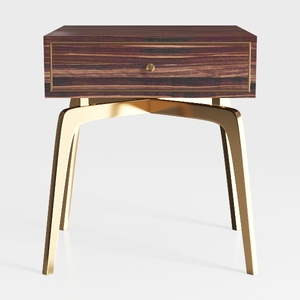

Modern Walnut Brass Nightstand Single Drawer Storage 3D Model

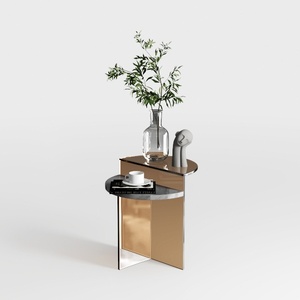
Minimalist Solid Pine Wood Side Table Small Accent End Table 3D Model
Homestyler offers an easy-to-use online design tool with stunning 3D renderings, inspiring interior projects, and helpful DIY video tutorials. It’s perfect for anyone looking to create and visualize beautiful home designs effortlessly.
Design Now for FREE





