Happy Kitchen Design
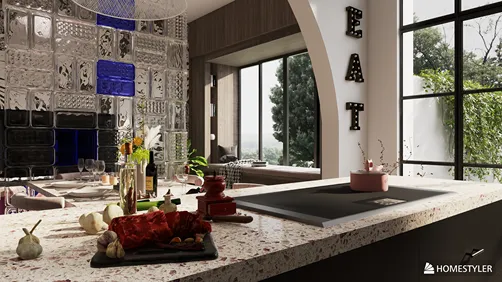
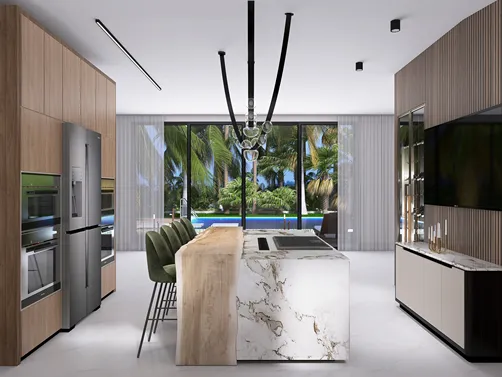
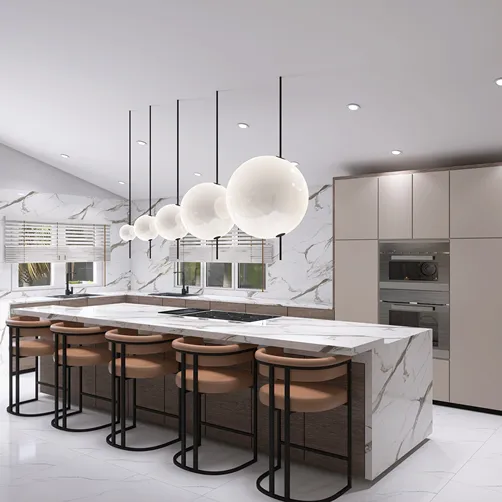
The 'Happy Kitchen' design theme transcends traditional functional kitchen planning—it reimagines the kitchen as a joyful, social, and emotionally resonant heart of the home. Rooted in the AIDA design competition’s vision, this scene emphasizes human-centered spatial storytelling: where cooking becomes collaborative ritual, dining transforms into meaningful connection, and everyday moments—like sharing coffee or preparing meals together—are elevated through intentional indoor space planning. It integrates sensory comfort (natural light, tactile materials), flexible layouts for multi-generational or guest-oriented use, and aesthetic harmony that evokes warmth, calm, and culinary inspiration—all while leveraging Homestyler design techniques for real-time 3D visualization and AI-assisted iteration.
Design Challenges
Common challenges in Happy Kitchen design include balancing openness with acoustic privacy (e.g., minimizing noise transfer during lively gatherings), accommodating diverse user needs (children, elderly, or mobility-limited individuals) without compromising aesthetics, and integrating high-performance appliances seamlessly into warm, uncluttered environments. Many designers also struggle with achieving visual continuity between kitchen, dining, and living zones—especially in compact footprints—while maintaining clear circulation paths and ergonomic work triangles. Additionally, translating abstract emotional goals (e.g., 'happiness', 'togetherness') into tangible spatial decisions remains a nuanced challenge requiring empathetic interior space planning and iterative Homestyler design techniques.
✅ Prioritize Human-Centered Flow & Social Interaction
Design the kitchen not as an isolated utility zone but as a dynamic social hub. Use open-plan configurations, island seating with bar-height stools, and sightlines connecting cooking, dining, and lounge areas to encourage spontaneous interaction. Integrate built-in banquettes or movable carts to support flexible gathering modes—from solo morning routines to weekend dinner parties. Ensure clear, minimum 120 cm-wide circulation paths around islands and appliances to accommodate multiple users comfortably.

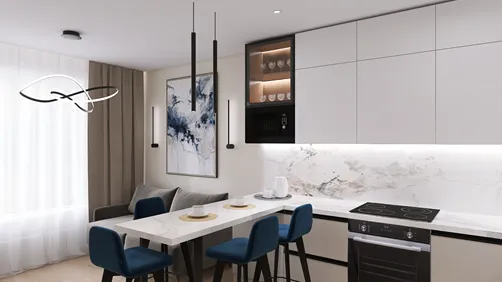
Designer Beth M’s 'Small Apartment Kitchen' masterfully applies this principle: she uses a compact L-shaped layout with a fold-down breakfast bar—creating dual functionality (cooking prep + casual dining) without sacrificing floor space. Her strategic placement of open shelving and recessed lighting fosters visual connection across zones, while Homestyler’s real-time 3D rendering allowed precise simulation of sightlines and movement flow before finalizing the plan—an essential Homestyler design technique for validating social usability in tight interiors.
Start Free Design🌿 Integrate Nature, Light & Warm Textures
Natural light, biophilic elements, and layered materiality are critical to evoking happiness and calm. Maximize window access and use reflective surfaces (glossy cabinetry, light countertops) to amplify daylight penetration. Incorporate wood accents, stone backsplashes, potted herbs, or fruit bowls to add organic warmth and sensory richness. Avoid cold monochromes; instead, opt for tonal palettes—e.g., warm greys with oak grain or soft whites paired with terracotta tiles—to enhance psychological comfort and support long-term emotional resonance.

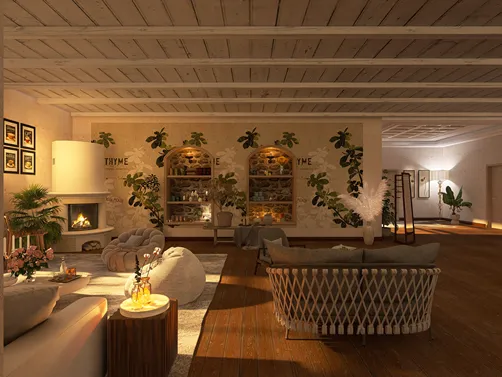
Daniela Mantino’s 'Appartamento Accogliente' embodies this principle by blending warm wood flooring, linen-textured upholstery, and abundant greenery near large windows—creating a sun-drenched, inviting atmosphere. She used Homestyler’s HDR environment presets (e.g., 'g_north_euro_city') to simulate seasonal daylight quality and adjusted material reflectivity in real time, demonstrating how Homestyler design techniques enable evidence-based decisions about light distribution and texture interplay in interior space planning.
Begin Free Design✨ Embed Multifunctionality Without Visual Clutter
A Happy Kitchen must adapt seamlessly to changing needs—cooking, cleaning, socializing, learning, or relaxing—without appearing overcrowded. Achieve this through concealed storage (pull-out pantries, appliance garages), convertible furniture (extendable islands, nesting tables), and zoned lighting (task under-cabinet LEDs + ambient pendant clusters). Prioritize intuitive organization systems (e.g., ‘kitchen triangle’ optimized for left/right-handed users) and integrate tech thoughtfully—wireless charging stations, voice-controlled lighting—so functionality enhances rather than interrupts joy.

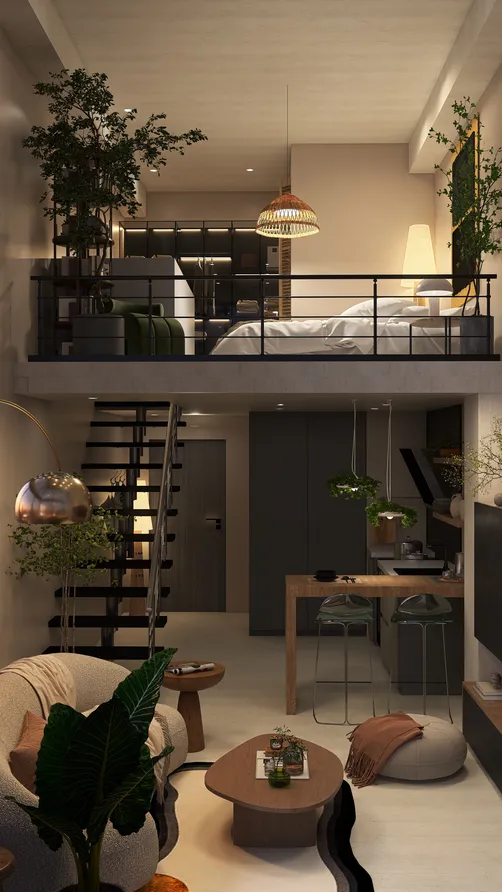
Elena Ponomareva’s 'Contemporary & Kitchen' demonstrates intelligent multifunctionality: her central island houses induction cooktops, a hidden dishwasher drawer, and integrated USB ports—yet maintains clean lines via flush-mounted handles and consistent material finishes. Using Homestyler’s AR virtual furniture placement feature, she tested over 12 cabinet configurations in real time, validating ergonomics and visual weight balance—showcasing how advanced Homestyler design techniques streamline complex interior space planning while preserving aesthetic serenity.
Launch Free DesignFAQ
Q: What does 'Happy Kitchen' mean in interior design terms—and how is it different from a standard kitchen renovation?
It means designing beyond utility to prioritize emotional well-being, social engagement, and sensory delight. Unlike conventional renovations focused on storage or appliance upgrades, a Happy Kitchen intentionally supports collaboration (e.g., dual-cook islands), celebrates food culture (display shelves for ceramics, herb gardens), and uses light, texture, and layout to evoke calm and joy—core goals of modern interior space planning.
Q: Can I participate in the AIDA 'Contemporary Happy Kitchen for Web' challenge using only Homestyler’s free tools?
Yes—the contest allows up to 4 tool uses per design, and Homestyler’s free tier fully supports AI-powered rendering, real-time 3D walkthroughs, and model library access (including Contemporary Happy Kitchen assets). No premium subscription is required to enter or win Top 1–6 awards.
Q: How do top winners like Arda Studio or Lena Vranac use Homestyler design techniques to stand out?
They leverage Homestyler’s environmental HDR presets (e.g., 'd_euro_garden' for garden-view kitchens) and sunlight sliders to fine-tune mood and realism; use AI-generated material suggestions to harmonize textures; and iterate rapidly using version history—proving that compelling Happy Kitchen designs rely less on budget and more on strategic Homestyler design techniques and empathetic interior space planning.
Homestyler offers an easy-to-use online design tool, amazing 3D renderings, and a vast collection of interior design projects. Plus, its DIY video tutorials make creating your perfect home style simple and fun for everyone. Give your home a fresh look with Homestyler!
Design Now for FREE