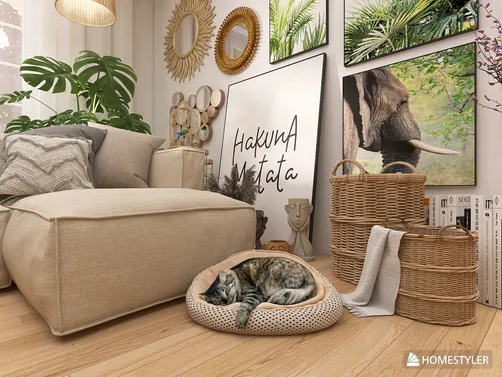
Pet-Friendly Living Space Design
The 'Pet-Friendly Living Space' is a holistic interior design scenario that integrates human comfort and pet well-being without compromise. It transcends isolated pet zones or sacrificial aesthetics — instead, it reimagines furniture as a stage for mutual interaction ('two-way embrace'), where scratch-resistant surfaces coexist with tactile grass flooring, where cat perches double as sculptural shelving, and where dog dens harmonize with lounge seating. This scene emphasizes spatial equity: every square meter serves both species through intelligent material selection, layered zoning, and behavioral-aware layout planning — all grounded in real-world indoor space planning principles.
Design Challenges & Common Pitfalls
Balancing aesthetics with durability is the foremost challenge: pet-safe materials (e.g., crypton fabric, matte-finish laminates) often lack visual warmth, while stylish finishes (velvet, light wood) show wear instantly. Spatial conflict arises when pet needs — like vertical territory for cats or open-floor movement for dogs — compete with human functional zones (e.g., dining areas, home offices). Behavioral misalignment is another critical issue: placing a cat tree near fragile decor invites destruction; locating a dog bed beside HVAC vents risks overheating or dust inhalation. These challenges demand proactive indoor space planning — not reactive fixes.
🐾 Prioritize Multi-Functional Zoning
Divide the space into overlapping yet distinct activity zones — not rigid 'human-only' or 'pet-only' rooms, but fluid territories where functions interweave. For example, a living room may include a sunlit window perch integrated into built-in shelving (for cats), a low-profile, washable ottoman doubling as a dog rest platform, and a recessed floor niche with artificial turf for scratching or play — all within the same visual flow. This approach supports natural pet behavior while preserving human-centric layout logic and enhances overall indoor space planning efficiency.

ROBERTA GIULIETTI’s 'Boris' demonstrates multi-functional zoning by embedding a raised, cushioned pet ledge beneath a large window — seamlessly integrated into the bedroom’s built-in headboard unit. Using Homestyler Design Tools, she simulated natural light angles (via HDR 'g_euro_garden') to ensure optimal warmth for both human rest and feline napping. The ledge’s height aligns with ergonomic sitting level for humans while offering elevated vantage for cats — a true embodiment of two-way spatial intelligence in indoor space planning.
Start Free Design Now🌿 Select Biophilic & Pet-Safe Materials
Choose finishes that satisfy dual criteria: non-toxicity + sensory appeal for pets, and durability + aesthetic cohesion for humans. Opt for stain-resistant, low-VOC textiles (e.g., solution-dyed acrylic), scratch-mitigating hardwoods (e.g., hickory), and soft-touch wall treatments (e.g., cork or felt panels) that absorb claws and reduce noise. Integrate biophilic elements — such as indoor grass flooring, hanging planters out of paw reach, or natural fiber rugs — to fulfill pets’ instinctual needs while elevating human wellness and supporting sustainable indoor space planning.

Cecilia Botha’s 'Whimsical Cat Haven' applies biophilic material strategy by specifying textured, non-slip cork flooring around a custom cat hammock — safe for claws and acoustically soothing. In Homestyler, she used the 'rural_spring_scene' lighting preset to preview how natural tones interact with feline vision (enhanced blue/green sensitivity), ensuring wall art silhouettes remain calming rather than overstimulating. Her use of recessed LED coves eliminates cord hazards while maintaining ambient warmth — a masterclass in Homestyler Design Techniques for pet-conscious indoor space planning.
Begin Your Free Design🧩 Embed Pet Infrastructure into Architectural Language
Move beyond add-on pet furniture. Instead, embed infrastructure — litter stations, feeding nooks, climbing structures — into the architectural language of the space: recessed cabinetry hides litter boxes behind ventilated doors; under-stair voids become cozy dog dens lined with removable, machine-washable fabric; ceiling-mounted catwalks follow structural beams to create vertical circulation without occupying floor area. This integration ensures pet functionality feels intentional, not intrusive — elevating both usability and design integrity in indoor space planning.

DesignStudio S’s 'Hakunamatata' embeds pet infrastructure by transforming a floating shelf system into modular cat perches — each tier anchored to load-bearing walls and finished with organic jute wrap for grip and texture. Using Homestyler’s structural layering tools, they verified clearances between perch heights and ceiling fixtures, then rendered airflow paths (via 'g_sunny_vondelpark' HDR) to confirm thermal comfort. The result is architecture-first pet integration — proving how Homestyler Design Techniques enable seamless, scalable indoor space planning for multispecies households.
Free Design Starts HereFAQ
Q: How can I start designing a pet-friendly home if I’m new to Homestyler?
Start with the ‘Pet-Friendly Living Space’ template library in Homestyler. Use the AI Room Generator with prompts like 'modern living room with integrated cat perch and dog-friendly flooring' — then refine using the Material Palette filter for 'scratch-resistant' and 'non-toxic' tags. Leverage real-time 3D rendering to test sunlight exposure on pet zones before finalizing.
Q: Do top-winning designs prioritize cats over dogs — or vice versa?
No — award-winning entries (like T Yener’s Top 1 'Human & Pet Home for Web') balance species-specific needs holistically: her grass-covered cat zone coexists with wide-plank, low-pile flooring ideal for senior dogs’ joint support. The key is behavioral mapping — not species hierarchy — backed by precise indoor space planning.
Q: Can Homestyler simulate pet movement or behavior patterns?
While Homestyler doesn’t run AI behavior simulations, its dynamic lighting, scale-adjustable models (e.g., realistic cat/dog avatars), and collision-aware rendering allow designers to empirically test sightlines, jump distances, and resting ergonomics — making it a powerful tool for evidence-based pet-centered Homestyler Design Techniques.
Q: Are there material limitations in Homestyler for pet-safe selections?
No — Homestyler’s material database includes certified pet-safe options (e.g., Crypton Home fabrics, PET-certified laminates). Filter by 'Eco' and 'Durable' tags, then cross-reference with third-party safety databases. Pro tip: Use the 'Compare Render' feature to view wear simulation across 3 lighting conditions — essential for validating long-term indoor space planning resilience.


Minimalist Corduroy Upholstered King Size Platform Bed 3D Model
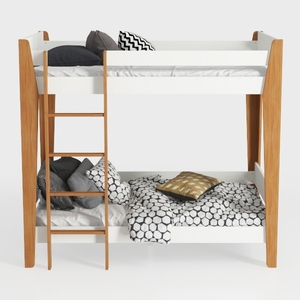
Modern Solid Wood White Bunk Bed 3D Model

Minimalist Solid Oak Wood Sideboard Cabinet 3D Model
Homestyler is an easy-to-use online home design platform offering powerful 3D rendering tools, a vast collection of interior design projects, and helpful DIY video tutorials. It’s the perfect way to visualize and create your dream space with confidence and creativity.
Design Now for FREE