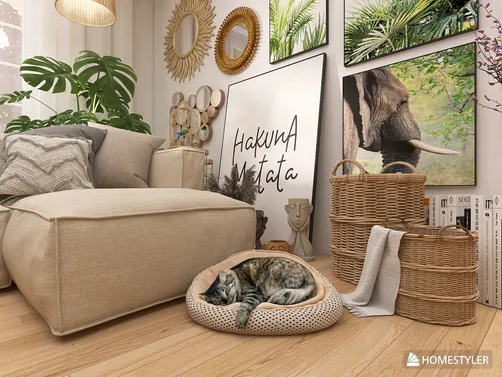
Pet-Friendly Living Space Design
The 'Pet-Friendly Living Space' is a holistic interior design scenario that transcends traditional room-by-room planning. It refers to any shared human-pet zone — be it a living room, bedroom, or multi-functional open area — where furniture, materials, layout, and sensory elements are intentionally coordinated to serve dual users: people and companion animals. Unlike conventional pet accommodations (e.g., isolated crates or outdoor kennels), this scene emphasizes cohabitation as mutual enrichment — where scratching posts double as sculptural elements, cat trees integrate with bookshelves, and washable, non-toxic flooring supports both toddler play and dog paws. It prioritizes indoor space planning that balances aesthetics, hygiene, safety, and behavioral needs — transforming conflict points (sofa scratching, carpet digging) into collaborative design opportunities.
Design Challenges & Common Pitfalls
Designing for pets introduces layered complexities rarely found in human-only interiors. Key challenges include reconciling opposing material requirements (e.g., soft upholstery vs. claw-resistant surfaces), accommodating species-specific behaviors (vertical climbing for cats vs. denning instincts for dogs), and maintaining visual cohesion while embedding functional pet infrastructure (litter zones, feeding stations, grooming nooks). Common pitfalls include retrofitting pet solutions *after* human-centric layouts are finalized — leading to awkward corners, compromised traffic flow, or poorly concealed utilities — and underestimating wear-and-tear on finishes, resulting in premature replacement or inconsistent aesthetics. Effective pet-friendly indoor space planning requires behavior-informed foresight, not reactive adaptation.
✅ Prioritize Dual-Function Furniture & Zoning
Every major piece should serve humans and pets simultaneously — e.g., a sofa with integrated scratch-resistant side panels and a removable, machine-washable cover; a coffee table with enclosed storage for toys and a lower ledge for cat perching; or modular shelving that doubles as vertical pathways and display units. Strategic zoning — using subtle level changes, textured rugs, or low-profile dividers — defines activity areas (human lounging, pet napping, interactive play) without visual fragmentation. This principle ensures spatial efficiency and reinforces the 'two-way embrace' philosophy central to modern pet-inclusive living.

Deedee x’s 'A Dreamy Winter Retreat' masterfully applies this principle in a compact bedroom. The custom cat tree is not an add-on but an architectural extension of the bed’s headboard — its platforms align with bedside height for seamless human-pet interaction. Using Homestyler’s AR virtual furniture placement feature, she tested scale, sightlines, and accessibility before finalizing, ensuring the structure enhanced — rather than obstructed — the room’s circulation and serene aesthetic. This exemplifies how Homestyler design tips support intentional dual-use integration from the earliest planning stage.
Design Your Cozy Room🐾 Choose Behavioral-Responsive Materials & Finishes
Material selection must respond to real-world pet behaviors: microfiber or Crypton® fabrics resist claw marks and repel odors; matte-finish laminates or luxury vinyl plank (LVP) flooring offer durability, warmth, and easy cleanup; wall paints with scrubbable, antimicrobial additives withstand tail swipes and paw prints. Avoid glossy surfaces, loose weaves, or delicate trims that invite chewing or snagging. Texture diversity — like grass-like turf zones for cats or tactile rubber mats near water stations — satisfies instinctual needs while enriching sensory experience for all inhabitants.

ROBERTA GIULIETTI’s 'Il gatto può salire sul tavolo' leverages Homestyler’s real-time 3D rendering to simulate material performance under feline use — testing how velvet upholstery holds up to kneading versus how matte ceramic flooring reflects light without glare for sensitive eyes. Her vibrant yet cohesive palette uses durable, wipeable paint on lower walls and strategically placed textured rugs to define a safe, stimulating play zone — proving that behavioral responsiveness need not compromise bold interior design expression.
Start Your Stylish Space🌿 Embed Pet Infrastructure with Invisible Integration
Pet essentials — litter boxes, feeding stations, grooming tools, and sleeping dens — must be seamlessly embedded, not hidden. Use cabinetry with ventilated toe-kicks for litter containment; recessed wall niches for food bowls; built-in window perches with cushioned ledges; or under-stair enclosures converted into cozy dog dens. Concealment should prioritize airflow, accessibility, and cleaning — never isolation. Invisible integration maintains spatial integrity and communicates respect: pets aren’t accommodated *in spite of* design, but *within* its core logic.

Encarni Fernandez Calero’s 'Compartir hogar con mis gatos' demonstrates invisible integration through a bohemian living room where a woven rattan cabinet conceals a litter station behind ventilated slats — matching the room’s texture language while enabling odor control and daily access. Using Homestyler’s real-time 3D rendering functionality, she iterated cabinet depth, ventilation ratios, and door swing paths to ensure ergonomic maintenance — turning a functional necessity into a stylistic anchor. This showcases advanced Homestyler design tips for harmonizing utility and beauty in shared indoor space planning.
Create Your Boho HavenFAQ
Q: How can I start designing a pet-friendly space without remodeling?
A: Begin with strategic furniture swaps and smart accessories: replace fabric sofas with performance textiles, install wall-mounted cat shelves instead of freestanding trees, use washable rug pads beneath area rugs, and add magnetic or sliding-door cabinetry to conceal litter or food. Homestyler design tips emphasize starting small — use the app’s drag-and-drop library to test placements virtually before purchasing, optimizing your existing indoor space planning with zero construction.
Q: Are there specific Homestyler AI tools that help visualize pet behavior impact?
A: Yes — Homestyler’s AR virtual furniture placement feature lets you project scaled 3D models of pet furniture (like cat trees or dog beds) into your actual room via mobile camera, assessing sightlines and traffic flow. Its real-time 3D rendering also simulates lighting on different floor finishes to evaluate glare sensitivity for pets, and its material library includes filters for 'scratch-resistant' and 'pet-safe' surface options — key for informed indoor space planning.
Q: Can pet-friendly design work in small apartments?
A: Absolutely — in fact, compact spaces benefit most from dual-function solutions. Use vertical space aggressively (wall-mounted feeders, ceiling-hung hammocks), choose nesting furniture (ottomans with hidden toy storage), and define zones with rugs or lighting rather than walls. Top-winning entries like T Yener’s award-winning 'Harmonious Living' project prove that even modest square footage can host thriving human-pet cohabitation when guided by intentional Homestyler design tips and precise indoor space planning.
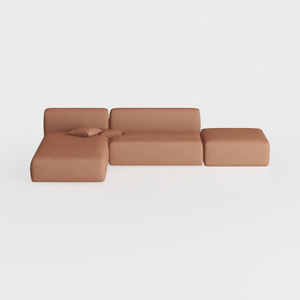
Minimalist Brown Fabric Modular Sectional Sofa 3D Model

Boucle Fabric Solid Wood Base Modern Sofa 3D Model
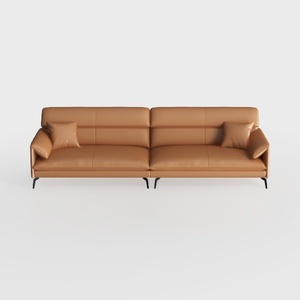
Modern Minimalist Tan Leather Living Room Sofa 3D Model
Homestyler offers an easy-to-use online home design tool with stunning 3D renderings, a vast collection of interior design projects, and helpful DIY video tutorials. It’s a great platform to bring your home design ideas to life effortlessly and creatively.
Desain sekarang Gratis