Multi-generational Living Space Design
The 'Multi-generational Living Space' refers to a unified, thoughtfully planned interior environment—typically within compact urban dwellings—where three or more generations (e.g., grandparents, parents, and children) cohabit harmoniously. Unlike generic open-plan layouts, this scenario demands intentional indoor space planning that simultaneously supports privacy, accessibility, intergenerational interaction, age-specific ergonomics, and adaptable functionality—all without sacrificing warmth or aesthetic cohesion. It is not merely about adding more furniture; it’s about orchestrating zones for rest, play, care, socialization, and quiet reflection within shared square footage—making it one of the most nuanced challenges in contemporary residential interior design.
Design Challenges & Common Pitfalls
Designing for multi-generational living introduces layered complexities: conflicting spatial needs (e.g., toddlers require safety-proofed zones while seniors need slip-resistant, barrier-free circulation); acoustic privacy amid overlapping daily routines (early-rising elders vs. late-sleeping teens); storage overload from accumulated belongings across decades; and visual clutter from mismatched styles or uncoordinated color palettes. A frequent oversight is treating the space as a single ‘living room’ rather than a network of semi-autonomous micro-zones—leading to compromised comfort, reduced autonomy, and diminished emotional well-being for vulnerable users.
✅ Prioritize Zonal Flexibility & Multi-Functionality
Rather than rigidly assigning rooms by generation, define fluid activity zones using movable partitions, modular furniture, and dual-purpose elements (e.g., a sofa bed for guest stays, a dining table with pull-out desks for homework and telehealth). Homestyler Design Tips emphasize leveraging AI-powered real-time 3D rendering to simulate dynamic usage—testing how a single zone transforms from morning breakfast hub to afternoon study nook to evening intergenerational game night—all before finalizing layout or materials.

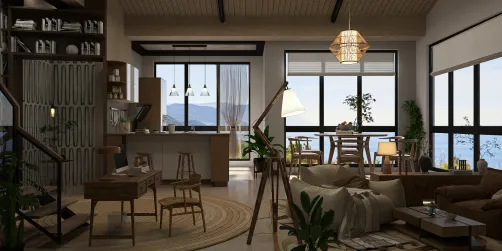
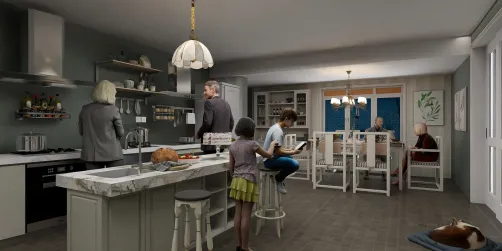
Designer melissenkal22 anne’s unnamed work demonstrates zonal flexibility masterfully: the open-concept living-kitchen area integrates a large island (social anchor), recessed seating nooks (for quiet reading), and integrated cabinetry with child-safe handles and senior-height countertops. Using Homestyler AI design tools, she simulated foot traffic flow for mobility aids and strollers—validating clear 900mm+ pathways and minimizing level changes. This reflects intelligent indoor space planning where every surface serves multiple users—and multiple moments—without visual or functional compromise.
Start Free Design♿ Ensure Universal Accessibility Without Compromise
Universal design must be embedded—not appended. This includes step-free transitions, lever-style hardware, glare-free ambient + task lighting, non-slip flooring across wet and dry zones, and strategically placed grab bars disguised as towel racks or shelf supports. Crucially, accessibility shouldn’t signal institutional sterility; warmth is achieved through tactile materials (textured wood, soft wool rugs), warm-color accents (not just neutral grays), and human-scaled proportions—even in compact spaces. Homestyler Design Tips highlight using AI to auto-generate ADA-compliant pathfinding heatmaps and detect vertical clearance conflicts before construction.

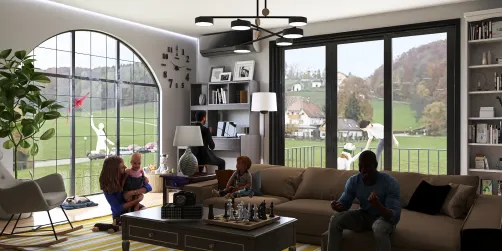
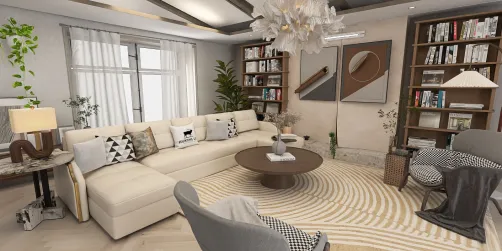
Shalima mohammed thomas’s 'Generational Living in Minimalist Decor' uses universal accessibility as an aesthetic driver: low-profile sofas with firm cushions aid sit-to-stand transitions for elders, while rounded-edge coffee tables prevent toddler injuries. Her Homestyler AI model included custom collision detection for walkers and wheelchairs—revealing a previously overlooked pinch point near the hallway closet, which she resolved with pocket doors. The result is a serene, minimalist interior where safety, dignity, and style coexist seamlessly—a benchmark in inclusive indoor space planning.
Begin Your Free Design🌱 Cultivate Emotional Connection Through Shared Sensory Elements
Shared spaces thrive when they engage multiple senses across ages: scent (non-irritant plants like lavender or mint), sound (acoustic panels disguised as wall art or woven tapestries), touch (layered textiles—nubby wool throws, smooth ceramic vases, cool stone coasters), and sight (natural light modulation via adjustable sheer + blackout layers). Crucially, incorporate ‘memory anchors’—display niches for heirlooms, multigenerational photo walls with tactile frames, or a communal chalkboard wall for grocery lists and doodles. These subtle cues foster belonging, continuity, and joyful interaction—transforming function into emotional resonance.

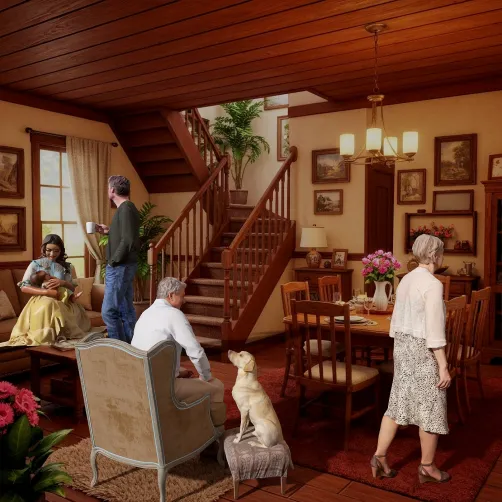
In 'Designing for Generations', Shalima mohammed thomas employs sensory layering with intention: a monochrome palette ensures visual calm for aging eyes, while high-contrast black-and-white tableware aids visibility; pendant lights feature dimmable warm-white LEDs for evening meals and bright-white for homework; and a built-in planter along the dining banquette introduces fragrance and tactile engagement. She used Homestyler’s material-light simulation to preview glare reduction on tabletops and verify color contrast ratios—proving that emotional connection begins with scientifically informed, empathetic indoor space planning.
Launch Free DesignFAQ
Q: How can I balance privacy and togetherness in a small multi-generational home?
A: Use transitional zones—not walls. Install sliding barn doors between bedroom and living areas, add floor-to-ceiling curtains for flexible sleeping nooks, or designate a ‘quiet corner’ with acoustic panels and noise-dampening rugs. Homestyler Design Tips recommend running AI-generated sound propagation simulations to identify leakage points before finalizing layout.
Q: Are there Homestyler AI features specifically helpful for senior-friendly design?
A: Yes—use the ‘Accessibility Mode’ to auto-flag step hazards, insufficient turning radii, and unreachable switch heights. The AI also suggests compliant fixtures (e.g., motion-sensor nightlights, height-adjustable vanities) and renders real-time shadow analysis to ensure daylight reaches key circulation paths.
Q: Can multi-generational design work in rental apartments with limited renovation options?
A: Absolutely. Focus on non-permanent interventions: peel-and-stick anti-slip treads, freestanding folding partitions, plug-in LED under-cabinet lighting, and modular shelving systems. Homestyler’s ‘Rental-Friendly Filter’ helps visualize reversible upgrades—ensuring your indoor space planning remains practical, ethical, and lease-compliant.

Minimalist Solid Oak Fluted TV Stand with Black Metal Legs 3D Model
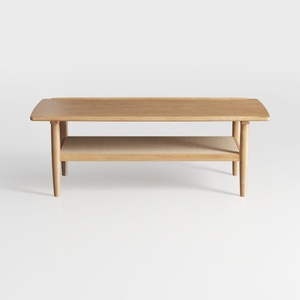
Minimalist Solid Oak Two Tiered Coffee Table 3D Model
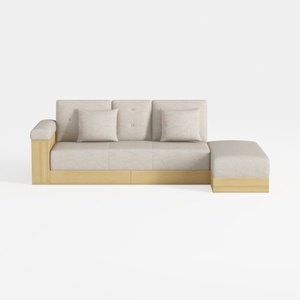
Minimalist Linen Solid Wood Sectional Sofa 3D Model
Homestyler is an easy-to-use online home design platform featuring powerful 3D rendering tools, a vast collection of interior projects, and handy DIY video tutorials—perfect for creating and visualizing your dream space effortlessly.
Progetta ora GRATIS