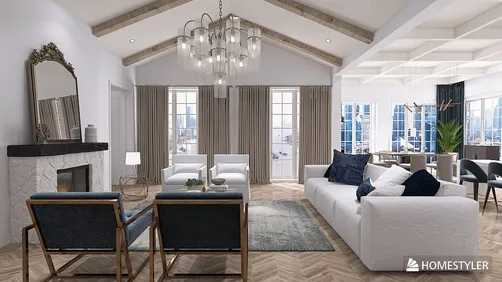
Multi-generational Living Space Design
The 'Multi-generational Living Space' is a holistic interior design scenario focused on harmonizing diverse functional, sensory, and emotional needs within a single residential environment — typically accommodating elders, adults, and children (or infants) under one roof. Unlike standard single-family layouts, this scene prioritizes layered spatial intelligence: balancing shared zones for intergenerational bonding (e.g., open-plan LDKs, multi-height activity corners) with carefully zoned private retreats (e.g., sound-dampened bedrooms, accessible en-suites, age-adapted circulation paths). It demands rigorous indoor space planning that integrates universal design principles, adaptive furniture systems, and psychological zoning — all while maintaining visual cohesion, natural light flow, and material warmth. This is not merely 'more rooms'; it’s architecture of empathy — where every threshold, texture, and transition serves connection *and* dignity.
Design Challenges & Common Pitfalls
Designing for three generations introduces overlapping yet conflicting requirements: elders need slip-resistant floors, glare-free lighting, and step-free access; teens demand acoustic privacy and tech-integrated study zones; infants require non-toxic materials, enclosed play areas, and proximity to caregivers. Common pitfalls include overloading shared spaces (causing sensory fatigue), neglecting vertical circulation safety (e.g., stairs without dual handrails), creating ‘token’ accessibility features (e.g., a single grab bar instead of full bathroom reconfiguration), and using rigid room assignments that ignore evolving family dynamics (e.g., a ‘guest room’ that becomes a permanent teen studio). Poor indoor space planning often results in compromised acoustics, inefficient HVAC distribution across zones, or visual clutter from mismatched furniture scales — undermining both functionality and emotional comfort.
✅ Prioritize Zoned Flexibility & Shared Thresholds
Rather than fixed room definitions, design adaptable zones with soft boundaries — sliding barn doors, retractable partitions, or furniture-led transitions (e.g., a dining banquette doubling as a reading nook for grandparents and homework station for kids). Shared thresholds — like a covered porch linking indoor/outdoor living or a bridge-like hallway over a garden pond (as seen in Andi Padmandi’s award-winning countryside home) — symbolically and functionally connect generations without forcing constant interaction. Homestyler Design Tips: Use Homestyler’s ‘Smart Zone’ tool to simulate traffic flow between zones; apply the ‘Sunlight Simulation’ feature to verify natural light reaches elder-friendly sitting areas *and* infant-safe nap corners simultaneously.

Hilola Mamadhanova’s 'дом для большой семьи' (House for a Large Family) exemplifies zoned flexibility through its seamless indoor–outdoor patio transition — a shared threshold where elders relax in shaded lounge seating, teens gather around a firepit, and toddlers explore tactile pavers and low planters. Using Homestyler AI design tools, she leveraged the ‘Real-time 3D Rendering’ feature to test multiple patio layout iterations under varying sunlight angles, ensuring glare-free visibility for older users while preserving vibrant color contrast for children’s spatial orientation — a masterclass in inclusive indoor space planning.
Design Your Patio Now✅ Embed Universal Accessibility Without Compromise
Accessibility must be invisible in its elegance — integrated into aesthetics, not bolted on. Think: zero-threshold showers with recessed drains, countertops at three heights (for standing adults, seated elders, and counter-height play), and lever-style door handles throughout. Avoid ‘accessible-only’ rooms; instead, ensure *all* primary zones meet WCAG-aligned reach ranges and circulation widths (≥900mm clear path). Homestyler Design Tips: Activate Homestyler’s ‘Accessibility Overlay’ mode to instantly flag non-compliant clearances or hazardous level changes. Use the ‘Material Library’ filter to auto-select slip-resistant flooring (R10+ rating) and non-reflective wall finishes for glare-sensitive users.

Anna Ponomareva’s 'Дом мечты' (Dream Home) embeds universal accessibility through subtle, elegant execution: a continuous flush-floor transition from living room to balcony eliminates tripping hazards; modular sofa sections with adjustable armrest heights accommodate both seated elders and active children; and her use of Homestyler’s ‘Color Contrast Analyzer’ ensured textural wall panels met luminance contrast ratios (>4.5:1) for low-vision users — all while maintaining a warm, cohesive Scandinavian aesthetic. This proves Homestyler Design Tips directly support empathetic indoor space planning without sacrificing style.
Start Free Living Room Design✅ Layer Acoustic & Visual Calm Across Generations
Noise conflict is the silent stressor in multi-gen homes: baby monitors, teen music, and elder TV volume compete in open plans. Solve it via layered acoustics — ceiling clouds over shared zones, cork-backed wall panels in bedrooms, and carpet runners on hardwood stairs. Visually, reduce cognitive load with consistent wayfinding cues (e.g., color-coded zone borders), ample natural light (to regulate circadian rhythms across ages), and biophilic elements (indoor plants, wood grain textures) proven to lower cortisol. Homestyler Design Tips: Run Homestyler’s ‘Acoustic Preview’ simulation to visualize sound bleed between zones; use the ‘HDR Lighting Preset’ library (e.g., ‘g_morning’, ‘g_ljz_day’) to test how light quality shifts across rooms at different times — critical for elder sleep hygiene and infant napping cycles.

Gabrielly Remos’ 'Espaços para um Casal e suas Gémeas' (Spaces for a Couple and Their Twins) layers acoustic calm by placing the twin bedroom behind a corridor lined with acoustic-rated drywall and flanking it with a quiet reading nook (for grandparents) and a closed office (for parents) — creating a buffer zone. Her use of Homestyler’s ‘Smart Furniture Arrangement’ optimized bed placement to maximize sound absorption surface area (backed by upholstered headboards and textile-rich walls), while the ‘Real-time 3D Rendering’ preview confirmed that morning light filtered gently through sheer curtains — supporting infant melatonin regulation without disturbing adult sleep. This reflects advanced Homestyler Design Tips applied to real-world indoor space planning challenges.
Begin Bedroom LayoutFAQ
Q: How can I start designing a multi-generational home if my floor plan is very small?
Start with a ‘zone-first’ mindset — not room-first. Use Homestyler’s ‘Space Planner’ tool to define only 3 core zones: (1) Shared Living (LDK + flexible seating), (2) Private Rest (bedrooms + bathrooms, with at least one on ground floor), and (3) Life Support (laundry, storage, entryway). Then apply vertical solutions: Murphy beds, lofted teen studios, and under-stair storage. Prioritize indoor space planning that maximizes dual-use surfaces (e.g., dining table with built-in charging ports + toddler-height extension leaf).
Q: Does Homestyler offer specific templates or AI prompts for multi-generational layouts?
Yes — search ‘multi-gen’, ‘universal design’, or ‘aging-in-place’ in Homestyler’s Template Gallery. The AI Prompt Engine supports queries like ‘Generate a 75m² open-plan layout with step-free access, dual-height kitchen counters, and sound-buffered bedroom wings’. Leverage the ‘Design History’ feature to compare iterations side-by-side — essential for refining indoor space planning trade-offs.
Q: How do I balance style consistency with functional diversity across generations?
Anchor the entire space with one unifying element — e.g., a signature material (warm oak flooring), a consistent base palette (soft neutrals + one accent hue), or rhythmic architectural detail (repeating archways or ceiling beams). Then layer generational specificity *on top*: textured rugs for toddler grip, adjustable LED task lamps for elders, and magnetic wall panels for teen art displays. Homestyler Design Tips: Use the ‘Style Match’ tool to auto-apply your anchor palette to new furniture additions — ensuring cohesion without manual recoloring.

Minimalist Travertine Top Solid Wood Round Coffee Table 3D Model
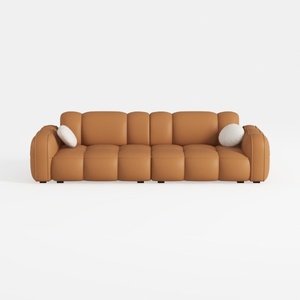

Modern Minimalist Tan Leather Oversized Sofa 3D Model
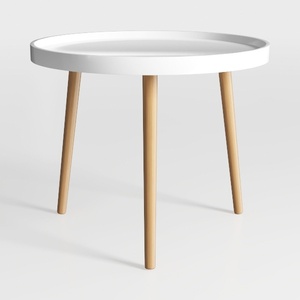
Minimalist Modern Oak White Round Side Table 3D Model
Homestyler offers an easy-to-use online design tool, stunning 3D renderings, and a vast collection of interior projects. With helpful DIY video tutorials, it’s the ideal platform to create and visualize your perfect home design effortlessly.
Design Now for FREE