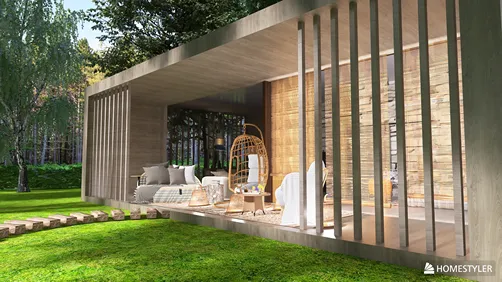
Summer Retreat Cabin Design
The 'Summer Retreat Cabin' is a specialized indoor-outdoor living scenario focused on creating a tranquil, nature-immersive sanctuary for seasonal relaxation. Unlike conventional residential interiors, this scene emphasizes biophilic integration—blending architecture with landscape through expansive glazing, natural material palettes, and seamless indoor–outdoor transitions. It prioritizes thermal comfort (cool airflow, shade control), sensory calm (soft acoustics, organic textures), and emotional restoration—transforming compact or remote spaces into holistic wellness environments. This design context sits at the intersection of interior space planning, sustainable material selection, and contextual responsiveness to climate and terrain.
Design Challenges & Common Pitfalls
Designing a summer retreat cabin presents unique challenges: balancing openness with privacy in exposed natural settings; managing intense solar gain without compromising views; achieving spatial efficiency in modest footprints (many entries range from 94–135 m²); integrating high-performance insulation and ventilation while preserving rustic authenticity; and harmonizing modern amenities (e.g., spa-like bathrooms, smart lighting) with regional vernacular aesthetics. A frequent oversight is treating the cabin as purely decorative—neglecting how interior space planning directly impacts thermal comfort, cross-ventilation pathways, and psychological decompression.
🌿 Prioritize Seamless Indoor–Outdoor Flow
A successful summer retreat cabin dissolves boundaries between interior and exterior. Use full-height sliding or folding glass walls, aligned floor levels (indoor–outdoor flush thresholds), consistent material language (e.g., cedar cladding continuing from façade to ceiling beams), and strategic sightlines that frame nature as living artwork. This principle supports passive cooling, visual expansion, and emotional grounding—key goals in restorative interior space planning.

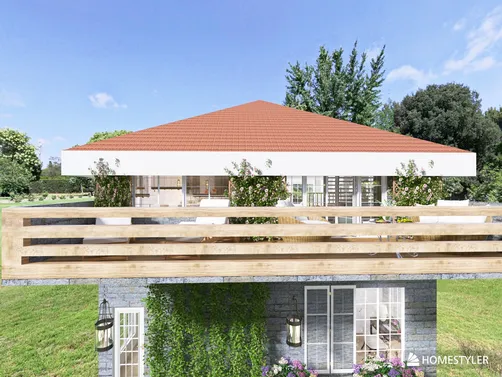
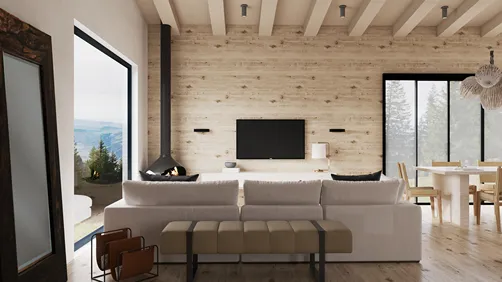
Alishba .’s 'A Serene Summer Retreat' exemplifies this principle: she uses Homestyler’s real-time 3D rendering to visualize uninterrupted sightlines from the living area through floor-to-ceiling windows into lush greenery—proving how virtual prototyping enables confident decisions about glazing placement and threshold design before construction. Her interior space planning intentionally aligns the sofa axis with the garden path, turning nature into an active design element—not just background scenery.
Start Free Design🍃 Optimize Natural Ventilation & Thermal Comfort
Rather than relying solely on mechanical AC, top retreat cabins use cross-ventilation strategies: operable clerestory windows for hot-air exhaust, strategically placed casement openings to capture prevailing breezes, thermal mass (stone floors, rammed earth walls) for night-cooling retention, and external shading (louvers, pergolas with climbing vines). This requires precise interior space planning—e.g., locating sleeping zones perpendicular to airflow paths and avoiding internal partitions that block air movement.

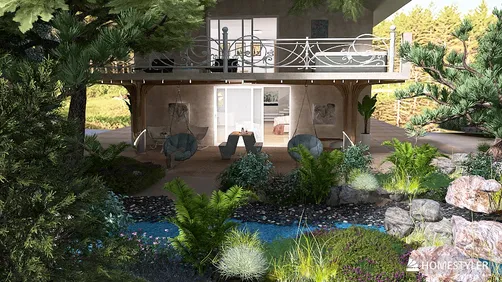
Natalia Gribacheva’s 'Дизайнерские детали в деревенском доме' leverages Homestyler Design Tips to simulate airflow dynamics: she tests multiple window configurations in the software, adjusting opening sizes and positions until achieving optimal stack ventilation—visible in her rendered evening scene where warm ambient light and soft shadows indicate balanced thermal layering. Her use of exposed brick and timber not only honors vernacular style but also serves dual thermal and acoustic roles—demonstrating how material choices in Homestyler’s library support performance-driven interior space planning.
Begin Free Design🪵 Embrace Contextual Material Authenticity
Material selection must respond to both environment and emotion: locally sourced wood (cedar, larch), reclaimed elements (as seen in recycled-silo cabins), stone, and lime plaster create warmth, breathability, and tactile serenity. Avoid synthetic substitutes—prioritize materials with low embodied energy and proven durability in humid or sun-exposed conditions. Texture variation (rough-hewn beams + smooth concrete floors) adds depth without visual clutter, supporting minimalist yet grounded interiors.

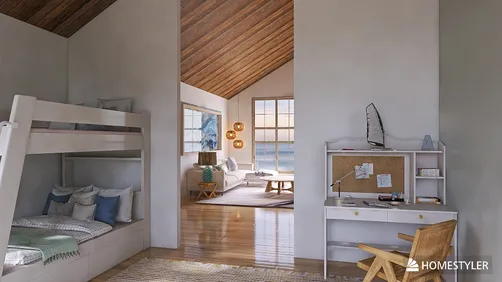
Cecilia Botha’s 'Summer retreat' applies Homestyler Design Tips to curate a cohesive material story: she selects weathered oak flooring and linen-upholstered bed frames that echo the lake’s muted tones, then validates color harmony and texture scale using Homestyler’s real-time HDR lighting presets (e.g., 'g_sea_sky'). Her interior space planning places the bed perpendicular to the view—ensuring the first waking moment is framed by nature—proving how tool-assisted orientation enhances experiential intentionality.
Launch Free DesignFAQ
Q: Do I need architectural training to participate in the Summer Retreat Cabin contest?
Not at all. Homestyler is built for designers of all levels—from beginners to professionals. Its intuitive drag-and-drop interface, AI-powered layout suggestions, and real-time 3D rendering make it easy to experiment with interior space planning, material pairings, and lighting scenarios—even without formal drafting skills.
Q: Can I design a cabin that blends modern and rustic styles using Homestyler?
Absolutely. Homestyler’s extensive library includes both contemporary fixtures (floating vanities, linear LED strips) and rustic elements (reclaimed wood beams, stone veneers, woven textiles). Use the ‘Style Match’ feature to auto-generate cohesive palettes—and apply Homestyler Design Tips like ‘Sunlight Simulation’ to test how natural light interacts across mixed-material surfaces.
Q: How important is interior space planning for thermal comfort in a summer cabin?
Critical. Strategic room adjacencies (e.g., placing sleeping zones on cooler north sides), open-plan living areas to encourage airflow, and minimizing internal walls all contribute more to passive cooling than high-end AC. Homestyler’s floorplan heat-map tools help visualize solar gain patterns—empowering smarter interior space planning decisions before finalizing your design.
Q: Are there region-specific design considerations I should follow?
Yes—regional charm is a core judging criterion. For example: Australian entries often emphasize hillside integration and wide verandas; Lake Balaton designs highlight water reflection and star-viewing lofts; coastal cabins prioritize salt-resistant finishes and ocean-aligned sightlines. Use Homestyler’s location-based HDR presets (e.g., 'g_ljz_day', 'g_bank') to authentically simulate local light quality and sky conditions.

Minimalist Boucle Fabric Tufted Sofa 3D Model
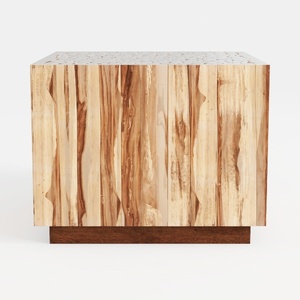

Minimalist Solid Wood Accent Cabinet with Textured Top 3D Model
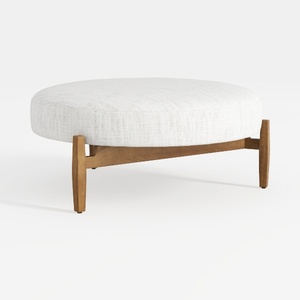
Minimalist Mid Century Fabric Round Ottoman 3D Model
Homestyler is an easy-to-use online home design platform that offers powerful 3D rendering, a vast collection of design projects, and helpful DIY video tutorials—perfect for bringing your interior decoration ideas to life effortlessly.
Projete agora para LIVRE