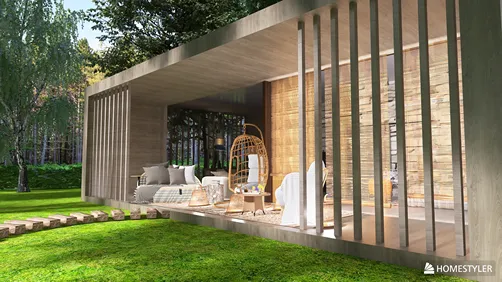
Summer Retreat Cabin Design
The 'Summer Retreat Cabin' is a specialized outdoor-integrated indoor space design scenario — not merely a cabin structure, but a holistic micro-environment where architecture, interior space planning, landscape transition, and climatic responsiveness converge. It emphasizes biophilic integration (e.g., large glazed openings, natural material palettes, indoor-outdoor flow), thermal comfort (cross-ventilation, shading, thermal mass), and emotional resonance (tranquility, seclusion, sensory richness). Unlike conventional residential interiors, this scene prioritizes experiential sequencing — from arrival path to threshold, then to core living zones — all calibrated to evoke seasonal relief and nature immersion. It’s a prime application domain for AI-powered interior space planning tools like Homestyler, where real-time 3D rendering enables rapid iteration of spatial relationships, material-light interactions, and furniture-scale ergonomics in context-sensitive layouts.
Design Challenges & Common Pitfalls
Designing a summer retreat cabin presents unique interdisciplinary challenges: balancing compact footprint with generous spatial perception; integrating large glazing without compromising thermal load or glare; resolving structural constraints (e.g., A-frame geometry) with functional zoning; and maintaining visual continuity between interior and exterior while ensuring privacy and acoustical comfort. Common pitfalls include over-cluttering small cabins with oversized furniture, neglecting sun-path analysis leading to overheating, using non-durable natural materials in high-humidity environments, and failing to plan for multi-sensory engagement (e.g., omitting tactile surfaces, wind-responsive elements, or water features that enhance cooling perception). Effective interior space planning must therefore be data-informed — leveraging Homestyler design techniques such as sunlight simulation, smart furniture layout, and real-time HDR environment testing to preempt these issues.
✅ Prioritize Seamless Indoor-Outdoor Flow
This principle demands architectural and interior strategies that dissolve boundaries: floor-to-ceiling sliding glass walls, flush thresholds, aligned sightlines, consistent flooring materials across interior and terrace, and strategically placed openings that frame landscape vignettes. The goal is perceptual expansion — making the cabin feel larger than its footprint by borrowing views, light, and ambient sound. Homestyler’s real-time 3D rendering allows designers to test multiple window configurations, simulate daylight penetration at different hours, and preview how furniture placement affects sightline integrity — all critical for achieving true spatial continuity.

Cecilia Botha’s 'A Harmonious Cabin Retreat' exemplifies seamless indoor-outdoor flow through expansive glass walls that visually merge the dining zone with surrounding greenery. Using Homestyler design techniques, she leveraged sunlight simulation (HDR: g_bank) and real-time 3D rendering to ensure optimal daylight diffusion without glare — positioning the dining table to capture morning light while avoiding afternoon heat gain. Her interior space planning intentionally aligns interior finishes (light wood floor) with exterior decking, reinforcing continuity. This demonstrates how AI tools transform conceptual intent into measurable, climate-responsive execution.
Start Free Design Now🌿 Embrace Biophilic Materiality & Texture
Biophilic design goes beyond adding plants — it involves selecting and layering natural, tactile, regionally resonant materials (reclaimed wood, stone, rattan, linen, clay plaster) that evoke warmth, authenticity, and sensory grounding. Texture variation (rough stone wall next to smooth timber ceiling) enhances spatial interest and supports thermal comfort by increasing surface area for passive heat exchange. In Homestyler, material libraries with physically based rendering (PBR) enable accurate simulation of how light interacts with grain, porosity, and reflectivity — essential for evaluating both aesthetics and performance before construction.

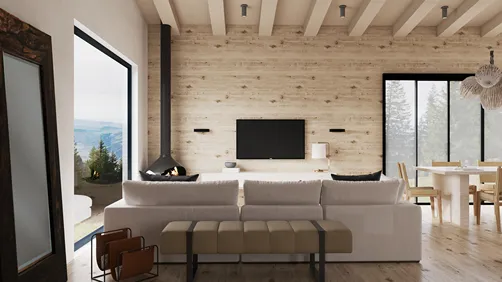
Lis Bador’s 'Summer Retreat Cabin for Web' masterfully deploys biophilic materiality via a prominent natural stone accent wall paired with exposed wooden ceiling beams — creating rich textural contrast and anchoring the space in earthy authenticity. She used Homestyler’s smart furniture layout and PBR material previews (HDR: euro_garden) to verify how warm-toned textiles and matte-finish woods would harmonize under natural light. Her interior space planning avoids visual clutter by limiting material types to three core palettes (stone, timber, linen), proving how Homestyler design techniques streamline biophilic decision-making without sacrificing depth.
Create Your Rustic Home🌬️ Optimize Passive Cooling Through Spatial Strategy
Passive cooling is foundational — not an afterthought. It requires strategic orientation, operable openings for cross-ventilation, thermal mass placement (e.g., stone floors absorbing daytime heat), shaded outdoor zones (pergolas, deep eaves), and airflow pathways that avoid dead-air corners. Interior space planning must support this: open-concept layouts encourage air movement; elevated sleeping lofts promote stack ventilation; and lightweight, breathable furnishings reduce heat retention. Homestyler’s sunlight and airflow simulation tools allow designers to model thermal gradients and adjust layouts iteratively — turning environmental data into intuitive spatial decisions.

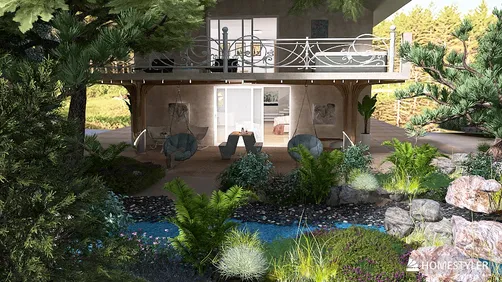
Toni Sandison’s 'A Serene Retreat' achieves passive cooling through a carefully orchestrated spatial strategy: a shaded outdoor terrace with hanging chairs positioned to catch prevailing breezes, connected to an open-plan interior via wide sliding doors. Using Homestyler design techniques, she simulated airflow paths (HDR: g_bank) and tested multiple terrace orientations to maximize cross-ventilation. Her interior space planning places the primary lounge zone directly adjacent to operable glazing — ensuring cool air ingress — while avoiding thermal bridges with insulated framing selections visible in the 3D model. This reflects how AI tools embed climate intelligence into every design layer.
Design Your Outdoor SpaceFAQ
Q: What are the most critical interior space planning considerations for a summer retreat cabin?
Effective interior space planning for a summer retreat cabin centers on three pillars: (1) Zoning for thermal comfort — separating sleeping, living, and transitional zones to optimize airflow and solar gain; (2) Scale-aware furniture selection — prioritizing low-profile, modular, and multi-functional pieces to preserve openness; and (3) View corridor management — aligning key sightlines with landscape features to extend perceived space. Homestyler design techniques like real-time sun-path analysis and smart furniture layout make these considerations actionable and precise.
Q: How can Homestyler AI tools improve my summer cabin design workflow?
Homestyler accelerates summer cabin design by enabling instant 3D visualization of material-light interactions, dynamic sunlight simulation across seasons, AI-assisted furniture scaling and placement, and one-click HDR environment swaps (e.g., switching from g_sea_sky to felsenlabyrinth to test mood and ambiance). Its cloud-based rendering eliminates local hardware limits — ideal for iterating complex geometries like A-frames or curved glazing. This transforms interior space planning from speculative to evidence-based.
Q: Are there regional stylistic patterns I should reference for authenticity?
Yes — top-winning entries reveal strong regional signatures: Australian designs emphasize hillside integration and breezy openness (Julie Turner); Central European entries (e.g., Andi Padmandi’s Lake Balaton silo cabin) favor industrial-repurposed structures with luxury wellness integration; NZ/Aotearoa-inspired cabins (Toni Sandison) prioritize native flora framing and water-feature acoustics; while North American glamping variants (Greyvalley Studios) blend A-frame minimalism with spa-grade bathrooms. Referencing these via Homestyler’s global design library helps ground your concept in authentic vernacular while innovating responsibly.
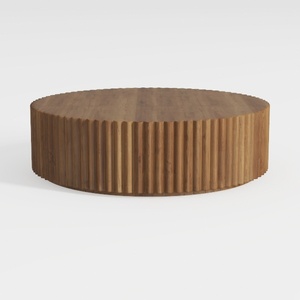
Minimalist Solid Wood Fluted Round Coffee Table 3D Model
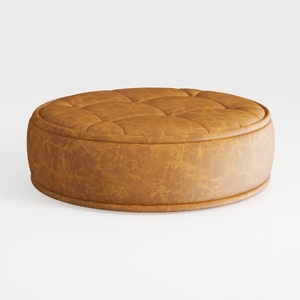
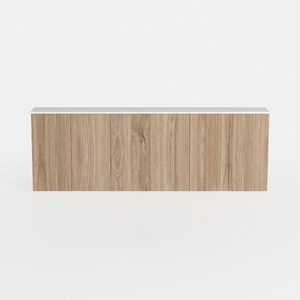
Minimalist Solid Oak Wood Wall Mounted Cabinet 3D Model
Homestyler offers an easy-to-use online home design tool with stunning 3D renderings, a vast collection of interior projects, and helpful DIY video tutorials. It’s perfect for bringing your design ideas to life with professional results.
Diseño ahora GRATIS