Sunken Living Room Style Decoded: Spatial Drama, Natural Warmth & Functional Elegance
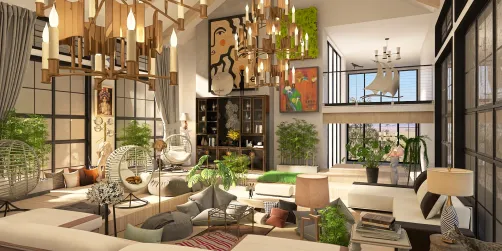
The sunken living room isn’t just a nostalgic throwback—it’s a bold, contemporary spatial strategy that redefines intimacy, hierarchy, and flow within modern interiors. Rooted in mid-century modernism and revived with 21st-century material intelligence and digital design tools, this style leverages vertical differentiation to create zones of focus, calm, and connection. Rather than relying on walls or partitions, it uses level changes—typically a 12–24 inch drop—to carve out a visually anchored, acoustically softened, and psychologically inviting core space. Crucially, today’s interpretation prioritizes openness, natural light integration, seamless transitions to adjacent areas (kitchens, patios, stairs), and tactile warmth—making it equally at home in compact urban lofts and expansive suburban homes. Its resurgence is fueled not only by aesthetic appeal but also by functional benefits: enhanced family interaction, subtle zoning without visual fragmentation, and powerful storytelling potential in 3D visualization.

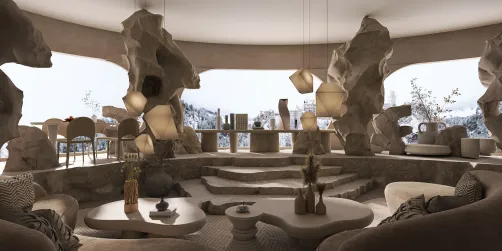
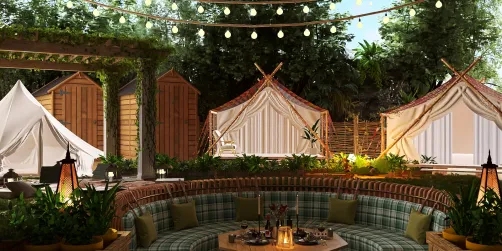
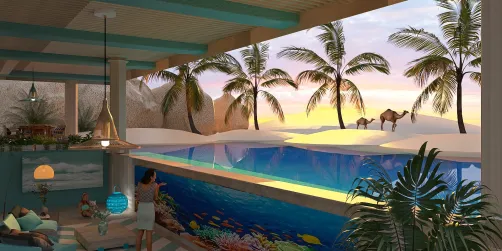
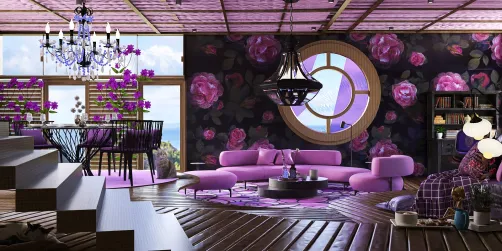
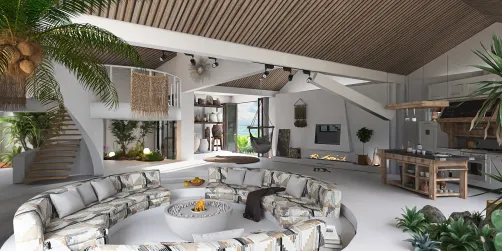
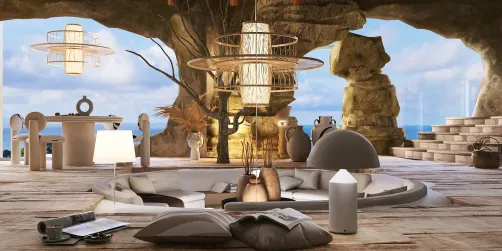
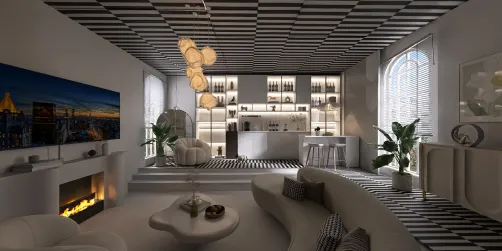
Featured work: VagSer 🇬🇷’s 'Glam Glamp'. This design masterfully bridges indoor and outdoor sensibilities, using the sunken zone as a soft, tent-inspired lounge nestled within a larger open-plan setting. The lowered floor is defined by low-profile furniture, layered textiles, ambient lighting, and abundant greenery—elements easily sourced and placed in Homestyler’s intuitive drag-and-drop interface. With Homestyler’s real-time 3D rendering, designers can instantly preview how light falls across the stepped transition, test material pairings (e.g., woven rattan against polished concrete), and adjust ceiling heights or stair placements—all without leaving the browser.
Start Free Design NowSpatial Hierarchy & Zoning 🌐
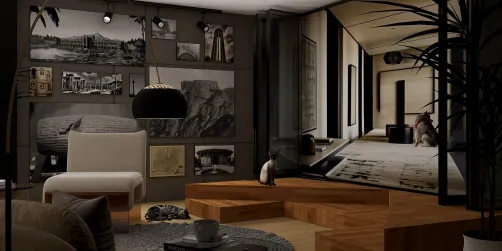
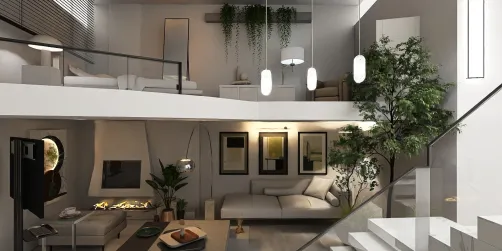
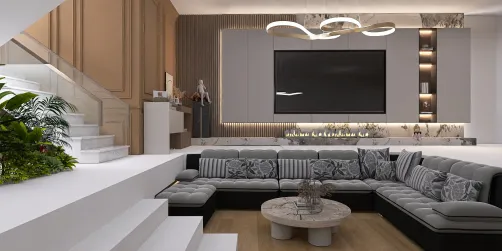
The defining architectural gesture of the sunken living room is its deliberate elevation shift—a physical step down that creates a distinct, intimate sub-zone within the broader floor plan. This isn’t merely decorative; it’s a functional tool for organizing space. The drop establishes clear visual and acoustic separation from circulation paths (hallways, kitchens) while maintaining sightlines and airflow. It encourages grounding and focus, transforming the living area into a literal and metaphorical ‘heart’ of the home—ideal for conversation, relaxation, or entertainment. Successful execution requires careful attention to structural feasibility, headroom above the sunken zone, and smooth, safe transitions via integrated steps or ramps.
VagSer 🇬🇷’s 'Glam Glamp' exemplifies intelligent spatial zoning: the sunken area functions as a dedicated lounge, visually separated yet seamlessly connected to surrounding spaces via flush thresholds and aligned sightlines. In Homestyler, users can precisely model the step-down geometry, visualize shadow patterns throughout the day, and experiment with different riser heights and tread depths—all critical for both aesthetics and ADA-compliant safety. The platform’s parametric furniture library allows instant swapping of sectional sofas or modular seating to optimize footprint and flow within the lowered zone.
Create Cozy Lounge DesignNatural Materiality & Textural Warmth 🌿
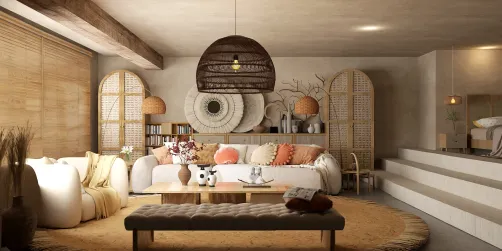
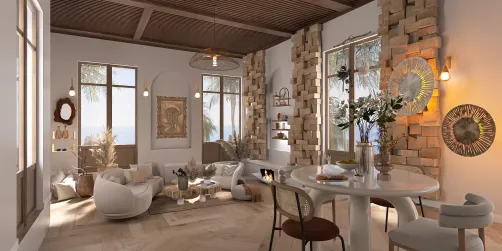
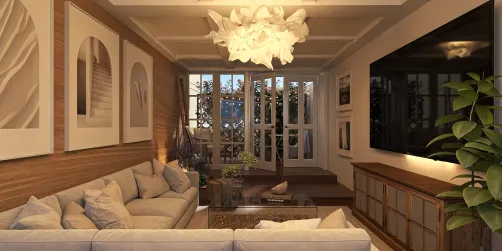
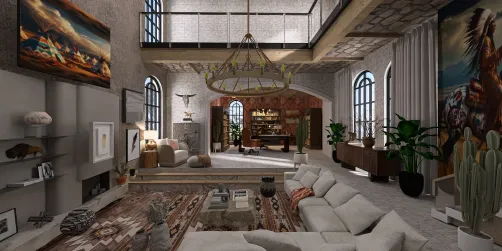
Sunken living rooms thrive on organic authenticity. Expect rich, tactile materials: exposed wood beams or ceilings, textured plaster or stone accent walls, handwoven rugs, linen upholstery, and abundant live greenery. These elements counterbalance the structural formality of the level change, injecting warmth, softness, and biophilic connection. Color palettes lean into earthy neutrals (warm taupes, oatmeals, clay reds), deep forest greens, and muted terracottas—colors that enhance the grounded, serene feeling of the space. The goal is sensory richness: surfaces you want to touch, textures that catch the light, and materials that age gracefully.

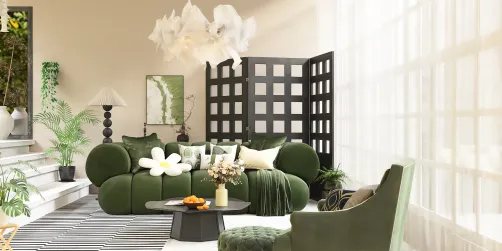
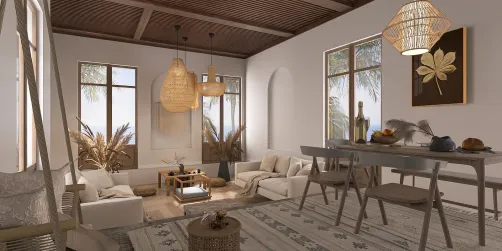
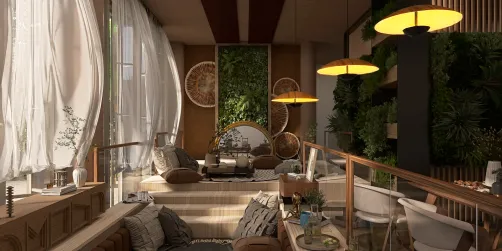
Amanda Chalwade’s design showcases this principle beautifully—layering jute rugs, cotton throws, wooden coffee tables, and cascading pothos to soften the architectural gesture. In Homestyler, designers access an extensive library of photorealistic natural materials (oak flooring, travertine cladding, woven seagrass) and instantly apply them to walls, floors, or furniture with one click. Real-time rendering lets you see how sunlight interacts with raw wood grain or how a textured plaster wall casts gentle shadows—enabling confident, material-driven decisions before construction begins.
Begin Natural Style DesignIntegrated Fire & Light Features 🔥
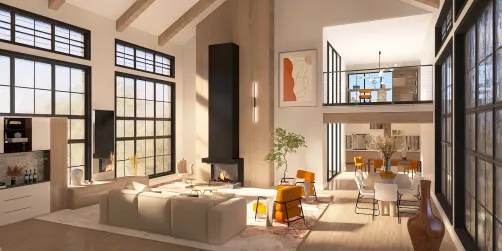
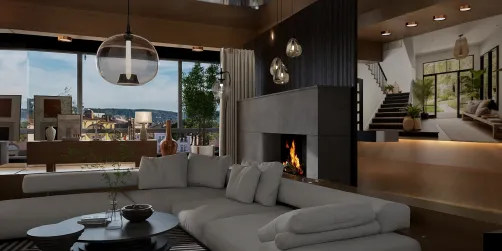
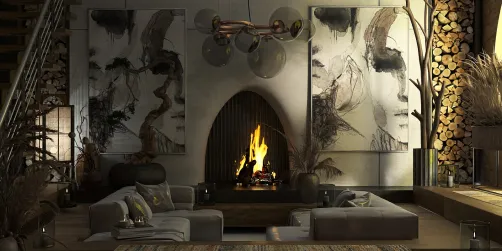
Fireplaces and firepits are not just amenities—they’re gravitational anchors in sunken living rooms. A central, built-in fireplace (linear, double-sided, or sculptural) or a freestanding firepit becomes the literal and figurative hearth, drawing people inward and reinforcing the zone’s sense of gathering and warmth. Lighting complements this: layered schemes combining recessed ceiling spots, adjustable wall sconces, and low-level ambient fixtures (floor lamps, pendant clusters over seating) ensure the sunken area feels enveloping and intimate after dark. Smart lighting controls further elevate comfort and ambiance.

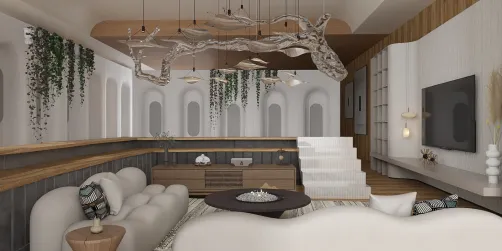
Sara Drakito’s award-winning entry centers the entire composition around a circular sofa grouping encircling a built-in firepit—an instant focal point that maximizes social engagement. In Homestyler, users can select from dozens of realistic firepit models (gas, ethanol, wood-burning), position them with millimeter precision, and observe dynamic flame rendering and heat-glow effects in real time. Coupled with customizable lighting presets, designers can simulate dusk ambiance, test fixture placement for optimal task and mood lighting, and present clients with immersive, emotionally resonant walkthroughs.
Launch Firepit Room DesignFAQ
Q: Is a sunken living room structurally feasible in an existing home?
A: While easiest to integrate during new construction or major renovation, retrofits are possible with engineered solutions like raised perimeter platforms or strategic load-bearing modifications—but always require consultation with a structural engineer.
Q: How do I prevent the sunken area from feeling like a 'hole' or trap?
A: Prioritize generous headroom (minimum 7'6" above the sunken floor), use light-reflective finishes on walls/ceilings, incorporate large windows or skylights, and maintain strong visual connections to adjacent spaces via glass railings or open sightlines.
Q: Can Homestyler accurately model complex sunken geometry and stairs?
A: Yes. Homestyler v4 supports custom room height adjustments, multi-level floor creation, and precise stair modeling—including riser/tread dimensions, railing styles, and material mapping—ensuring technical accuracy alongside stunning visual fidelity.
Q: What’s the ideal depth for a sunken living room?
A: A drop of 12–18 inches is most common and comfortable, offering clear spatial definition without compromising accessibility or requiring excessive steps. Deeper drops (24") create dramatic effect but demand careful attention to ergonomics and code compliance.
Originally incubated at Autodesk, Homestyler has grown into one of the most widely adopted home design platforms in the world, now trusted by over 18 million users. Whether you're a homeowner exploring ideas or a professional designer delivering client-ready renders, Homestyler brings industry-leading 3D technology to your fingertips — no experience required.
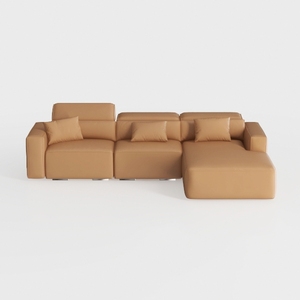
Minimalist Tan Leather L Shape Sectional Sofa 3D Model
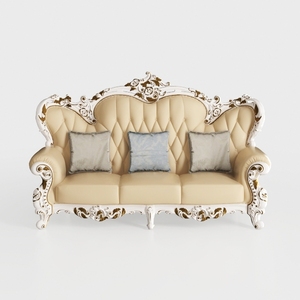
Baroque Luxury Leather Tufted Three Seat Sofa 3D Model

Minimalist Tan Leather 2 Seater Sofa 3D Model
Homestyler is an easy-to-use online home design platform offering powerful 3D rendering tools, a vast collection of interior design projects, and helpful DIY video tutorials. It’s perfect for anyone looking to create and visualize stylish home spaces effortlessly.
Design Now for FREE