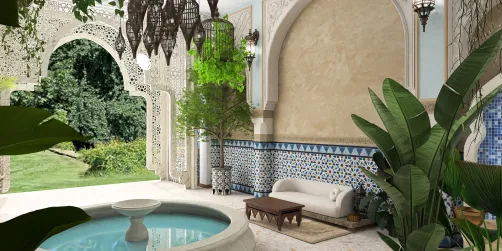
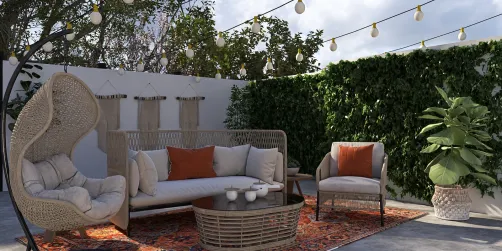
Terrace Space Design
A terrace is a large, roofless outdoor platform at ground level—distinct from balconies that cantilever from upper floors. It serves as a vital transitional zone between indoor living and the natural environment, supporting diverse functions: relaxation, social gatherings, alfresco dining, gardening, or even outdoor entertainment. Unlike enclosed patios or covered decks, terraces emphasize openness, spatial flow, and intentional connection with sky, light, and landscape—making them ideal for holistic indoor space planning and lifestyle extension. Successful terrace design balances aesthetics, durability, climate responsiveness, and human-centered comfort—all enhanced by AI-powered tools like Homestyler Design Tips for real-time visualization and iterative refinement.
Design Challenges & Common Pitfalls
Terrace design faces unique constraints: exposure to weather (rain, sun, wind), drainage and material longevity, spatial ambiguity (blurred boundaries between interior and exterior), and functional overlap (e.g., needing both lounge and dining zones without clutter). Common mistakes include ignoring microclimate orientation (e.g., placing seating in harsh afternoon sun), underestimating structural load capacity for built-in features (fire pits, planters), poor lighting layering (relying only on overhead fixtures), and neglecting privacy strategies in urban settings. These challenges underscore why robust indoor space planning principles must extend seamlessly outdoors—and why Homestyler Design Tips empower designers to simulate sun paths, test material textures under varying light, and validate furniture ergonomics before physical implementation.
✅ Prioritize Seamless Indoor-Outdoor Flow
Terraces thrive when visually and functionally integrated with adjacent interiors—through aligned flooring materials, consistent color palettes, matching architectural rhythms (e.g., column spacing or ceiling beam extensions), and unobstructed sightlines. Sliding glass walls, flush thresholds, and shared design motifs (like repeating a signature tile pattern across interior floor and terrace pavers) dissolve barriers. This principle transforms the terrace from an 'add-on' into a true extension of the home’s living volume.

Sofia Costa Sofia - moranguinh uses seamless flow masterfully in her '♣️' design: the same warm-toned wood decking extends from interior living space onto the terrace, while slender black metal railings echo window frames inside—creating visual continuity. She leverages Homestyler Design Tips to align texture scales and preview how sunlight transitions across the threshold at different times, ensuring glare and shadow patterns support—not disrupt—the indoor-outdoor rhythm.
Start Free Design Now🌿 Optimize Multi-Functional Zoning
A successful terrace avoids monolithic layouts. Instead, it defines distinct yet interconnected activity zones—lounge, dining, cooking (BBQ), greenery, and quiet retreat—using subtle cues: changes in elevation (low platforms), vertical elements (trellises, tall planters), varied surface materials, or strategic lighting. Each zone must maintain clear circulation paths and avoid acoustic or visual interference (e.g., BBQ smoke drifting into seating areas). Thoughtful zoning ensures the space adapts effortlessly to solo mornings, family meals, or evening gatherings.

Meredith Crouch’s 'Terrace/backyard ' design exemplifies intelligent zoning: a sunken lounge area with built-in seating anchors the relaxation zone, while a raised timber deck hosts the dining set—separated by a linear water feature that doubles as both visual divider and ambient sound buffer. Using Homestyler Design Tips, she simulated foot traffic flow between zones and tested multiple planter configurations to ensure greenery frames views without blocking cross-ventilation—a key insight for indoor space planning applied outdoors.
Begin Your Free Terrace Plan☀️ Harness Natural Light & Climate Responsively
Terraces are inherently climate-responsive spaces. Effective design anticipates sun angles (for shade placement), prevailing winds (for shelter or airflow enhancement), rain runoff (via gentle slopes and permeable surfaces), and thermal mass (e.g., stone retaining walls that absorb daytime heat and radiate it at night). Integrating movable shading (retractable pergolas, sail shades), drought-tolerant planting, and radiant heating elements allows year-round usability—turning environmental variables into design assets rather than obstacles.

Farah Alhanafi’s 'terrace space ' embraces climate intelligence: a curved pergola with adjustable louvers provides dynamic shade control throughout the day, while cascading hanging plants (ferns and ivy) cool the air and soften harsh coastal winds. She used Homestyler Design Tips to run seasonal sun-path simulations—confirming optimal louvre angles for summer shade and winter solar gain—demonstrating how AI-assisted indoor space planning elevates outdoor resilience and comfort.
Try Free Outdoor DesignFAQ
Q: How does terrace design differ from balcony or patio design?
Unlike balconies (cantilevered, elevated, often small) or patios (typically ground-level but sometimes covered or enclosed), terraces are expansive, open-air, ground-level platforms designed for multifunctional living and strong visual/physical continuity with interior spaces. They require more rigorous attention to drainage, structural loading, and long-term material performance.
Q: Can Homestyler really simulate realistic sun movement and weather effects for terrace planning?
Yes— Homestyler Design Tips includes geolocation-aware sun-path simulation, enabling designers to preview exact shadow patterns at any time of day/year. While not a full climate modeling tool, it supports informed decisions on shading, orientation, and planting placement—key aspects of professional indoor space planning extended outdoors.
Q: What are the top three material considerations for durable terrace flooring?
1) Thermal resistance (avoid overheating in sun—choose textured porcelain, natural stone, or thermally modified wood);
2) Slip resistance (especially when wet—prioritize textured or honed finishes over polished);
3) Drainage compatibility (ensure sub-base allows rapid water infiltration; avoid solid concrete unless properly sloped and drained).
Q: How can I make a small terrace feel larger and more connected to my home?
Use reflective surfaces (mirrored backsplashes, glossy tiles), extend interior flooring outward, install floor-to-ceiling sliding doors, and apply consistent lighting design (e.g., recessed step lights + string lights overhead). Homestyler Design Tips lets you test these spatial illusions instantly—proving how digital prototyping accelerates confident indoor space planning outcomes.


Homestyler is an easy-to-use online home design platform offering powerful 3D rendering, a vast collection of design projects, and helpful DIY video tutorials. It’s perfect for bringing your interior design ideas to life with creativity and confidence.
Design Now for FREE