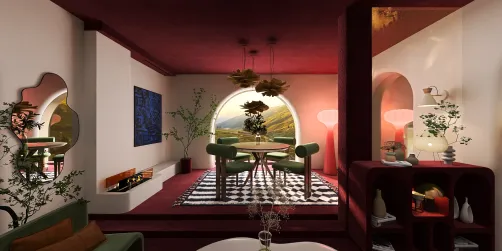
Mountain View Lounge Design
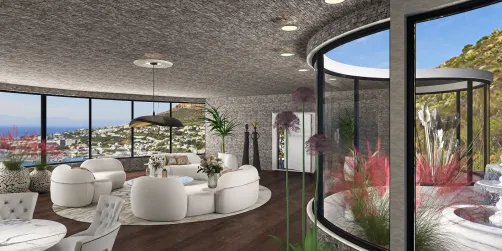
The 'Mountain View Lounge Design' represents a serene, nature-integrated living space that merges indoor comfort with panoramic outdoor scenery. Inspired by alpine architecture and biophilic principles, this scene emphasizes large windows, natural materials, and layered spatial zoning to frame mountain vistas while maintaining warmth and functionality. It transcends literal geography — serving as a universal template for any lounge or open-plan living area where connection to landscape, light, and tranquility is central. Designers leverage Homestyler AI design tools to simulate real-time daylighting, test window placements, and iterate on furniture layouts that balance openness with intimacy — making it ideal for both vacation homes and urban apartments seeking a restorative retreat aesthetic.
Design Challenges & Common Pitfalls
Key challenges in Mountain View Lounge Design include managing glare and heat gain from expansive glazing, avoiding visual clutter that competes with the external view, and ensuring functional zoning without obstructing sightlines. Many designers over-prioritize aesthetics — adding heavy drapery, oversized furniture, or excessive decor — which diminishes the core value of the view. Others neglect acoustics and thermal performance, leading to echo-prone spaces or uncomfortable temperature gradients. Additionally, scaling furniture to match high ceilings or sloped walls (common in mountain-inspired templates) often results in awkward proportions unless guided by precise interior space planning within Homestyler’s dimension-aware modeling environment.
✅ Prioritize the View as Focal Point
The mountain vista must anchor the entire composition — not compete with it. This means minimizing visual barriers: using low-profile seating, recessed lighting, transparent or reflective surfaces (e.g., glass coffee tables), and wall-mounted storage. Furniture should be arranged perpendicular or angled to maximize framed views rather than facing inward only. Neutral, earthy palettes enhance depth perception and prevent color saturation from washing out natural scenery through glass.

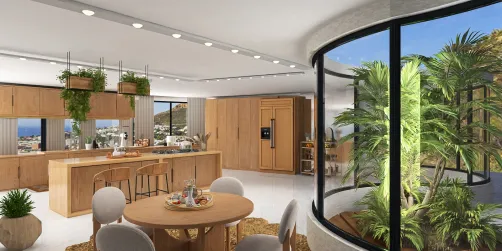
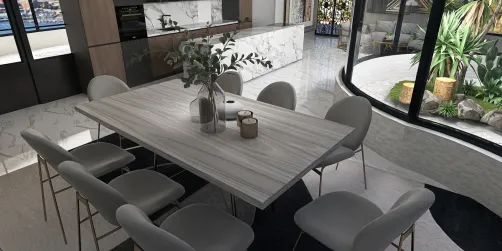
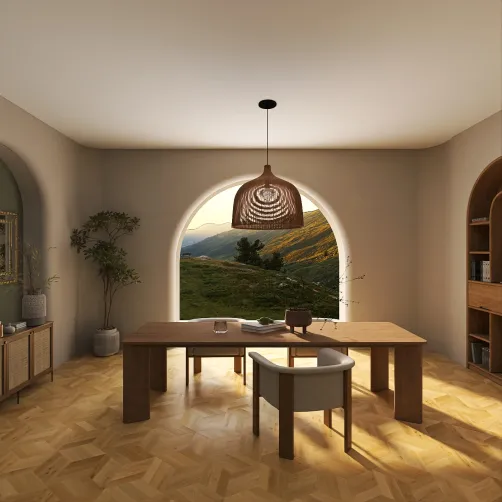
Designer sabrinik 💫 masterfully applies this principle in her 'design-ideas' lounge-dining hybrid. She positions a minimalist wooden dining table directly beneath a wide window wall, aligning its edge with the sill to extend the visual plane outward. Using Homestyler AI design tools, she tested three window curtain options — ultimately choosing sheer vertical blinds that diffuse light without blocking the frame — demonstrating how intelligent interior space planning supports both aesthetics and usability.
Start Designing Now🌿 Integrate Nature Through Material & Texture
Natural textures — reclaimed wood, stone cladding, woven rattan, linen upholstery — ground the space and reinforce the mountain narrative. Avoid synthetic finishes that feel disconnected from the outdoors. Layer tactile elements thoughtfully: a rough-hewn timber ceiling beam above smooth plaster walls, or a wool rug under a leather sofa. These contrasts evoke alpine authenticity while enhancing sensory richness — critical for spaces meant to soothe and restore.

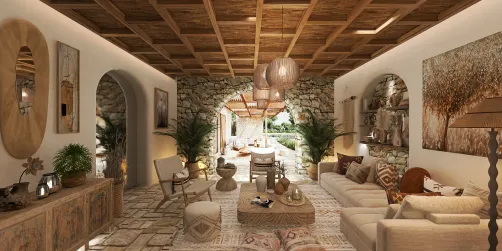
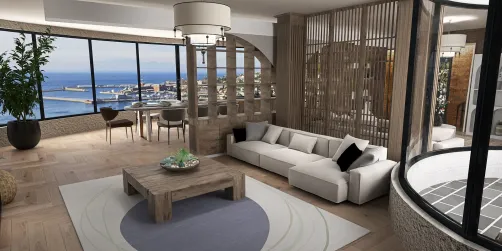
Nadezda Serdiukova’s 'Убежище изящества' (Sanctuary of Elegance) exemplifies material harmony. She wraps the fireplace surround in textured limestone and pairs it with a live-edge oak coffee table — both modeled and scaled precisely in Homestyler. Her use of Homestyler AI design tools allowed real-time shadow analysis to ensure morning light would highlight the grain of the wood at optimal angles, proving how technical precision elevates biophilic storytelling in indoor space planning.
Begin Your Free Design✨ Optimize Light Flow & Zoning
Mountain-view lounges thrive on layered lighting: ambient (recessed or cove), task (adjustable floor lamps near reading nooks), and accent (spotlights on artwork or architectural features). Spatially, define zones — conversation, contemplation, dining — using level changes, rugs, or partial screens — never full walls. Maintain at least one uninterrupted sightline from entry to vista. This requires meticulous interior space planning to avoid dead corners and ensure circulation paths support both function and framing.

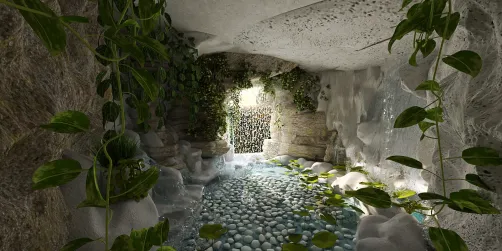
Annika K.’s 'Hidden Cave' uses Homestyler’s AI-powered zoning tools to carve an intimate lounge alcove beside a double-height window wall — achieved via subtle floor-level drop and curved built-in seating. The designer placed two directional LED spots on opposing walls to create gentle cross-lighting, eliminating glare while amplifying depth perception toward the view. This reflects advanced Homestyler design techniques where light simulation and modular layout tools converge to solve complex indoor space planning challenges.
Create Your Cozy SpaceFAQ
Q: Do I need professional architectural files to use the 'Somewhere in the mountains' or 'Viewpoint Lounge Room' templates?
No — both templates are pre-built, dimension-accurate room shells in Homestyler’s App. You can start designing immediately using drag-and-drop furniture, AI-generated suggestions, and real-time rendering.
Q: Can I submit designs created with older versions of Homestyler or third-party tools?
No. Only designs made using the official Homestyler App with tool version v4 and the two specified room templates ('Somewhere in the mountains' or 'Viewpoint Lounge Room') qualify for the Weekly Room contest.
Q: How does Homestyler AI help with interior space planning for mountain-view layouts?
Homestyler AI analyzes sightlines, simulates sun path and glare across seasons, recommends furniture scaling based on ceiling height and window placement, and auto-generates zone-appropriate lighting schemes — all critical for optimizing Mountain View Lounge Design.
Q: Are there restrictions on furniture brands or styles in the contest?
No — creativity is encouraged. However, designs must maintain functional realism (e.g., walkable pathways ≥ 90 cm, clear sightlines to windows) and align with the serene, nature-connected ethos of the theme — avoid overly industrial or chaotic arrangements that contradict the core intent of indoor space planning for tranquility.
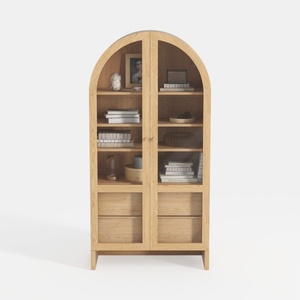
Minimalist Solid Wood Arched Display Cabinet 3D Model
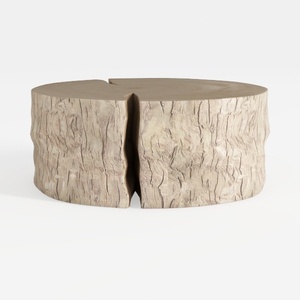
Rustic Solid Wood Split Log Coffee Table 3D Model
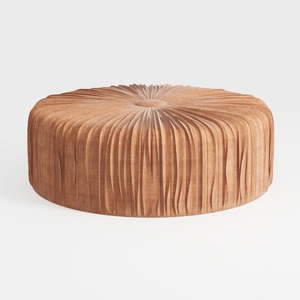
Minimalist Round Tufted Fabric Ottoman 3D Model
Homestyler offers an easy-to-use online design tool with amazing 3D renderings, inspiring interior projects, and helpful video tutorials. It’s perfect for anyone looking to create and visualize beautiful home designs effortlessly. Try it to bring your ideas to life!
Design Now for FREE