Casual Seating Area Design
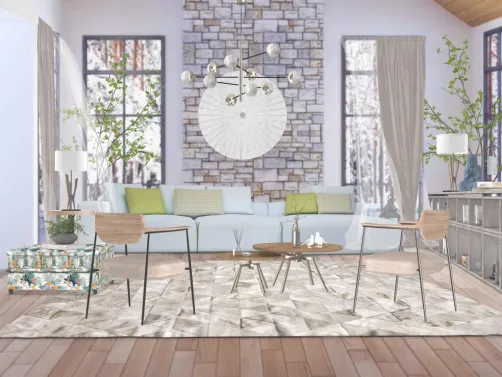
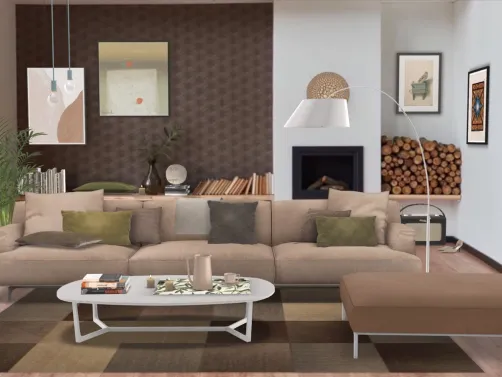
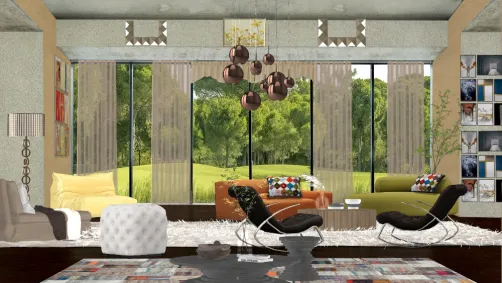
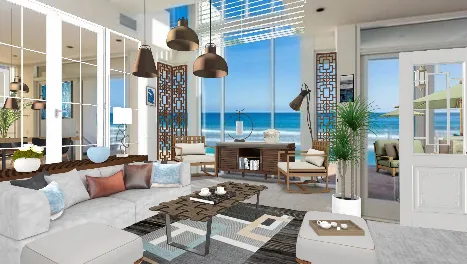
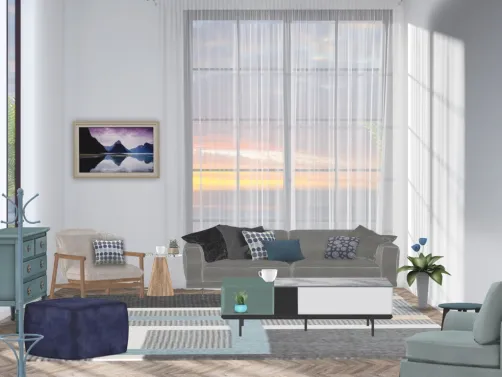
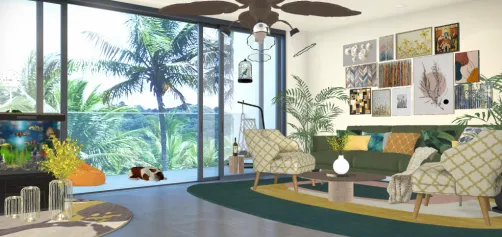
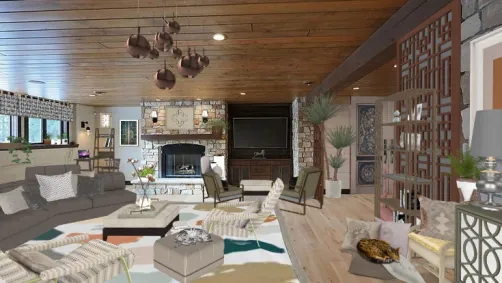
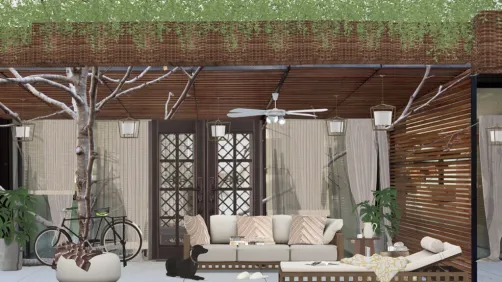
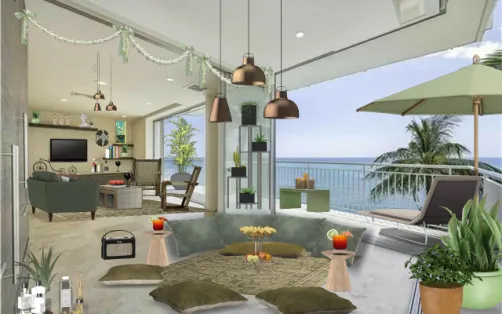
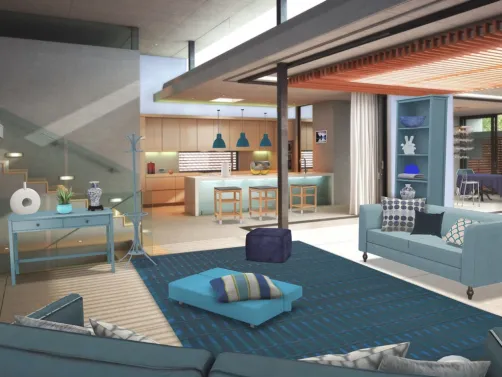
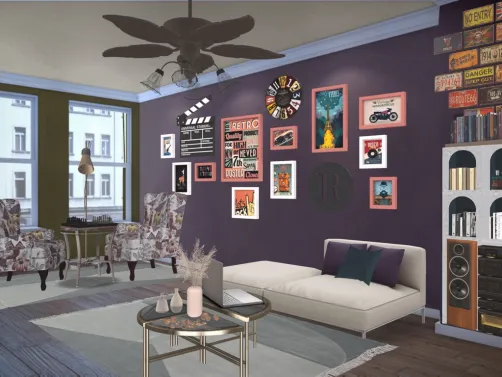
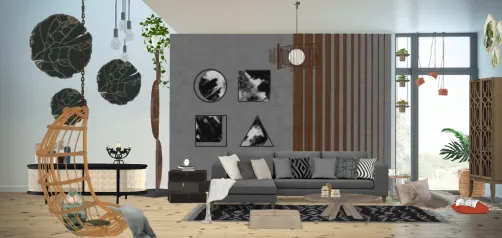
A casual seating area is a flexible, relaxed, and inviting zone designed for informal lounging, socializing, or quiet downtime—often integrated into living rooms, bedrooms, balconies, hallways, or even transitional spaces like corridors or sunrooms. Unlike formal seating arrangements, it prioritizes comfort, visual lightness, and sensory appeal (e.g., soft textures, natural light, organic shapes) over rigid symmetry or traditional furniture hierarchy. Inspired by summer aesthetics, this scene embraces floor cushions, low-profile seating, layered rugs, indoor plants, and breezy color palettes—making it ideal for both small-space optimization and indoor-outdoor fluidity. It’s not defined by room type but by function and feeling: effortless, adaptable, and human-centered—core to modern interior space planning.
Design Challenges & Common Pitfalls
Key challenges include balancing visual openness with functional definition (avoiding a 'thrown-together' look), ensuring ergonomic comfort without bulky furniture, integrating floor-based elements while maintaining traffic flow, and achieving cohesive style across mixed textures and scales—especially in compact or irregularly shaped areas. Many designers also struggle with lighting layering (relying too heavily on overhead fixtures) and neglecting acoustic softness, leading to echo-prone, uninviting environments.
✅ Prioritize Floor-Level Comfort & Flexibility
Ground the space with low-slung, modular, or movable seating—think floor cushions, poufs, ottomans, and compact lounge chairs—to encourage relaxed postures and easy reconfiguration. Use layered textiles (e.g., jute rug + cotton kilim + linen throw) to add warmth and tactile interest without visual weight. This principle supports inclusive accessibility and dynamic indoor space planning, especially in multifunctional zones.

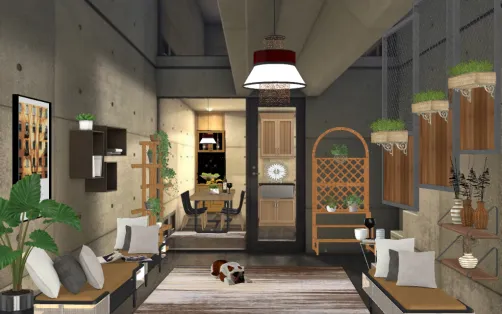
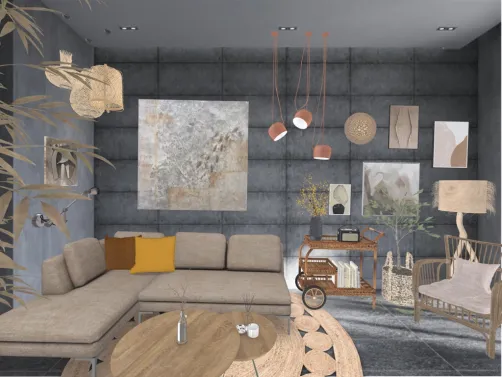
Designer ximena . applies this principle masterfully in 'pasillo'—transforming a narrow hallway into a cozy pause zone using floor cushions, a low wooden stool, and a woven wall hanging. With Homestyler AI design tools, she precisely scaled proportions to preserve walkway clearance while maximizing seated intimacy—showcasing how casual seating can elevate underutilized transitional spaces through smart interior space planning.
Start Cozy Design🌿 Embrace Light, Airy Color & Material Palettes
Opt for soft, sun-kissed tones (oatmeal, seafoam, warm white, pale terracotta) paired with natural materials like rattan, bamboo, linen, and unfinished wood. These choices enhance perceived spaciousness, reflect daylight, and evoke seasonal freshness—critical for creating breathable, low-stress environments. Avoid high-contrast combinations or overly saturated hues that visually compress the area or clash with summer’s relaxed ethos.

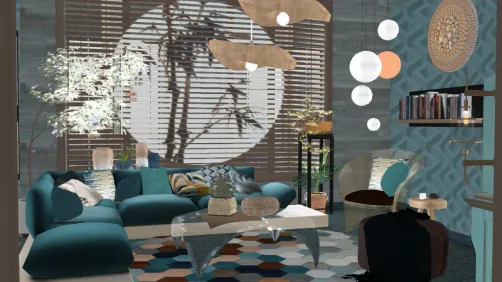
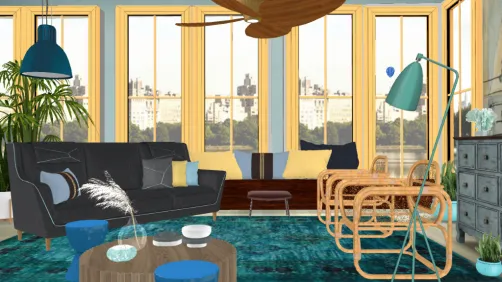
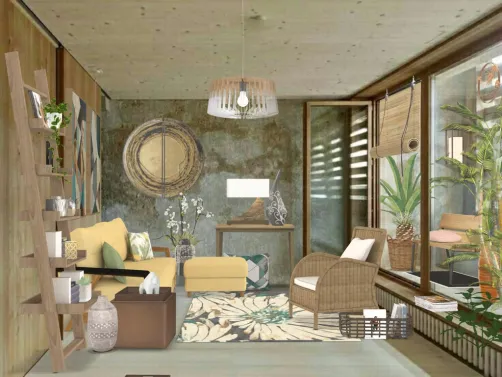
sabrinik 💫’s 'Casualmente incontrai l'Oriente' demonstrates this principle with a serene palette of sand, sage, and ivory—accented by a handwoven rattan chair and organic cotton cushions. Using Homestyler AI design tools, she simulated natural light behavior across the space, adjusting material reflectivity to maintain brightness without glare—a textbook application of Homestyler design tips for enhancing airy ambiance in compact layouts.
Begin Light Palette🌀 Define Zones Through Layered Visual Cues
Since casual seating areas often lack architectural boundaries, define them intuitively using overlapping layers: a distinct rug outline, coordinated accent lighting (e.g., a single pendant or clustered floor lamps), vertical greenery, or a curated wall vignette. These cues signal purpose and psychological enclosure—without walls or permanent fixtures—supporting versatile indoor space planning in open-concept homes.

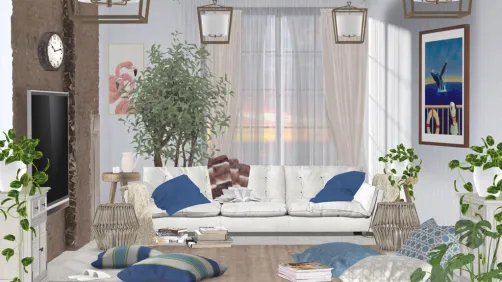
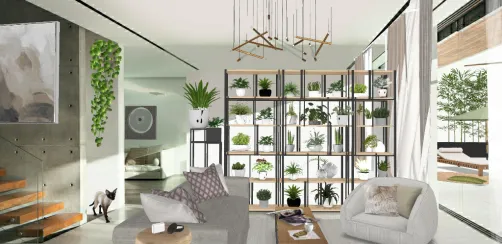
Karen Priebe’s 'Stay awhile' uses a circular jute rug, a sculptural ceramic floor lamp, and a floating shelf with trailing pothos to softly frame a corner nook—turning an otherwise generic living zone into a destination. Leveraging Homestyler AI design tools, she tested multiple rug sizes and lamp placements in real-time to achieve optimal visual anchoring, illustrating advanced Homestyler design tips for intuitive spatial storytelling.
Create Cozy NookFAQ
Q: How do I create a casual seating area in a small or awkwardly shaped room?
Use low-profile, scale-appropriate furniture (e.g., nesting ottomans, foldable floor pads) and anchor the zone with a rug that fits within 12–18 inches of all walls. Homestyler AI design tools let you simulate footprint overlays and lighting shadows—key for confident interior space planning in tight quarters.
Q: Can I mix floor cushions with traditional seating—and if so, how?
Absolutely. Pair a compact loveseat or armchair with matching-texture floor cushions at its base to extend seating horizontally. Maintain consistent color families and material weights (e.g., all natural fibers) to unify the composition— Homestyler design tips emphasize harmony over uniformity.
Q: What lighting strategies work best for casual seating areas?
Prioritize layered ambient + task + accent lighting: a dimmable ceiling fixture (ambient), a focused floor or table lamp (task), and subtle LED strip under shelves or behind plants (accent). Homestyler AI lets you preview light temperature and spread—critical for setting a warm, inviting mood.
Q: How important is acoustics—and what’s a quick fix?
Highly important: bare floors and hard surfaces kill coziness. Add at least three soft-surface elements—a thick rug, upholstered cushions, and a fabric wall hanging. This trio absorbs sound and enhances tactile comfort, directly supporting holistic interior space planning.
What began as an Autodesk innovation has evolved into a design platform used by more than 20+ million users around the globe. Homestyler combines powerful rendering, an intuitive editor, and a vast furniture library to help you turn inspiration into photorealistic designs — whether you're redesigning a single room or planning an entire home.
Homestyler offers an easy-to-use online design tool with stunning 3D renderings, a vast collection of interior design projects, and helpful DIY video tutorials—making it simple and fun to create your perfect home space.
Design Now for FREE