Cool-Toned Living Space Design
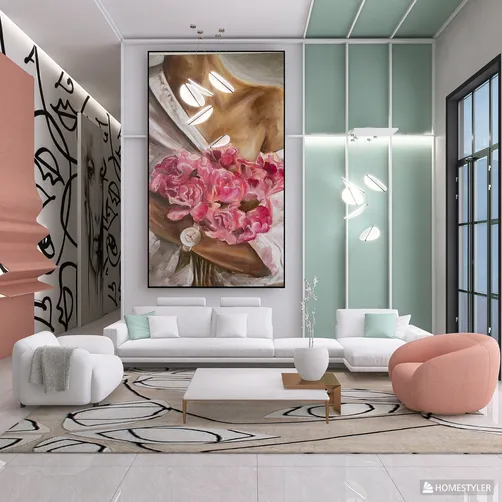
The 'Cool-Toned Living Space' refers to a versatile, multi-functional residential interior—spanning living rooms, studio apartments, dining areas, and compact lounges—designed specifically to evoke psychological coolness and visual serenity during summer. Drawing from the contest’s core theme, this scene prioritizes color psychology over strict room typology: it integrates blue, green, lavender, teal, and soft aqua as dominant hues—not merely as accents but as immersive environmental elements (e.g., color-drenched walls, monochromatic furniture families, and tonal layering). It emphasizes light-enhancing materiality (matte finishes, reflective surfaces), biophilic integration (indoor greenery, nature-view framing), and spatial breathing room—even in small footprints like the 25.2 m² Emerald Studio. Crucially, it leverages Homestyler’s real-time 3D rendering to simulate how cool palettes interact with natural light (e.g., HDR daylight presets like 'g_ljz_day' or 'o_sea_sky') for authentic indoor space planning.
Design Challenges
Common challenges include balancing cool tones without inducing visual coldness or sterility; maintaining warmth and livability through texture, lighting, and strategic accent colors (e.g., yellow, coral, or warm wood); achieving depth and dimension in small or low-ceilinged spaces where monochromatic schemes can flatten perception; and ensuring color consistency across varied materials (paint, upholstery, tile, cabinetry) under different lighting conditions—a key consideration in indoor space planning. Many entrants also struggled with integrating functional needs (e.g., photo equipment storage, craft desks, movie zones) without disrupting the serene aesthetic.
✅ Color Harmony & Layering
Prioritize a cohesive cool-toned palette using no more than three primary hues (e.g., sage green + misty blue + pale lavender), applied across walls, large furniture, and flooring to create immersion. Introduce subtle tonal variation—lighter tints on ceilings, deeper shades on feature walls—to add depth. Avoid pure saturation; opt for desaturated, dusty, or muted versions that feel calming rather than clinical. Use neutral whites and greiges—not stark bright white—as base tones to soften contrast and support color drenching.

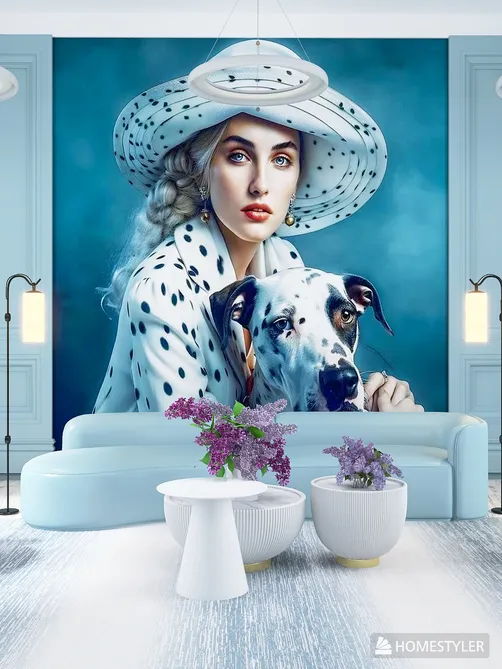
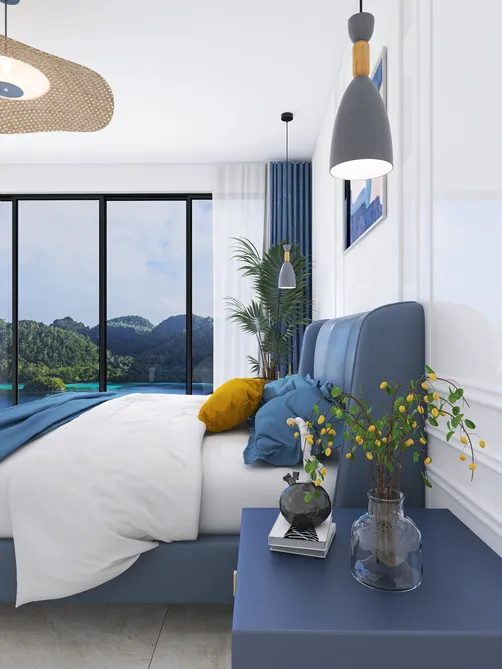
Karolina Orzoł’s 'Summer villa' exemplifies masterful color layering: she anchors the space in soft sky-blue walls and bedding, then introduces gentle contrast via a warm yellow accent pillow and sunlit wooden floor—proving cool tones need not sacrifice coziness. Using Homestyler’s 'sea_sky' HDR preset, she simulated natural daylight diffusion, allowing her to preview how the blue walls would shift subtly from morning coolness to afternoon warmth—an essential Homestyler design technique for accurate indoor space planning.
Design Your Space Now🌿 Biophilic Integration & Natural Light Optimization
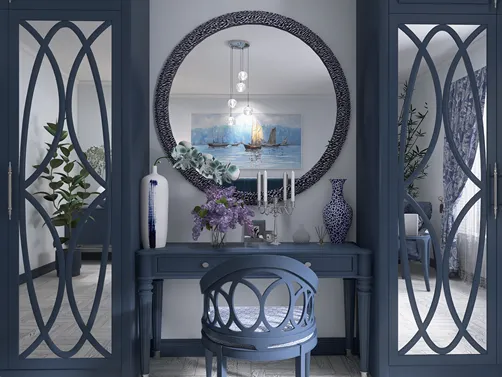
Maximize perceived freshness by connecting interiors to nature visually and texturally. Frame outdoor views with unobstructed windows; use sheer, light-filtering curtains; and incorporate live greenery (ferns, eucalyptus, trailing pothos) at multiple heights. Strategically place mirrors opposite windows to amplify light and sense of space. Select matte or satin-finish cool-toned paints and textiles to reduce glare while enhancing tactile softness—critical for comfort in summer heat.

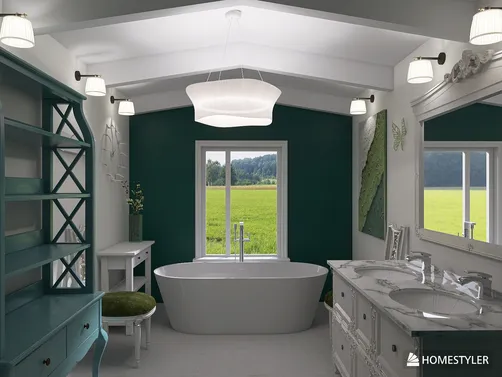
Doaa Azhari’s 'Modern Kitchen Elegance' demonstrates biophilic integration within a compact 35 m² kitchen: soft teal walls act as a calming backdrop, while potted herbs on the counter and a large window framing greenery reinforce nature connection. She used Homestyler’s 'peoples_square_night' lighting preset not just for ambiance—but to test how the teal would read under mixed artificial and ambient light, ensuring visual comfort across day and evening—a nuanced application of Homestyler design techniques for resilient indoor space planning.
Start Your Free Design🛋️ Functional Zoning in Compact Layouts
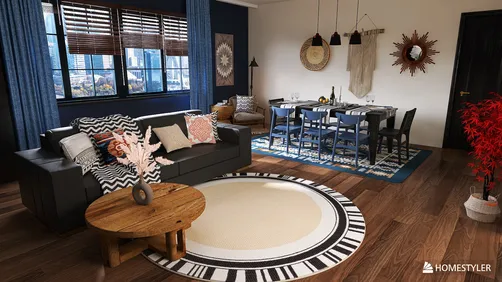
In small-footprint cool-toned spaces (e.g., studios under 35 m²), define distinct activity zones without physical barriers. Use area rugs, directional lighting (pendants over dining, floor lamps beside seating), and furniture orientation (L-shaped sofas to delineate lounge vs. dining) to imply separation. Prioritize multifunctional pieces—nesting tables, ottomans with storage, wall-mounted fold-down desks—that preserve openness. Maintain consistent cool-tone continuity across zones to avoid visual fragmentation.

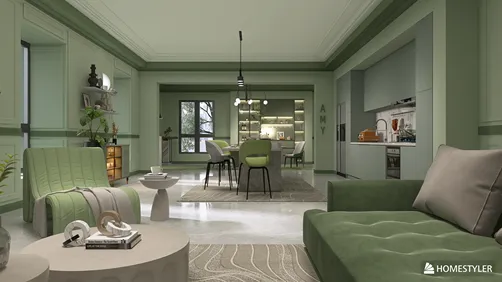
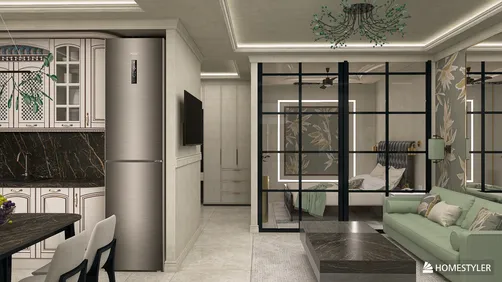
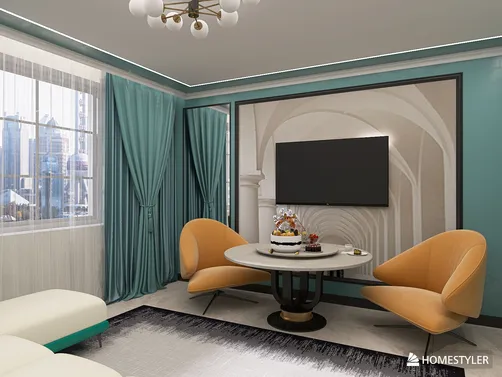
Ирина Беляева’s 'Изумрудная студия' (25.2 m² studio) applies intelligent functional zoning: a round dining table anchors the eating zone, while an L-shaped emerald-green sofa defines the lounge—both unified by the same cool-toned palette and matte finishes. She used Homestyler’s real-time 3D walkthrough to verify sightlines and circulation paths, confirming that the layout supports seamless movement between cooking, dining, and relaxing—showcasing advanced Homestyler design techniques for efficient small-space indoor space planning.
Create Your Dream RoomFAQ
Q: Do I need professional design experience to participate in the Cool Color Space contest?
Not at all! The contest welcomes designers of all levels—including beginners. Homestyler’s intuitive drag-and-drop interface and AI-powered rendering tools make it easy to experiment with cool-toned palettes, lighting presets, and furniture layouts—even without formal training in interior space planning.
Q: Can I use more than one cool color in my design?
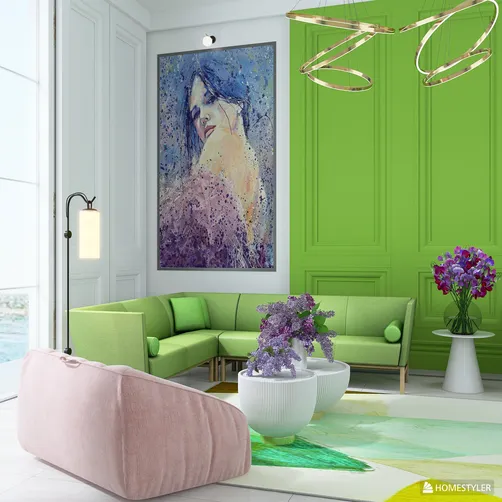
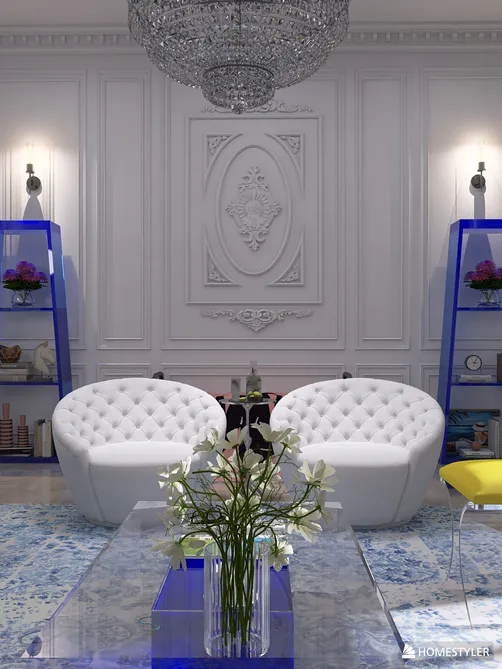
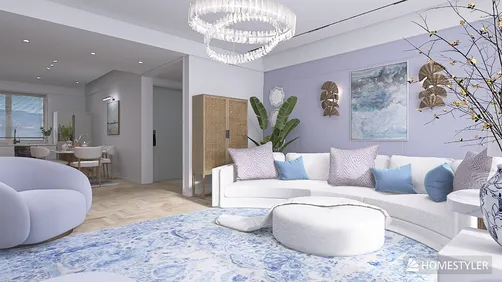
Absolutely—and it’s encouraged! Top entries like 'cool color 🤍💙🤍' (Top 5) and 'living room of photografer and crafter' (Top 1) successfully layered blue, green, and lavender with neutral whites to create depth and interest. Just ensure tonal harmony and consistent light simulation using Homestyler design techniques.
Q: How important is lighting simulation when designing a cool-toned space?
Critical. Cool colors behave differently under warm vs. cool light. Using Homestyler’s built-in HDR lighting options (e.g., 'g_ljz_day', 'o_sea_sky') helps you preview true color accuracy and avoid unintended clinical or dull effects—making lighting an essential part of your indoor space planning workflow.


sofa-Powdered Pastels

Modern Navy Velvet U Shaped Sectional Sofa 3D Model
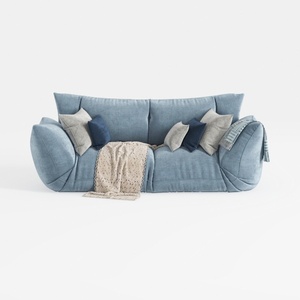
Minimalist Blue Fabric Upholstered 3 Seat Sofa With Throw Pillows Blanket 3D Model
Homestyler offers an easy-to-use online design tool, stunning 3D renderings, and a vast collection of interior design projects. With helpful DIY video tutorials, it’s perfect for anyone looking to create and visualize beautiful home interiors effortlessly.
立即免费设计