Home Study Space Design
The home study space is a multifunctional zone that serves as both a functional workspace for learning and working, and a tranquil sanctuary for mental relaxation and creative inspiration. Unlike conventional offices or classrooms, it must balance practical ergonomics with emotional resonance—offering quiet focus while reflecting personal identity, cultural roots, and aesthetic values. As highlighted in the 'Stylish Study for Web' contest, top-performing designs integrate regional heritage (e.g., Art Deco elegance, Mediterranean natural textures, or Scandinavian minimalism) with smart indoor spatial planning to create spaces that are not only efficient but spiritually uplifting.
Design Challenges & Common Pitfalls
Home study spaces often suffer from conflicting priorities: limited square footage versus growing storage needs; visual clutter versus calming minimalism; poor natural light distribution versus screen glare; and generic furniture layouts that ignore ergonomic flow. Many designers also overlook the dual psychological role of the space—failing to distinguish zones for deep work, casual reading, and mindful pause—leading to diminished concentration and reduced long-term usability.
✅ Prioritize Ergonomic Zoning & Spatial Flow
Divide the study into clearly defined functional zones—focused work (desk + task lighting), reflective reading (armchair + floor lamp + bookshelf), and transitional rest (small sofa or meditation corner)—without physical barriers. Use furniture scale, rug placement, and subtle ceiling or wall treatments to guide movement and support cognitive transitions. Homestyler Design Tips emphasize using real-time 3D rendering to simulate sightlines, circulation paths, and furniture reach zones before finalizing layout—ensuring every inch supports purposeful indoor spatial planning.

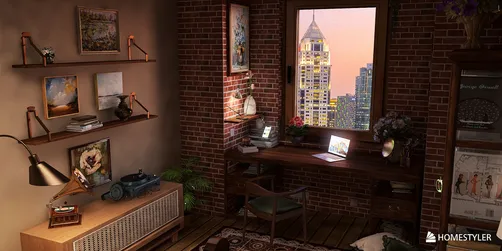
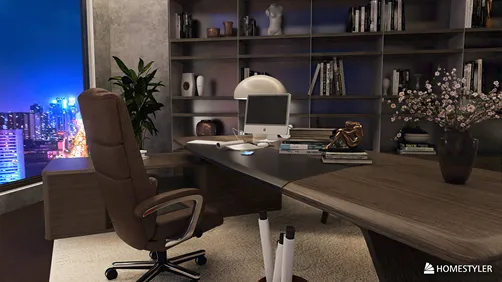
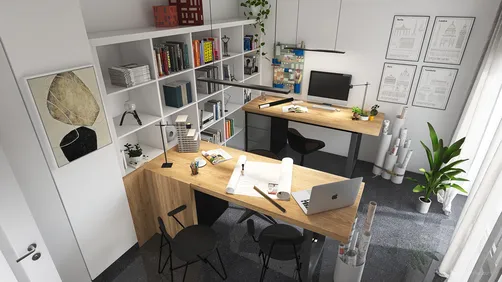
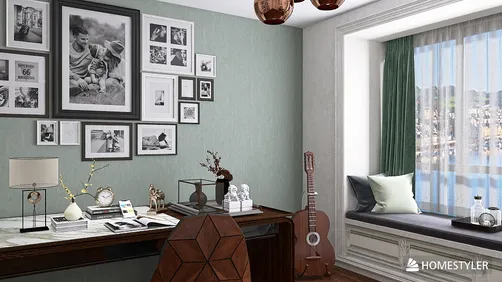
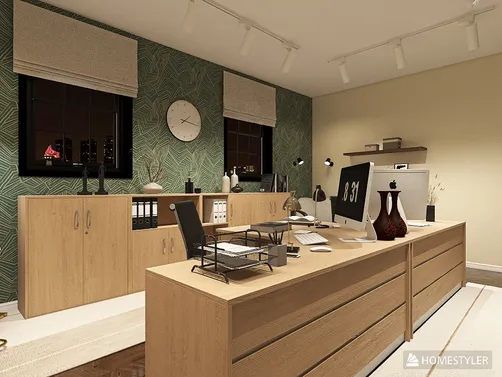
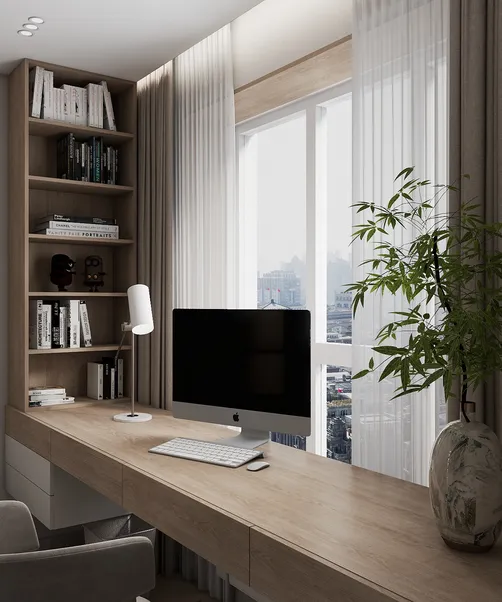
Afrah Alwy’s 'office' design demonstrates intelligent ergonomic zoning: a compact L-shaped desk anchors the primary work zone, while a floating shelf + potted plant subtly demarcates a micro-break area. Using Homestyler AI design tools, she simulated daylight angles across the day to position the desk perpendicular to the window—eliminating glare while maximizing natural illumination. This reflects expert indoor spatial planning where function and light co-evolve.
Start Your Free Design🎨 Infuse Local Character Through Material & Detail Language
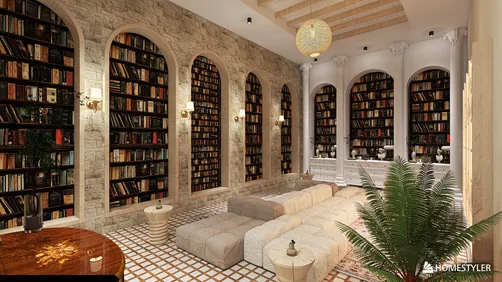
Rather than relying on clichéd motifs, express regional identity through authentic material palettes (e.g., Japanese washi paper accents, Moroccan zellige tile inserts, or Nordic pine grain), artisanal textures (hand-thrown ceramics, woven rattan, reclaimed timber), and culturally resonant proportions (low-profile seating for Zen calm, tall arched shelving for Mediterranean grandeur). These details elevate the study beyond decoration—they anchor occupants emotionally and aesthetically within their heritage.

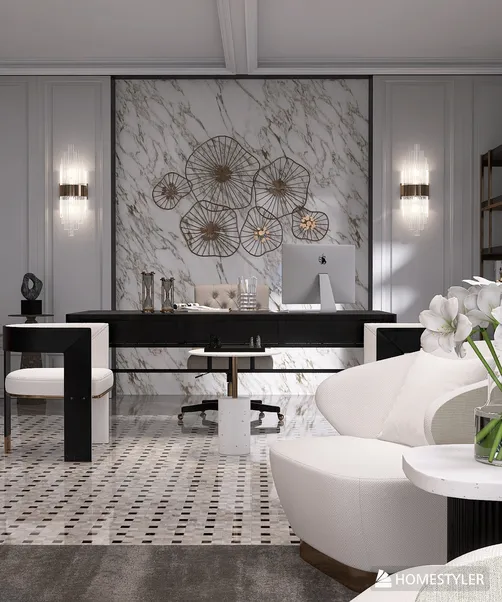
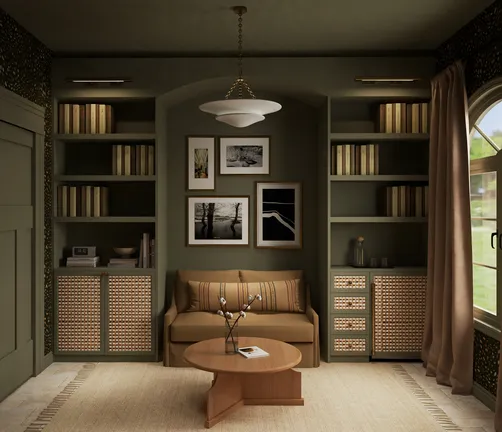
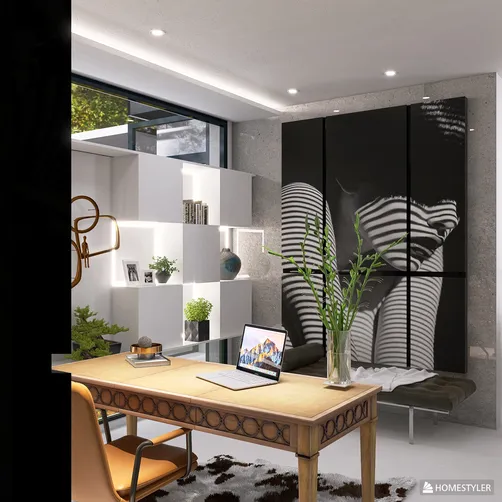
PG Studio’s 'hatred' design embeds Polish architectural nuance via bold black-and-gold contrast (echoing Warsaw’s interwar modernism) and tactile plaster wall finishes—simulated precisely using Homestyler’s HDR material editor. The designer used AI-driven texture mapping to preview how light interacts with matte vs. gilded surfaces at different times of day, ensuring cultural authenticity never compromises visual harmony—a hallmark of advanced Homestyler Design Tips.
Begin Free Design Now🌿 Optimize Biophilic Integration & Light Layering
Biophilic design goes beyond adding a single succulent—it involves layered lighting (ambient + task + accent), dynamic views (even if framed through a curated window vignette), natural material gradients (stone → wood → linen), and rhythmic greenery placement (vertical garden behind desk, trailing pothos on shelves, air-purifying snake plants near HVAC vents). This triad—light, life, texture—reduces cognitive fatigue and boosts sustained attention.

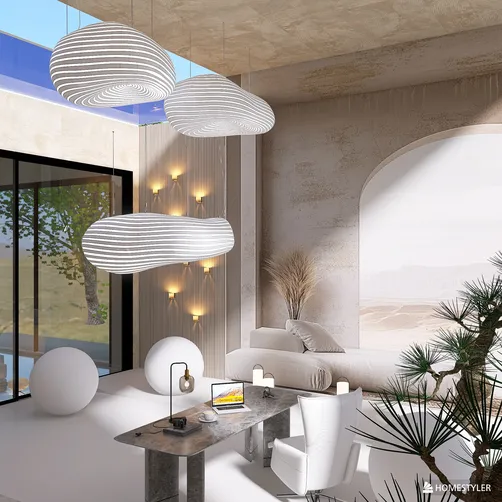
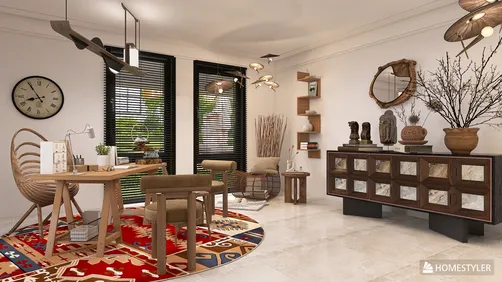
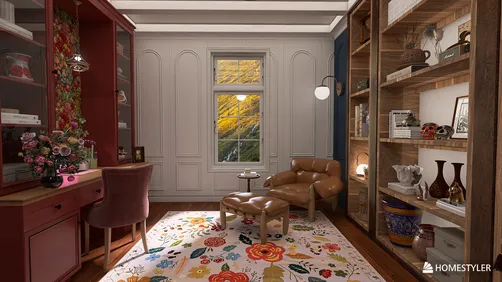
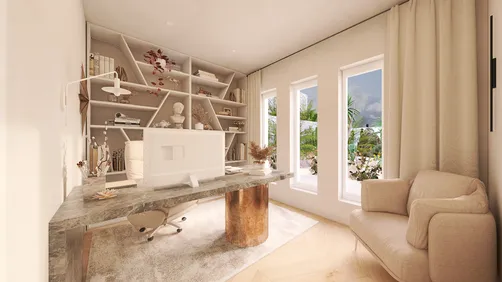
Ana’s 'women’s study | stylish study' integrates Brazilian warmth through biophilic layering: soft textile patterns echo tropical flora, a floral rug grounds the reading nook, and large windows frame greenery outside—enhanced in Homestyler’s real-time 3D view with the 'g_mountain_ledge' HDR preset to simulate golden-hour diffusion. She leveraged Homestyler AI design tools to test over 12 plant placements virtually, optimizing leaf density and pot height for optimal visual rhythm and air quality impact—showcasing sophisticated indoor spatial planning rooted in wellness science.
Create Your Free DesignFAQ
Q: How can I personalize my home study without sacrificing functionality?
Focus on modular systems—adjustable-height desks, rotating monitor arms, and wall-mounted fold-down shelves—that adapt to changing needs. Then layer personality via swapable elements: framed local art, hand-dyed textiles, regionally inspired lighting fixtures, and curated object displays. Homestyler Design Tips recommend using the platform’s drag-and-drop asset library to experiment with dozens of cultural motifs before committing—making personalization risk-free and data-informed.
Q: What’s the minimum size needed for an effective home study space?
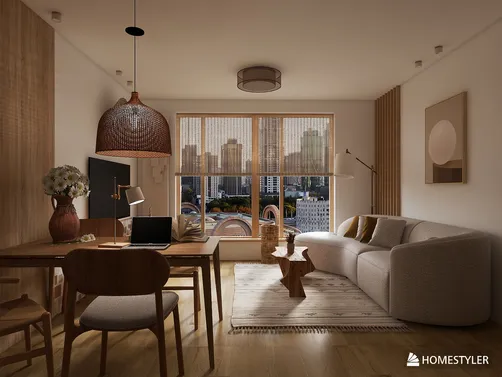
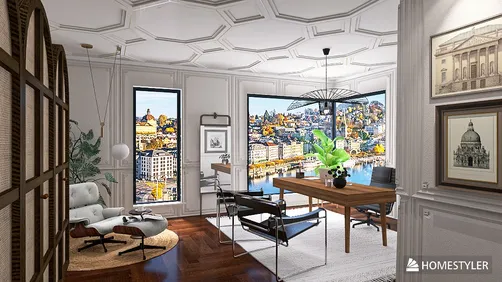
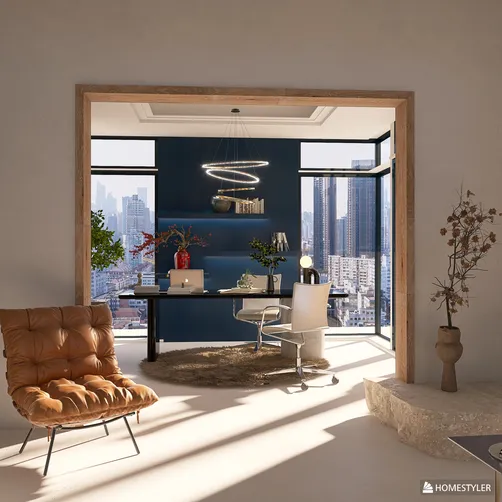
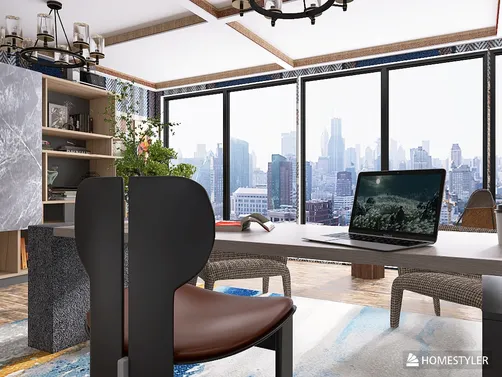
Even 12–15 sqm (≈130–160 sq ft) can succeed with vertical storage, mirrored walls to enhance perceived volume, and multi-functional furniture (e.g., ottoman with hidden storage). Top contest entries like Sofiia Soltan’s 'Stylish Study Room' prove small-scale efficacy—her 28.7 sqm design uses city-view framing and strategic greenery to expand psychological space. Indoor spatial planning here prioritizes 'zone clarity' over raw square footage.
Q: Can Homestyler AI really help me incorporate traditional culture into a modern study?
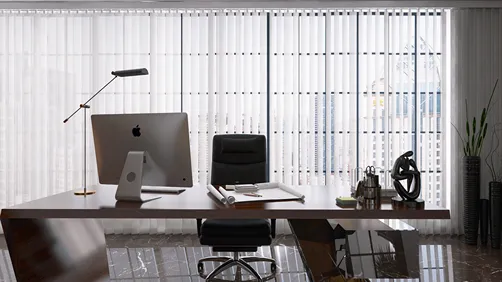
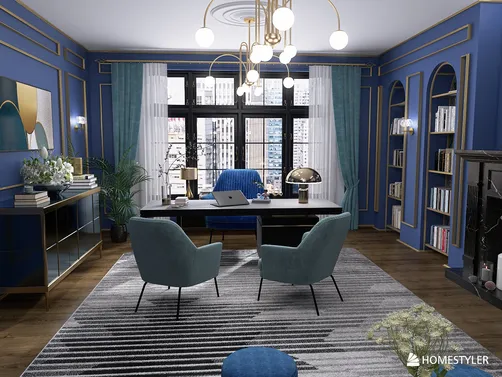
Absolutely. Homestyler’s AI-powered search allows filtering by cultural tags (e.g., 'Art Deco', 'Wabi-Sabi', 'Mediterranean'), and its real-time 3D rendering lets you instantly preview how heritage materials—like Chinese lacquer finishes or Indian jali screens—interact with modern lighting and furniture. The winning 'Art Deco Study' by kinga0602 was refined using Homestyler’s gilded molding presets and sunlight simulation—proving AI accelerates culturally grounded design decisions.

Minimalist Solid Wood Two Drawer Floating Wall Console Table 3D Model
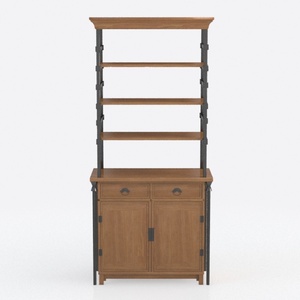
Industrial Solid Wood Metal Storage Cabinet With Open Shelves 3D Model

Modern Solid Wood Two Tone Office Desk With Storage Drawers Cabinets 3D Model
Homestyler offers an easy-to-use online design tool with stunning 3D renderings, extensive interior projects, and helpful DIY video tutorials. It’s perfect for anyone looking to create and visualize beautiful home designs effortlessly. Give your space a fresh new look today!
Projete agora para LIVRE