Home Study Space Design
The home study space is a multifunctional sanctuary that bridges intellectual activity and emotional restoration. It serves not only as a functional zone for learning, reading, and remote work but also as a personal retreat—a 'spiritual harbor' where cultural identity, aesthetic sensibility, and daily ritual converge. Unlike generic home offices, a thoughtfully designed study integrates local character—whether drawn from regional architecture, traditional craftsmanship, or natural landscapes—while prioritizing ergonomics, lighting quality, and spatial calm. This duality of purpose (practicality + poetry) defines its unique design challenge.
Design Challenges & Common Pitfalls
Home studies often suffer from conflicting priorities: insufficient storage versus visual clutter, poor natural light versus harsh artificial glare, and stylistic ambition versus spatial reality—especially in compact urban dwellings. A recurring issue is the over-prioritization of furniture aesthetics at the expense of ergonomic workflow, leading to fatigue and reduced focus. Another frequent misstep is neglecting acoustic comfort and tactile materiality—elements critical for sustained concentration and mental restoration. Additionally, designers sometimes overlook the need for layered lighting (task, ambient, accent) and flexible zoning, resulting in rigid, single-use spaces that fail to adapt to evolving needs.
Principle 1: Integrate Local Identity with Timeless Functionality 🌍
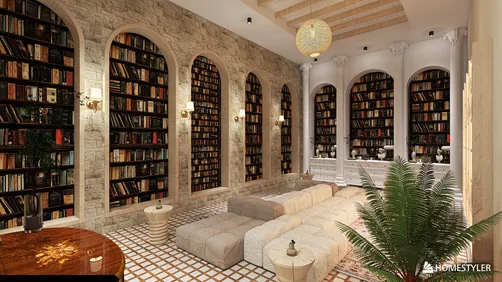
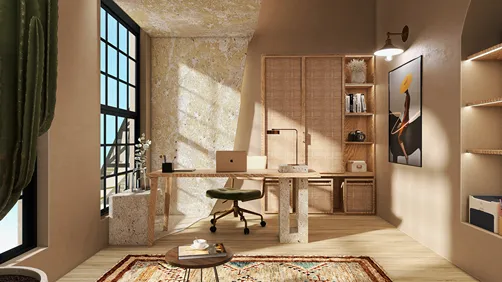
A compelling home study doesn’t mimic tradition superficially—it distills cultural essence into spatial language. This means using locally resonant materials (e.g., reclaimed timber, hand-glazed tiles, woven textiles), referencing regional architectural motifs (arched niches, latticed screens, stepped shelving), or evoking natural biomes (coastal light palettes, forest-inspired textures, desert warmth). Crucially, these elements must coexist with universal functional standards: desk height compliance (73–76 cm), 50–75 cm knee clearance, and clear circulation paths (>90 cm). The goal is harmony—not pastiche.

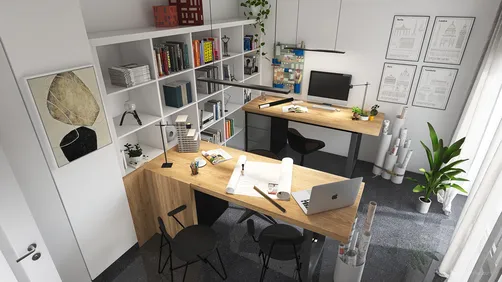
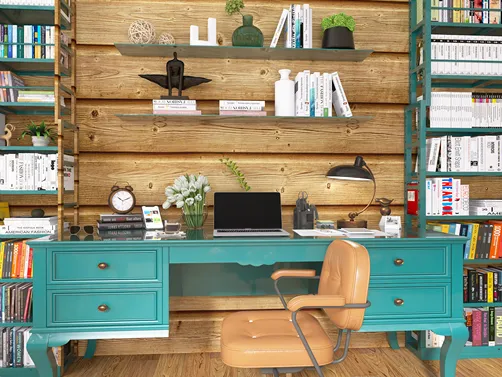
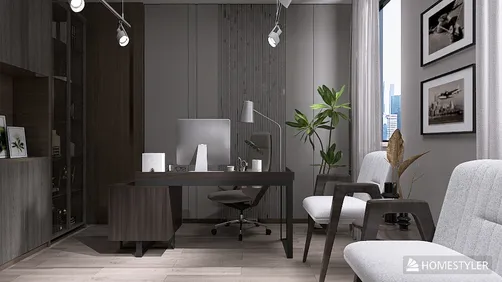
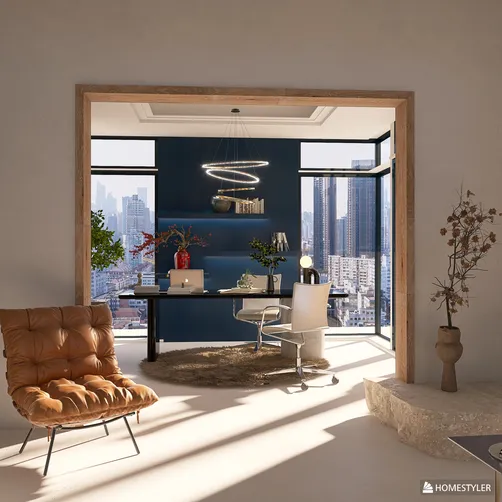
Designer Toni Sandison’s 'A Modern Workspace' masterfully balances local character (New Zealand’s emphasis on indoor-outdoor flow and minimalist material honesty) with rigorous functionality. She uses clean-lined black lacquer cabinetry and a sculptural ergonomic chair—both supporting posture and workflow—while softening form with vibrant pink accents and abundant greenery, echoing NZ’s bold natural palette. Using Homestyler AI design tools, she simulated daylight angles across seasons to position the desk perpendicular to the window—optimizing glare-free task lighting without sacrificing views. This exemplifies how interior space planning can embed cultural resonance *through* precision, not decoration.
Design Your Space NowPrinciple 2: Layer Light, Texture, and Silence 🌞
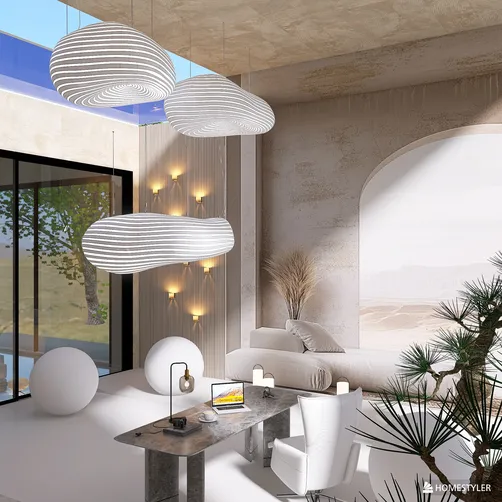
Light is the primary tool for shaping atmosphere and enabling focus. A successful study layers three types: (1) Ambient (soft, even ceiling or wall wash), (2) Task (focused, shadow-minimizing desk lamp ≥400 lux at surface), and (3) Accent (highlighting artwork, books, or textured walls). Equally vital are tactile and acoustic layers: warm, absorbent materials (wool rugs, felt panels, solid wood) dampen sound and invite touch, while smooth, cool surfaces (glass, polished metal) provide visual contrast and reflect light. This multisensory layering transforms a room from merely ‘furnished’ to truly inhabitable.

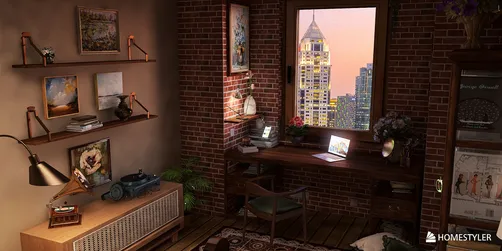
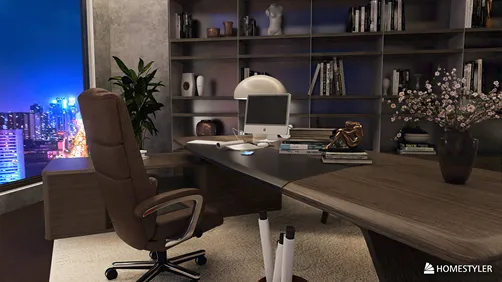
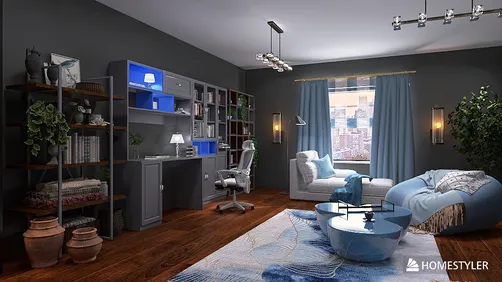
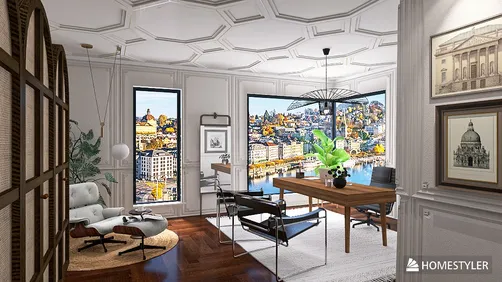
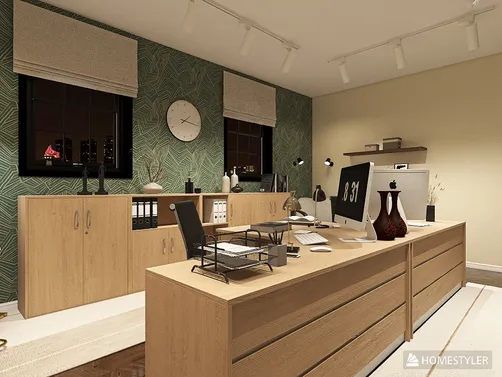
Ana’s 'sophisticated study | Stylish Study' demonstrates sophisticated light-texture interplay rooted in Brazilian urban elegance. Dark floating shelves create strong vertical accents and deep shadows—enhancing drama—while soft, diffused ambient light from recessed ceiling fixtures ensures even illumination. Her use of matte-finish wood, linen upholstery, and subtle metallic trims introduces rich tactility without visual noise. Leveraging Homestyler’s real-time 3D rendering, she iterated multiple HDR lighting presets (e.g., 'g_portland', 'g_ljz_day') to preview how natural light would interact with her material choices at different times of day—proving how Homestyler design techniques empower evidence-based sensory planning.
Start Free Study DesignPrinciple 3: Prioritize Flexible Zoning Over Fixed Furniture 🪑
Modern study usage is dynamic: one hour for video calls, the next for deep reading, then creative sketching or casual conversation. Rigid layouts—e.g., a single massive desk against a wall—stifle this fluidity. Instead, adopt modular, scale-appropriate zones: a core workstation (desk + task chair + cable management), a secondary relaxation nook (armchair + floor lamp + side table), and an adaptable display/storage spine (open shelving, pegboards, or sliding panels). These zones should be visually distinct yet physically connected—using rugs, lighting shifts, or subtle level changes—not isolated by walls or bulky partitions.

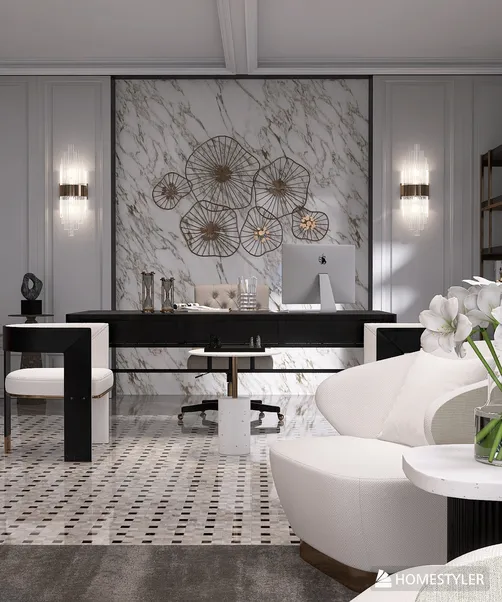
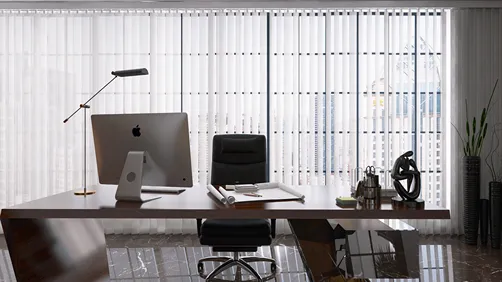
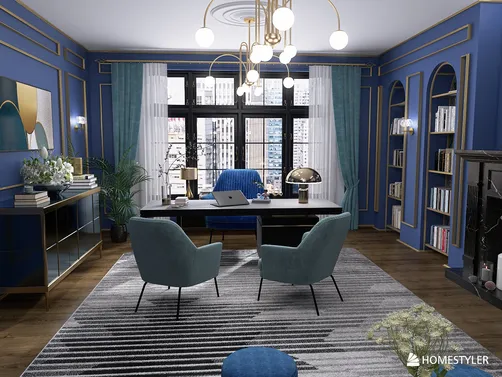
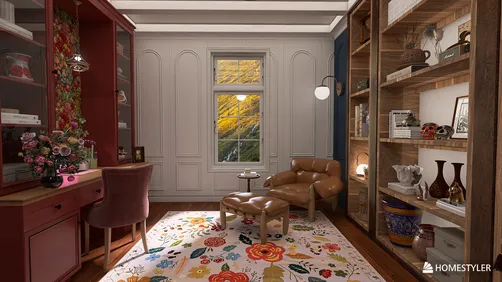
Kinga0602’s award-winning 'Art Deco Study' embodies flexible zoning within a compact footprint. Though inspired by vintage glamour, it avoids period rigidity: the sleek black lacquer desk anchors the work zone, while a plush velvet armchair and low coffee table define an adjacent contemplation zone—separated by a gilded arch motif painted on the wall, not a physical barrier. Using Homestyler’s drag-and-drop furniture library and instant 3D preview, she tested over 12 layout variations to ensure both zones offered unobstructed sightlines, ergonomic reach, and independent lighting control—showcasing how intelligent interior space planning enables richness without bulk.
Begin Stylish StudyFAQ
Q: How can I incorporate traditional cultural elements without making my study look like a museum exhibit?
Use abstraction, not replication. Instead of installing ornate carved panels, reinterpret their geometry in custom shelving brackets or laser-cut screen dividers. Rather than filling shelves with antique objects, choose contemporary pieces crafted with heritage techniques (e.g., hand-thrown ceramics, handwoven baskets). Homestyler AI design tools let you rapidly prototype these subtleties in 3D—testing scale, proportion, and material harmony before committing.
Q: My study is tiny (under 12 sqm)—how do I avoid feeling cramped while still having enough storage?
Prioritize verticality and multi-functionality: floor-to-ceiling built-in shelving with integrated desk surfaces, fold-down writing boards, or ottomans with hidden storage. Use light colors, reflective surfaces (mirrored cabinet doors), and strategic lighting to enhance perceived volume. Homestyler’s precise measurement tools and real-time 3D rendering help visualize spatial flow and confirm clearances—critical for small-space interior space planning.
Q: What’s the most effective way to improve focus and reduce eye strain in a home study?
Layer your lighting: install dimmable ambient fixtures (e.g., recessed LEDs), pair a high-CRI (≥90) adjustable task lamp directly over your desk, and add indirect accent lighting (e.g., LED strip under shelves) to reduce contrast glare. Position your monitor perpendicular to windows to avoid reflections. Use Homestyler’s sunlight simulation feature to preview sun path and shadow patterns year-round—essential for evidence-based Homestyler design techniques.
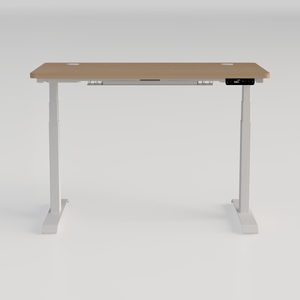
Modern Solid Wood Top Adjustable Standing Desk 3D Model

Modern Minimalist Solid Wood Metal Dining Table 3D Model

Minimalist Solid Wood Freestanding Coat Rack 3D Model
Homestyler is an easy-to-use online home design platform offering powerful 3D rendering, inspiring design projects, and helpful DIY video tutorials. It’s perfect for bringing your interior ideas to life with just a few clicks, no matter your experience level.
Zaprojektuj teraz za darmo