


Sunroom Design
A sunroom—also known as a solarium, conservatory, or glass-enclosed extension—is a transitional interior space designed to harmonize natural light, outdoor views, and daily living. Unlike conventional rooms, it functions as a sensory bridge: filtering daylight through expansive glazing, framing seasonal landscapes, and inviting biophilic elements like plants, textures, and organic materials. In contemporary interior space planning, the sunroom transcends its traditional role as a passive greenhouse—it evolves into a dynamic, multi-functional zone for relaxation, reading, socializing, or even remote work—where architecture, atmosphere, and lifestyle converge with intention.
Design Challenges & Common Pitfalls
Designing a successful sunroom presents unique spatial and environmental challenges. First, thermal regulation is critical: large glass surfaces can cause overheating in summer and heat loss in winter without proper glazing selection or shading strategies. Second, glare and UV exposure may damage furnishings and discomfort occupants if not mitigated through smart orientation, automated blinds, or UV-filtering glass. Third, spatial ambiguity often arises—many designers struggle to define the sunroom’s functional identity (e.g., is it part of the living room? A separate lounge? A hybrid greenhouse-study?), leading to underutilized or stylistically disjointed spaces. Finally, seamless integration with adjacent interiors—both visually and structurally—requires careful attention to floor-level transitions, material continuity, and proportion—key considerations in any professional interior space planning workflow.
☀️ Prioritize Light Quality Over Quantity
Maximizing daylight isn’t about installing wall-to-wall glass—it’s about curating *how* light enters, diffuses, and transforms throughout the day. Top-performing sunrooms use strategic glazing placement (e.g., clerestory windows for indirect north light, operable roof vents for cross-ventilation), layered shading (retractable awnings + sheer linen drapes), and reflective interior surfaces (light-toned walls, polished concrete floors) to soften harsh rays and extend usable daylight hours. Homestyler design tips emphasize using the platform’s ‘Sunlight Simulation’ tool to preview hourly light paths across seasons—enabling precise window sizing and furniture zoning before construction.

Rirri Turtakova’s 'The Sun-Drenched Solarium' exemplifies light curation: instead of overwhelming glazing, she uses tall, narrow vertical windows paired with recessed ceiling skylights to deliver gentle, shadow-rich illumination. Using Homestyler AI design tools, she simulated midday sun angles across March–September—adjusting curtain opacity and rug placement to maintain visual comfort. Her approach reflects advanced interior space planning: light is treated not as an input, but as a design material.
Design Your Sunroom Now🌿 Integrate Nature as Structural Language
Plants, natural textures, and organic forms shouldn’t be decorative afterthoughts—they should inform layout, materiality, and circulation. Successful sunrooms embed nature structurally: raised planter beds double as seating dividers; living green walls regulate humidity and acoustics; timber beams echo branch patterns; and stone flooring grounds the space with tactile earthiness. Homestyler design tips recommend leveraging the platform’s ‘Material Palette Generator’ to auto-match wood grains, stone veining, and plant species based on regional climate tags—ensuring botanical and architectural harmony from concept stage.

Annie Audette’s 'GLASS-HOUSE PROJET646' treats flora as infrastructure: a continuous L-shaped planter wraps two glazed walls, hosting mature olive trees whose canopies filter afternoon light while anchoring the seating zone. Using Homestyler’s AI-powered ‘Plant Integration Tool’, she tested over 12 native species for height, shade density, and seasonal variation—selecting drought-tolerant varieties that thrive indoors without supplemental lighting. This embodies intentional interior space planning where ecology shapes architecture.
Start Your Cozy Project🪞 Anchor Transitions with Material Continuity
A sunroom’s power lies in its duality—indoor comfort meets outdoor immersion. That duality collapses when material breaks occur at thresholds: abrupt floor-height changes, clashing trim profiles, or mismatched wall finishes fracture the spatial narrative. Best practice is to carry key materials across the threshold—e.g., same wide-plank oak flooring extending from living room into sunroom; identical baseboard profiles; consistent ceiling height and finish. Homestyler design tips highlight using the ‘Seamless Room Merge’ feature to unify adjacent zones in one model—ensuring accurate lighting calculations and unified material application across structural boundaries.

Rebecca Laghi’s 'Casa nel sole in montagna' achieves seamlessness by extending the living room’s herringbone oak floor and white-washed brick wall cladding directly into the sunroom—eliminating visual thresholds. She used Homestyler’s ‘Multi-Zone Material Sync’ to lock flooring and wall textures across both spaces, then ran thermal simulation to confirm no condensation risk at the junction. Her method proves how Homestyler design tips empower precision in interior space planning—turning transition zones into cohesive experiential narratives.
Create Your Green OasisFAQ
Q: Do I need architectural drawings to enter the 'Sunhouse in My Home' challenge?
No— Homestyler’s intuitive drag-and-drop interface and AI-assisted modeling tools let you create photorealistic sunroom designs from scratch, even without CAD experience. Just select your base floorplan or start with an empty canvas.
Q: Can I submit multiple designs using different Homestyler AI features?
Yes! The contest allows up to 4 submissions per user (aligned with the toolLimits:[4] parameter). You’re encouraged to experiment with HDR environment swaps, sunlight sliders, and AI-generated furnishing suggestions across entries.
Q: How important is seasonal storytelling in judging?
Critical. As stated in the contest description, top entries ‘blend architecture, atmosphere, and seasonal storytelling’. Judges look for intentional cues—like autumnal foliage in render backgrounds (g_autumn_park), spring gardens (g_spring_garden), or mountain vistas (g_mountain_ledge)—that reflect how the space evolves with time and weather—a hallmark of sophisticated interior space planning.
Q: Are real-world build constraints considered during evaluation?
No. This is a conceptual design challenge focused on spatial narrative, aesthetic sensitivity, and creative use of Homestyler design tools—not structural feasibility. Your design is judged on emotional resonance, light orchestration, and nature integration—not engineering compliance.

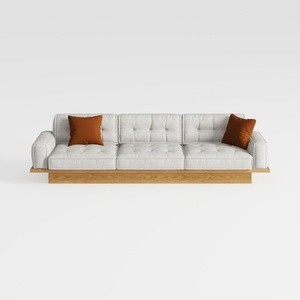
Modern Solid Wood Frame Tufted Fabric Three Seat Sofa 3D Model
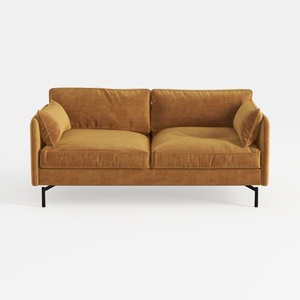
Modern Velvet Upholstered 2 Seater Sofa With Black Metal Legs 3D Model
Homestyler offers an easy-to-use online design tool with stunning 3D renderings, plenty of interior design projects, and helpful DIY video tutorials. It’s perfect for turning your home design ideas into reality effortlessly and creatively.
Design Now for FREE





