


Playful Multi-Functional Living Space Design
The 'Playful Multi-Functional Living Space' refers to a residential interior zone intentionally designed to support diverse, joyful, and interactive activities — beyond conventional static functions. Unlike traditional rooms defined by single-purpose use (e.g., 'living room' or 'study'), this scene embraces fluidity: it may serve as a music corner by day, a family game zone in the evening, a creative DIY studio on weekends, or a relaxed social nook for friends — all within one cohesive environment. It prioritizes emotional resonance, personal expression, and adaptive usability, making 'play' not an activity but a design philosophy embedded in spatial layout, material choice, color psychology, and smart furniture integration. This concept aligns with modern indoor space planning trends that value flexibility, well-being, and lifestyle-driven functionality over rigid zoning.
Design Challenges and Common Pitfalls
Designing playful multi-functional spaces often faces three key challenges: (1) Spatial conflict — overlapping activities (e.g., playing instruments vs. quiet reading) risk acoustic and visual interference; (2) Visual clutter — layering multiple functions without hierarchy can dilute aesthetic coherence and reduce perceived spaciousness; (3) Scalability mismatch — failing to accommodate users of different ages, abilities, or group sizes (e.g., solo hobbyist vs. family of four) leads to underutilized or frustrating layouts. These issues are especially acute in compact urban apartments, where indoor space planning must maximize versatility without sacrificing comfort or clarity.
✅ Prioritize Zoning Through Visual & Functional Cues
Rather than relying solely on walls or furniture to separate zones, use layered cues: varied flooring materials (e.g., soft rug for lounge, durable vinyl for play), ceiling-height lighting (pendants for dining, adjustable track lights for craft areas), and strategic color blocking. This supports intuitive navigation and activity recognition while preserving openness — essential for effective indoor space planning in mixed-use environments.

Nita style’s 'creative space' uses a bold central table as an anchor, flanked by distinct seating clusters (two chairs for conversation, a bench for casual gathering) and a warm pendant light overhead — all within one open-plan apartment. She leverages Homestyler design tools to simulate material transitions and lighting intensity, ensuring each functional node feels intentional yet connected. This exemplifies how zoning-by-cue replaces physical barriers, enhancing flexibility without fragmentation.
Start Free Design Now🎨 Infuse Personality Through Curated Color & Texture Palettes
Color and texture are not decorative afterthoughts — they’re emotional conductors. Select a base palette (e.g., warm neutrals) for stability, then introduce 2–3 expressive accent hues tied to specific functions: teal for focus (desk zone), terracotta for warmth (lounge), lemon yellow for energy (play corner). Combine tactile contrasts — smooth lacquered surfaces, nubby wool rugs, matte ceramics — to enrich sensory engagement and reinforce spatial identity across the playful multi-functional living space.

Arant’s 'Entretenidos, el domingo en familia' integrates soft pastel walls, a vibrant patterned rug beneath a shared table, and hand-painted ceramic accents — all harmonizing across work, play, and rest zones. Using Homestyler AI design tools, she tested dozens of color combinations in real-time rendering, selecting tones that uplift mood without overwhelming young eyes. Her approach proves how personality-driven palettes unify functionally diverse areas while supporting emotional safety and joy.
Begin Your Free Design🛠️ Embed Flexibility via Modular & Dual-Purpose Furniture
Choose pieces engineered for transformation: nesting tables, ottomans with hidden storage, wall-mounted fold-down desks, or sofa beds with integrated shelving. Prioritize lightweight, castor-equipped items for effortless reconfiguration. In small-footprint settings, dual-purpose elements — like a bookshelf doubling as a room divider *and* display for children’s art — dramatically expand utility per square meter, making indoor space planning both intelligent and inclusive.

Scarlett Evans’ 'Music room' features a wall-mounted pull-out keyboard stand, a convertible desk-to-bar-height surface, and acoustic panels disguised as framed artwork — all simulated and optimized using Homestyler design tools. Her design shows how modular thinking transforms a modest window-side nook into a dynamic hub for practice, listening, and social jam sessions — proving flexibility isn’t about size, but intentionality.
Launch Free DesignFAQ
Q: How can I balance 'playful' energy with everyday practicality in a shared living space?
Use activity-based anchors: assign one consistent visual motif per core function (e.g., musical notes on a feature wall for sound-related use, illustrated tool silhouettes for DIY zones). This satisfies psychological need for predictability while leaving room for spontaneous reinterpretation.
Q: Which Homestyler design tools are most effective for testing multi-functional layouts before committing?
Leverage the 'Real-Time Lighting Simulator' to assess glare and ambiance across time-of-day scenarios, the 'Furniture Swap AI' to instantly compare modular configurations, and the 'Material Overlay Tool' to preview texture interactions — all critical for robust indoor space planning.
Q: Can playful multi-functional design work in rental apartments with limited renovation options?
Absolutely. Focus on non-permanent solutions: peel-and-stick floor decals for zone definition, freestanding acoustic baffles, magnetic wall grids for rotating art/tools, and weighted curtains for soft partitioning. Top entries like 'Cowboys dreams' and 'Patio Chill Out🖤🍸🖤' prove high-impact playfulness needs no structural change.


Vintage Metal Multi Tiered Plant Stand 3D Model

Minimalist Solid Oak Wood Freestanding Bookshelf with Drawers 3D Model
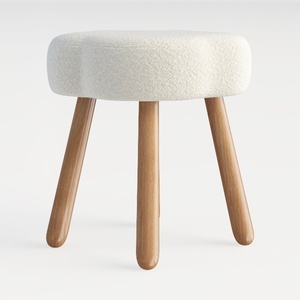
Minimalist Boucle Wooden Ottoman 3D Model
Homestyler offers an easy-to-use online design tool with stunning 3D renderings, inspiring interior projects, and helpful DIY video tutorials. It’s perfect for bringing your home design ideas to life, whether you’re a beginner or a seasoned decorator.
Design Now for FREE





