Emoji-Themed Children's Room Design
The Emoji-Themed Children's Room is a vibrant, emotionally expressive interior space designed specifically for young occupants. Drawing inspiration from World Emoji Day and the universal language of digital expression, this scene transforms traditional children's rooms into joyful, personality-rich environments. It emphasizes color psychology, playful spatial storytelling, and age-appropriate functionality—blending whimsy with practicality. Leveraging Homestyler’s real-time 3D rendering and emoji model library, designers can rapidly prototype expressive layouts, test emotional impact through visual tone (e.g., yellow for joy, red for energy), and optimize indoor space planning for safety, accessibility, and developmental needs.
Design Challenges and Common Pitfalls
Key challenges include balancing visual exuberance with functional clarity—overloading walls or furniture with emojis can cause sensory fatigue or distract from spatial orientation. Poor scale integration (e.g., oversized emoji decals on small walls) disrupts proportion; inconsistent color palettes undermine emotional coherence; and neglecting ergonomics (e.g., placing emoji-themed storage out of reach) compromises usability. Additionally, many designers underutilize Homestyler’s AI-powered furniture arrangement tools to simulate child-height sightlines or traffic flow—leading to inefficient indoor space planning in compact rooms.
🎯 Prioritize Emotional Clarity Through Strategic Emoji Placement
Emojis should function as intentional emotional anchors—not decorative clutter. Select 2–4 core emojis that reflect the child’s personality or developmental theme (e.g., 🌈 for creativity, 🛏️+😊 for restfulness) and place them at key visual nodes: above the bed (calm focus), near the reading nook (curiosity), or on closet doors (playful identity). Avoid scattering; instead, cluster meaningfully using Homestyler’s grouping and alignment tools to reinforce spatial hierarchy and support intuitive wayfinding for young users.

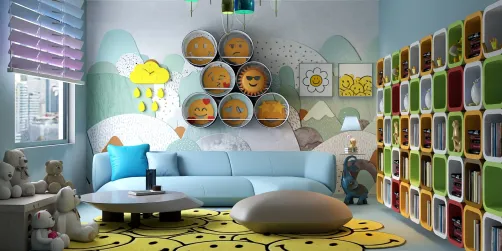
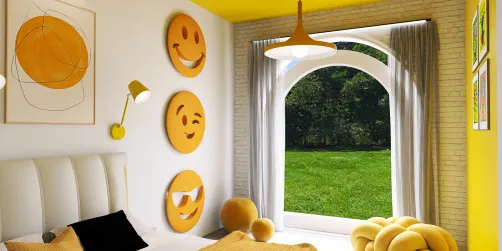
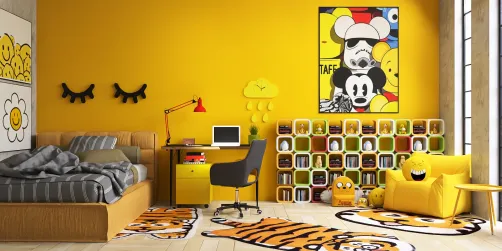
Daniela Schanglies’ design uses emoji-like cartoon characters as emotive focal points—positioned symmetrically above the bed and integrated into shelving—achieving emotional clarity without visual noise. She leveraged Homestyler AI design techniques to auto-align models to wall grids and preview real-time lighting effects, ensuring emoji elements remain legible and soothing under natural daylight—a masterclass in intentional indoor space planning.
Start Free Design🎨 Maintain Chromatic Harmony with a 60-30-10 Color Framework
Apply the 60-30-10 rule: 60% dominant background (e.g., soft yellow or mint walls), 30% secondary hue (e.g., coral bedding or rug), and 10% accent color carried by emoji elements (e.g., blue smileys on yellow walls). This ensures vibrancy stays grounded and supports cognitive calm—critical for children’s focus and sleep hygiene. Homestyler’s color-swap tool allows instant A/B testing of palette combinations while preserving emoji placement logic across variants.

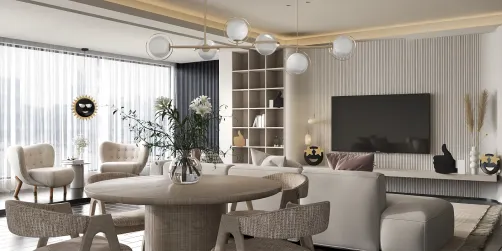
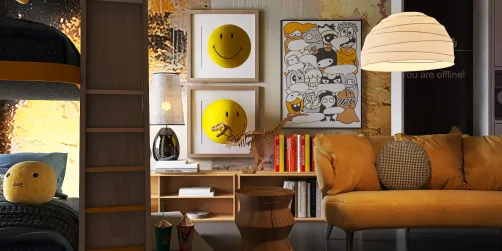
Marilena Valerio’s 'Project by Mary' applies chromatic harmony precisely: 60% warm white walls, 30% peach-toned textiles, and 10% high-contrast emoji cushions and wall decals in primary colors. Using Homestyler’s material library and real-time rendering, she iterated saturation levels to avoid glare—demonstrating how disciplined color strategy elevates both aesthetic appeal and functional comfort in children’s room design.
Begin Your Free Design📐 Optimize Spatial Flow with Child-Centered Ergonomic Zoning
Divide the room into three ergonomic zones: Sleep (bed + nightlight), Play (floor mat + low shelves), and Learn (desk + wall-mounted chart). All furniture must comply with child-scale dimensions (e.g., desk height 20–22”, chair seat 11–13”). Use Homestyler’s measurement overlay and AI furniture arrangement to simulate movement paths, validate clear floor space (>36” circulation), and position emoji-themed storage within easy reach—ensuring every element supports developmental autonomy and safe indoor space planning.

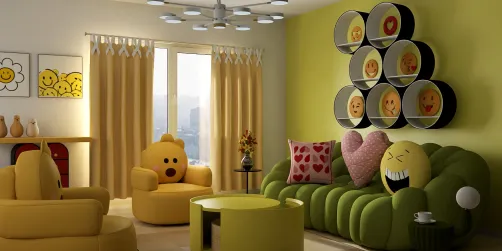
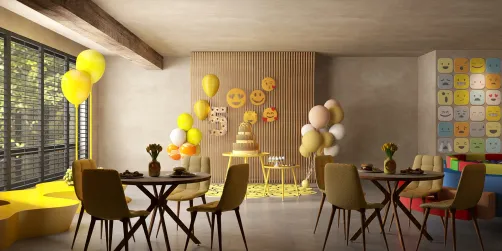
Jenny Resurreccion’s 'Something funny.' design exemplifies child-centered zoning: a compact desk zone with emoji-labeled bins at knee height, a cushioned play mat anchored by emoji-print rug, and overhead mobiles aligned with crib sightlines. She used Homestyler AI design techniques—including auto-clearance checking and dynamic scaling—to verify all emoji-integrated furniture met safety standards and supported natural movement patterns—proving how smart indoor space planning enables expressive yet responsible design.
Try Free Design NowFAQ
Q: How do I prevent emoji decor from looking childish or unbalanced in a long-term children’s room?
Use age-adaptable emoji elements—e.g., removable wall decals instead of permanent murals, or modular shelving with interchangeable emoji-shaped baskets. Focus on timeless emotional themes (joy, curiosity, calm) rather than trend-dependent icons. Homestyler’s version history lets you save ‘growing-up’ iterations, supporting sustainable indoor space planning.
Q: Can Homestyler’s AI tools help me test emoji visibility for toddlers versus preschoolers?
Absolutely. Use Homestyler’s ‘Eye-Level View’ toggle set to 24” (toddler) or 36” (preschooler) to preview emoji placement accuracy and legibility. Combine with lighting simulation to ensure contrast meets WCAG 4.5:1 minimum—key for inclusive design and effective Homestyler design techniques.
Q: What’s the best way to integrate emojis without compromising storage or safety in small children’s rooms?
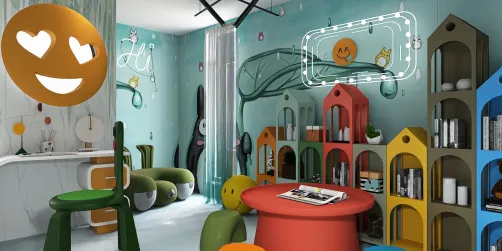
Prioritize dual-function emoji elements: ottomans with emoji fabric lids, under-bed storage with emoji pull-tabs, or wall-mounted bookshelves shaped like friendly faces. Always validate clearances and weight limits in Homestyler’s physics-mode simulation—this is essential for robust indoor space planning in compact footprints.
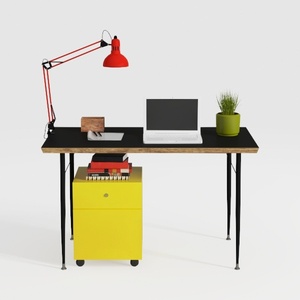

Modern Solid Wood Metal Office Desk with Rolling Cabinet 3D Model

Modern Yellow Fabric Upholstered Platform Bed 3D Model

Modern Multifunctional Solid Wood Daybed with Upper Storage Cabinets 3D Model
Homestyler offers an easy-to-use online design tool with stunning 3D renderings, plenty of inspiring interior projects, and helpful DIY video tutorials to bring your home design ideas to life effortlessly. Perfect for anyone looking to create beautiful spaces.
Projete agora para LIVRE