


Intimate Living Space Design
The 'Intimate Living Space' is a universal residential interior scenario centered on emotional resonance rather than decorative clichés. Inspired by the Homestyler 'Home of Love' design challenge, this scene transcends Valentine’s Day symbolism to focus on spatial intimacy — where layout, light, material texture, and sensory flow work in harmony to evoke connection, tenderness, and quiet romance. It applies equally to living rooms, shared lounges, or compact dual-purpose zones in apartments, emphasizing human-centered indoor space planning that fosters warmth, safety, and mutual presence.
Design Challenges & Common Pitfalls
Designing for intimacy often clashes with practical constraints: limited square footage may force compromises in circulation; overuse of romantic motifs (e.g., hearts, red palettes) risks visual cliché rather than emotional authenticity; poor lighting layering fails to support both functional use and mood-driven moments; and rigid furniture arrangements can inhibit spontaneous interaction. A key pitfall is prioritizing 'aesthetic romance' over spatial psychology — forgetting that true intimacy emerges from how people move, pause, gather, and breathe within a space.
Design Principles
✨ Human-Scale Layouts
Prioritize proximity without crowding: arrange seating to encourage face-to-face conversation (optimal distance: 1.2–2.4m), use low-profile furniture to maintain visual openness, and avoid centering the room around TV-only orientation. Intimacy thrives in clusters — think L-shaped sofas with adjacent armchairs, not symmetrical rows. This principle supports intuitive indoor space planning that invites lingering and shared attention.

Anne Stadel’s 'Valentines Day living Room' exemplifies human-scale layout using Homestyler AI design tools: she positions a compact sofa-and-armchair cluster near a sunlit window, leaving ample floor space for movement while maintaining conversational intimacy. The AI-assisted floorplan optimization ensured balanced traffic flow and sightline continuity — a hallmark of thoughtful indoor space planning and advanced Homestyler design techniques.
Design Your Space Now🕯️ Layered & Emotional Lighting
Go beyond ambient overheads: combine task lighting (e.g., reading lamps), accent lighting (to highlight art or textures), and ambient washes (soft uplighting or indirect LED strips). Use dimmers and warm CCT (2700K–3000K) to modulate mood across time — bright mornings for clarity, golden evenings for tenderness. Lighting is the silent narrator of emotional depth in any intimate living space.

Beth M’s 'Romantic Surprise ✨❤️🌹🎈🕯️' leverages Homestyler’s HDR lighting presets (moonlit_golf) and AI-generated night-time renderings to craft an evocative evening ambiance. She layers candle-like pendant lights above a dining nook, integrates recessed cove lighting along shelving, and uses strategic shadows to deepen spatial perception — demonstrating how Homestyler design tools translate abstract emotional intent into photorealistic, atmospherically rich interior space planning.
Light Up Your Design🌿 Tactile & Biophilic Material Language
Intimacy is felt through touch and association: integrate soft textiles (velvet cushions, wool throws), natural materials (wood grain, stone accents, rattan), and biophilic elements (live greenery, organic shapes, floral motifs used subtly). Avoid cold, reflective surfaces dominating the field of view. Material choices should invite touch, calm the nervous system, and whisper continuity between nature and nurture — essential for emotionally grounded indoor space planning.

Cecilia Botha’s award-winning 'Home of Love' applies Homestyler’s AI-powered material library to harmonize tactile contrasts: smooth oak flooring underfoot, nubby linen upholstery on deep-seated sofas, and trailing pothos in matte ceramic pots. Her use of g_ljz_day HDR lighting enhances wood grain warmth and leaf translucency — proving how Homestyler design techniques elevate biophilic storytelling and reinforce emotional resonance through material language.
Feel the Warmth CreateFAQ
Q: Do I need professional design experience to join the 'Home of Love' contest?
Not at all! Homestyler’s AI interior design tools guide beginners step-by-step — from floorplan generation to lighting simulation and photorealistic rendering. The contest celebrates emotional intention over technical perfection.
Q: Can I submit multiple designs using different Homestyler AI features?
Yes — the contest allows up to 4 submissions per user (aligned with toolLimits:[4]). You can explore varied approaches: one using AI style transfer, another with AI-powered furniture auto-placement, and more — all part of mastering Homestyler design techniques.
Q: How does 'intimacy' translate into measurable indoor space planning criteria?
Key metrics include conversational distance (1.2–2.4m), sightline clearance (no obstructions between primary seating), surface accessibility (≥70% of seating within 1m of a side table), and circulatory width (≥90cm pathways). Homestyler’s measurement and collision-detection tools help validate these intuitively.
Q: Are there restrictions on room types for the 'Home of Love' challenge?
No — the theme embraces any interior space expressing emotional connection: living rooms, bedrooms, balconies, studio lofts, or even transitional zones like entryways or stair landings. What matters is how your indoor space planning articulates intimacy through spatial language, not square footage or function.
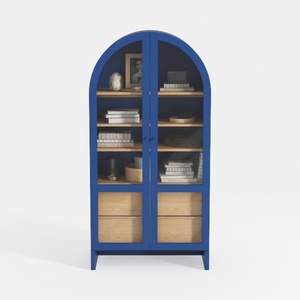
Modern Blue Frame Solid Wood Arched Glass Display Cabinet 3D Model
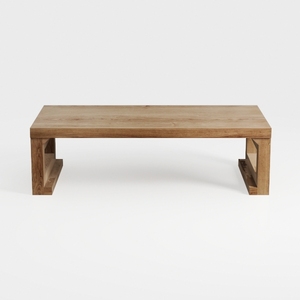
Bed Table Bed Desk Living Room Simple and Creative
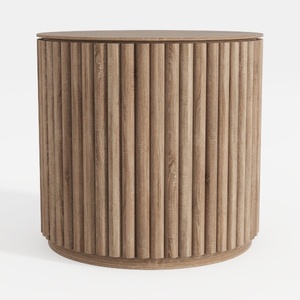
Minimalist Fluted Solid Wood Round Side Table 3D Model
Homestyler is an easy-to-use online home design platform offering powerful 3D rendering, a vast collection of design projects, and helpful DIY video tutorials. It’s perfect for bringing your interior ideas to life with creativity and confidence.
Design Now for FREE





