Harmonious Living Space Design
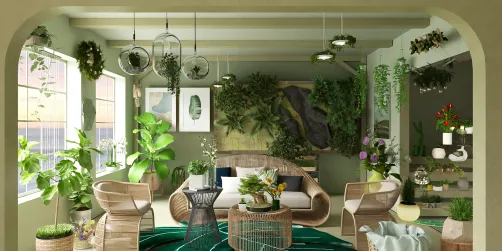
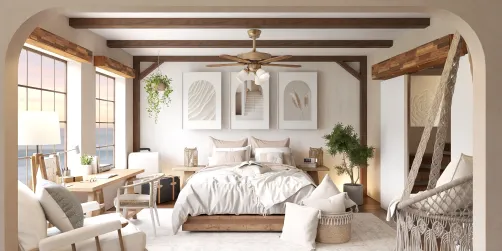
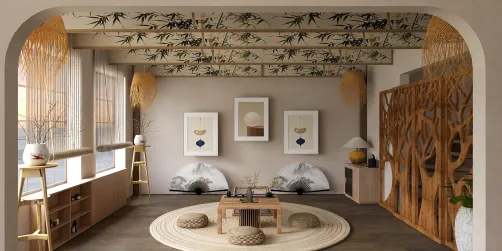
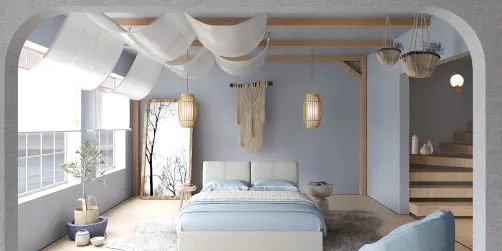
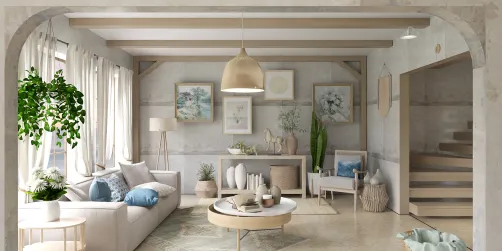
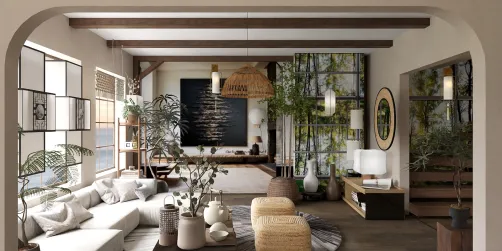
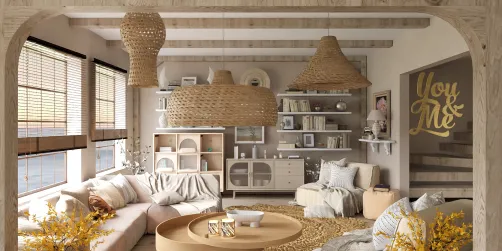
The 'Harmonious Room' contest centers on creating balanced, serene, and functionally cohesive living environments — not limited to a single room type, but unified by principles of spatial harmony, natural light integration, biophilic elements (e.g., greenery, organic textures), and stylistic coherence across zones. This scene transcends traditional room categories (e.g., living room or bedroom) to represent a holistic interior space where comfort, aesthetics, and intelligent layout converge — ideal for modern residential interiors seeking emotional resonance and daily livability. It emphasizes indoor spatial planning that prioritizes flow, proportion, and sensory calm, making it especially relevant for multi-functional open-plan homes or wellness-oriented dwellings.
Design Challenges & Common Pitfalls
Achieving true harmony in a living space is deceptively complex. Common challenges include: (1) Overcrowding layouts with furniture that disrupts circulation and visual breathing room; (2) Ignoring natural light dynamics — placing key functional zones away from windows or using window treatments that block daylight; (3) Inconsistent material palettes or clashing color temperatures (e.g., warm wood + cool-toned metals without intentional contrast); (4) Neglecting acoustics and tactile variety, leading to flat, impersonal spaces; and (5) Underutilizing digital tools like Homestyler AI design tools for real-time 3D validation of scale, lighting, and furniture arrangement before execution. These issues directly undermine the core goal of harmonious interior space planning.
✅ Prioritize Natural Light & Visual Flow
Natural light is the cornerstone of a harmonious space — it enhances mood, defines zones organically, and reduces reliance on artificial lighting. Always position seating, work, and relaxation areas to maximize daylight exposure. Maintain unobstructed sightlines between key zones (e.g., living-to-dining or living-to-kitchen) to reinforce spatial continuity. Use reflective surfaces (mirrors, glossy finishes) and light-toned materials to amplify brightness and create perceived openness. Homestyler’s real-time 3D rendering allows instant simulation of sun angles and shadow patterns across time-of-day — enabling precise placement of windows, mirrors, and translucent partitions for optimal luminosity.

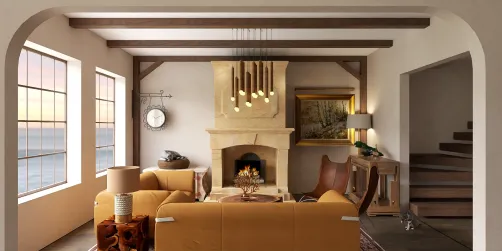
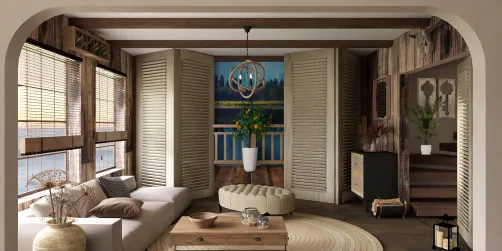
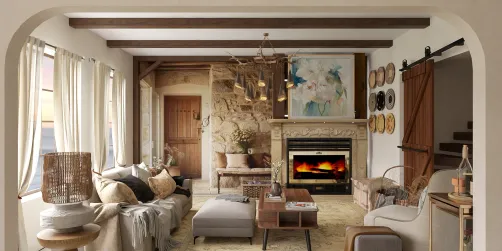
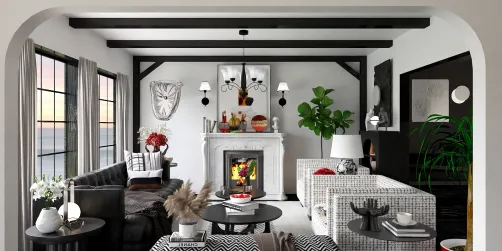
Amanda Chalwade’s award-winning 'Harmonious Living Space' (Top 3) exemplifies this principle: she positions the rustic fireplace as a warm anchor while aligning the sofa, armchairs, and coffee table along the primary window axis — ensuring daylight bathes the main seating zone. Using Homestyler’s real-time 3D rendering, she validated sightlines and light diffusion across the entire footprint, confirming that no furniture blocks cross-ventilation or natural illumination paths — a masterclass in indoor spatial planning with AI-powered precision.
Start Free Design Now🌿 Integrate Biophilic Elements Thoughtfully
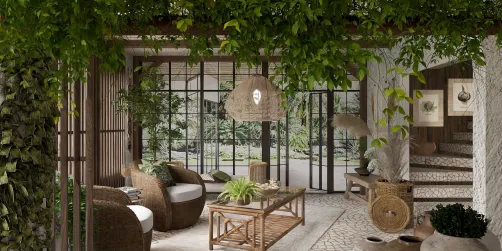
Biophilia — humanity’s innate connection to nature — is essential for emotional harmony. Go beyond potted plants: incorporate natural materials (wood, stone, linen, rattan), organic shapes, layered greenery (floor plants, hanging vines, botanical wall art), and nature-inspired color palettes (earthy neutrals, ocean blues, forest greens). Avoid tokenism: distribute greenery at multiple heights and integrate natural textures into both large-scale (floors, walls) and small-scale (cushions, trays) elements to create depth and authenticity. Homestyler’s AR virtual furniture placement helps preview how live plants interact with light, scale, and adjacent furnishings before purchase or installation.

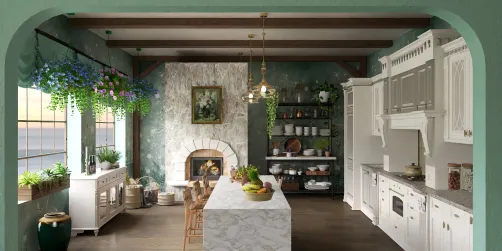
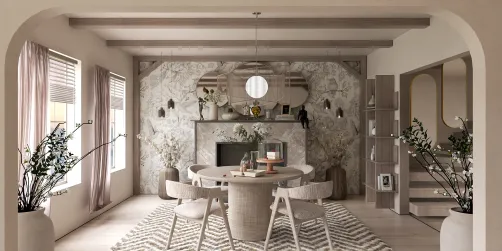
Kelly Rodriguez’s modern dining area (featured in the contest) uses biophilic harmony with intention: marble wall accents echo natural stone strata, while curated greenery — a sculptural fiddle-leaf fig beside the credenza and herb planters on the marble island — adds life without clutter. She leveraged Homestyler’s AI design tools to test multiple plant species’ visual weight and shadow impact under simulated daylight, ensuring each green element enhanced rather than competed with the architecture — a refined application of biophilic interior space planning.
Begin Free Design Today🎨 Curate a Unified Material & Color Narrative
Harmony emerges not from uniformity, but from narrative cohesion. Select 3–4 core materials (e.g., oak wood, brushed brass, linen, matte ceramic) and 3–5 tonal colors (e.g., warm white, charcoal, sage, terracotta) that recur meaningfully across furniture, finishes, textiles, and decor. Use contrast purposefully — pair rough with smooth, matte with reflective — but ensure all elements share an underlying warmth, texture language, or craftsmanship ethos. Homestyler’s material library and one-click style transfer enable rapid iteration of finishes across entire rooms, accelerating the discovery of a resonant, unified palette.

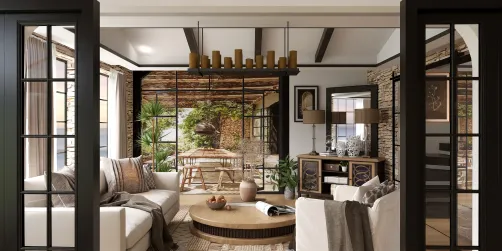
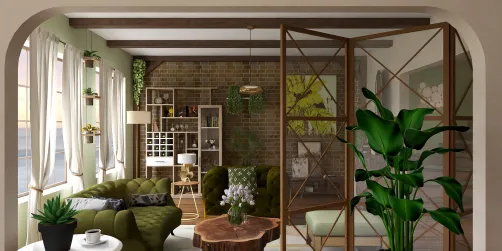
Karmen Mercedes Álvarez Brizuela’s modern rustic living room demonstrates cohesive material storytelling: the green upholstered sofa echoes the leafy tones in her wall art and potted monstera, while the raw-edge wooden coffee table anchors the palette alongside linen cushions and woven jute rug. Using Homestyler’s real-time 3D rendering, she swapped dozens of fabric swatches and wood stains virtually — locking in a palette where every hue and grain felt intentional and interdependent. This is interior space planning elevated by Homestyler design techniques.
Launch Free Design SessionFAQ
Q: What does 'Harmonious Room' mean in practical interior space planning terms?
It means designing a space where layout, light, materiality, color, and function operate in concert — not as isolated features. Think zoning without walls, daylight as a design element, and furniture that supports movement, rest, and connection equally.
Q: Can I use Homestyler AI design tools for small apartments or irregular floor plans?
Absolutely. Homestyler’s smart furniture arrangement and AR virtual placement features excel in constrained or asymmetrical spaces — helping you test compact sofas, fold-away tables, and vertical gardens to maximize harmony without sacrificing square footage.
Q: How do top designers use Homestyler to achieve harmony faster?
They leverage real-time 3D rendering to simulate light at different times, instantly swap materials/colors across entire scenes, and validate traffic flow with animated avatars — turning weeks of trial-and-error into hours of confident, data-informed decisions.
What began as an Autodesk innovation has evolved into a design platform used by more than 18 million people around the globe. Homestyler combines powerful rendering, an intuitive editor, and a vast furniture library to help you turn inspiration into photorealistic designs — whether you're redesigning a single room or planning an entire home.
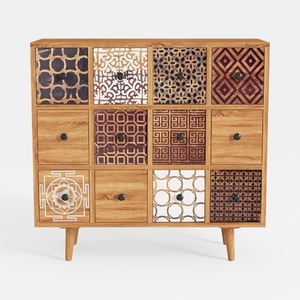
Bohemian Solid Wood Multidrawer Accent Cabinet With Patterned Fronts 3D Model

Minimalist Terracotta Concrete Round Side Table 3D Model
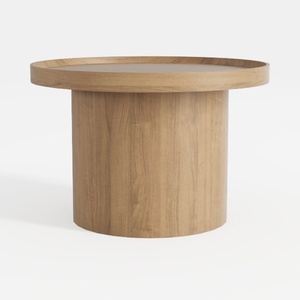
Minimalist Solid Oak Round Coffee Table 3D Model
Homestyler offers an easy-to-use online home design tool combined with impressive 3D rendering and a large collection of interior projects. With helpful DIY video tutorials, it’s perfect for inspiring and creating your dream space effortlessly.
Design Now for FREE