


Cozy Winter Shelter Design
The 'Cozy Winter Shelter' design scene reimagines compact, nature-integrated living spaces optimized for cold-season comfort and emotional warmth. Unlike conventional indoor rooms, this scenario merges architectural shelter with atmospheric intimacy—emphasizing thermal insulation, layered textures, soft lighting, and biophilic elements (e.g., indoor greenery, wood finishes, and views to snow-dusted landscapes). It transcends traditional camping by treating the shelter as a fully realized interior space: a micro-architecture where spatial efficiency, material tactility, and sensory calm converge. This scene is highly relevant to modern indoor space planning—especially for tiny homes, mountain cabins, pop-up retreats, or even urban apartments seeking winter-ready ambiance.
Design Challenges & Common Pitfalls
Designers often struggle with balancing visual coziness against functional realism: overusing warm tones can flatten depth; insufficient layering leads to flat, dollhouse-like renders; and neglecting thermal logic (e.g., window placement for passive solar gain or insulation cues) undermines believability. Another frequent issue is scale misjudgment—furniture that feels oversized in tight shelters, or missing transitional zones (e.g., entry vestibules to buffer cold air). Additionally, many entries underutilize Homestyler’s AI design tools to auto-generate context-aware material pairings or lighting simulations—resulting in static, unresponsive interiors that lack seasonal narrative cohesion.
✅ Prioritize Thermal Layering & Material Warmth
Thermal layering means visually communicating insulation through material depth—not just color. Use plush rugs over hardwood, textured wool throws on sofas, timber-clad walls with visible grain, and double-glazed windows with condensation hints. Warmth should be tactile *and* optical: matte surfaces absorb light softly, while subtle metallic accents (e.g., brass lamp bases) reflect ambient glow without glare. This principle supports intelligent indoor space planning by guiding users’ perception of comfort before physical interaction.

Designer Daniela Schanglies applies thermal layering masterfully in her cottage courtyard scene: exposed timber framing, layered linen curtains, potted evergreens near glazed doors, and warm-toned stone flooring—all rendered with Homestyler AI’s material diffusion tool to enhance texture realism. Her use of natural daylight streaming through multi-pane windows reinforces passive heating logic, making this not just a cozy image but an intelligible winter shelter prototype.
Start Cozy Design✨ Maximize Spatial Perception in Compact Footprints
In small winter shelters, perceived spaciousness comes from strategic sightlines, vertical layering, and reflective surfaces—not square footage. Use wall-mounted furniture, mirrored or glossy cabinet fronts, ceiling-height shelving, and recessed lighting to lift ceilings visually. Avoid cluttering lower zones; instead, anchor spaces with low-profile seating and elevate decor (e.g., hanging planters, pendant lights). This aligns directly with effective indoor space planning—transforming constraints into intentional rhythm and flow.

Nita style demonstrates spatial perception mastery in her compact apartment living room: a low-slung sofa paired with a floating TV unit creates clean horizontal lines; the crystal chandelier draws eyes upward; and large windows + sheer curtains amplify depth. Using Homestyler Design Tips, she applied AI-generated lighting presets for ‘soft winter noon’—enhancing brightness without washing out textures—proving how smart tool use elevates small-space storytelling.
Free Winter Home Plan🌿 Integrate Nature Without Compromising Indoor Integrity
Winter shelter design must invite nature *in*, not just frame it *out*. This means embedding biophilic elements indoors: live moss walls, dried botanical arrangements, wood-and-stone composite surfaces, and nature-mimicking patterns (e.g., birch-print wallpaper, pinecone-shaped hardware). Crucially, these elements must feel purposeful—not decorative afterthoughts. Windows should act as living picture frames; skylights should channel winter light angles; and ventilation systems should hint at fresh-air exchange—even in static renders. This approach strengthens holistic indoor space planning by unifying ecology and interior function.

Maura Bonini’s children’s cottage room blends nature and nurture seamlessly: a built-in bunk bed wrapped in reclaimed pine, wall-mounted herb planters above the reading nook, and hand-painted forest murals that extend beyond the frame. She leveraged Homestyler’s AI object recognition to auto-place age-appropriate, non-toxic greenery—and used seasonal lighting filters to cast long, gentle shadows mimicking late-winter sun. Her work exemplifies how Homestyler Design Tips turn conceptual biophilia into actionable, emotionally resonant interior space planning.
Begin Natural SpaceFAQ
Q: How can I simulate realistic winter lighting in Homestyler without advanced rendering plugins?
Use Homestyler’s built-in ‘Seasonal Lighting Presets’ (found under Lighting > Environment Settings). Select ‘Winter Morning’ or ‘Overcast Afternoon’ to auto-adjust color temperature, shadow softness, and directional intensity—then fine-tune with AI-powered ‘Light Bounce Simulation’ to see how light reflects off wool rugs or timber walls.
Q: Are there Homestyler AI shortcuts for generating winter-appropriate material palettes?
Yes—activate ‘Style Match AI’ in the Materials panel, upload a reference image of a snowy landscape or log cabin interior, and select ‘Warm Minimalist Winter’. The tool will generate 5 coordinated, physically plausible material sets (flooring, wall, textile, accent, finish) optimized for thermal contrast and visual harmony.
Q: Can Homestyler help me validate spatial flow for a tiny winter shelter layout?
Absolutely. Use the ‘Pathway Heatmap’ feature (under Analysis Tools) to simulate human movement from entry → sleeping zone → cooking nook. It highlights bottlenecks and suggests furniture repositioning—ensuring your indoor space planning meets both ergonomic and seasonal comfort standards.
What began as an Autodesk innovation has evolved into a design platform used by more than 18 million people around the globe. Homestyler combines powerful rendering, an intuitive editor, and a vast furniture library to help you turn inspiration into photorealistic designs — whether you're redesigning a single room or planning an entire home.

Minimalist Solid Wood Rattan Double Tier Coffee Table 3D Model
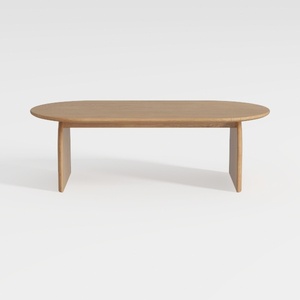
Minimalist Solid Oak Oval Coffee Table Simple Modern 3D Model

Boucle Fabric Solid Wood Base Modern Sofa 3D Model
Homestyler offers an easy-to-use online design tool with stunning 3D renderings, inspiring interior projects, and helpful DIY video tutorials. It’s perfect for anyone looking to create and visualize beautiful home designs effortlessly.
Design Now for FREE





