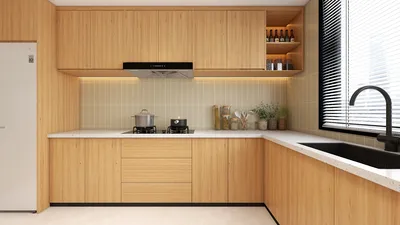


A well-designed drawing room is distinguished by its comfort, engaging conversations, and an element of theatricality. A stylish ceiling fan can serve as the understated lead in this setting—enhancing the ceiling's design, regulating airflow, and contributing a sculptural element without being overbearing. I approach fan selection with a balance of performance and elegance, considering factors like blade shape, motor quality, finish, lighting integration, and how the fan complements the overall dimensions of the room. Incorporating tools like Homestyler can assist in visualizing these design choices.
Performance is based on reliable standards. The Illuminating Engineering Society (IES) recommends that residential living areas generally require 100–300 lux for ambient lighting, which often leads to the incorporation of integrated light kits or multi-layered lighting designs to complement the ceiling fan's role. From a wellness perspective, the WELL Building Standard advocates for thermal comfort, where strategic airflow allows for higher temperature settings without sacrificing comfort levels, often reducing HVAC demands. These guidelines influence how I select ceiling fans, ensuring they have versatile speed options, quiet motors, and thoughtfully designed lighting.
Considering ergonomics and behavioral nuances is also crucial. Research from Steelcase reveals that inhabitants' comfort levels are closely tied to the control they feel they have over their surroundings, affecting everything from temperature to lighting. In living rooms, this translates into having fan speed controls and adjustable lighting that are easily accessible. When people can adjust even slightly, they're likely to stay longer, engage more in social interactions, and express greater satisfaction. That's why I emphasize using remote controls or unobtrusive wall switches, especially in open-concept spaces.
Design Intent: The Fan as a Sculptural Anchor
In an elegant drawing room, the ceiling can be treated as a canvas. I view fans as pendant fixtures that are broader and more dynamic. For traditional spaces with ornamental details and symmetry, I tend to opt for refined metallic finishes like brushed brass or aged bronze, coupled with wooden blades that have a soft curve. In modern interiors, sleek ABS blades and matte finishes contribute to a minimalist aesthetic. The psychology of color also plays a role in ceiling design, as warmer shades like brass and walnut evoke a sense of warmth, while cooler hues such as matte black and pewter exude tranquility—concepts supported by research from Verywell Mind on color's psychological effects.
Right-Sizing: Span, Height, and Proportion
Getting proportions right is essential. In my experience, rooms of 12–15 m² generally accommodate fan spans of 48–52 inches; for spaces of 15–23 m², spans can increase to 52–60 inches; while larger areas might require fans of 60–72 inches or even dual-fan setups. It's important to maintain at least a 2.1–2.3 m distance from the finished floor to the blades, using downrods for ceilings taller than 3 m. Additionally, in elongated rooms, I plan pathways to ensure that fan blades do not interfere with chandeliers or detailed moldings.
Airflow and Acoustic Comfort
Effortless airflow can be achieved with the right fan. I examine the manufacturer's airflow ratings (CFM) across different speeds and consider the blade pitch, which is typically around 12–15 degrees for residential applications. Quiet operation is equally vital, and choosing a quality DC motor with well-balanced blades helps minimize noise—especially important in spaces designed for conversation. I also evaluate sound absorption solutions, like rugs and drapery, which can help mitigate echo, ensuring that the gentle noise of the fan doesn't compete with discussions.
Light Matters: Layering Around the Fan
When the fan is equipped with a light kit, I recommend opting for a warm-white color temperature in the 2700–3000K range for drawing rooms, as it is both inviting and flattering to skin tones and materials. Most social gatherings thrive under ambient light levels of 100–200 lux, which means I seldom depend solely on the fan's lighting. I prefer to create light layers, using wall washes for artwork, floor lamps for intimacy, and subtle cove lighting or spot accents to provide architectural rhythm. Dimming capabilities are essential; they allow the fan lights to recede while task and accent lighting establish the desired ambiance.
Materiality and Finish Strategy
I frequently choose one finish to dominate (e.g., brass) and balance it with a matte finish (e.g., soft black) so the fan integrates seamlessly into the space rather than appearing as an afterthought. Wooden blades can create a cohesive look between flooring and cabinetry; however, it’s best to avoid exact matches—opting for a shade that’s a bit lighter or darker adds depth. In coastal or humid environments, it's prudent to select corrosion-resistant finishes and fixtures rated for damp locations.
Ceiling Architecture: Beams, Coffers, and Medallions
Stylish ceiling fans thrive best when the architecture supports them. With beamed ceilings, I align fans centrally above a bay for visual harmony; in coffered ceilings, I select slender downrods that fit within the coffer's negative space. A subtle ceiling medallion can enhance traditional designs, provided it remains proportionate to the fan's hub. If the layout of your drawing room is still a work in progress, utilizing a layout planner like the Homestyler can help visualize clearances and flow before finalizing any installations.
Controls, Automation, and Zoning
Convenience is key in modern design. I recommend installing a wall control with distinct speed settings and a reverse mode (for winter use) as a standard. For smart home environments, integrating fans with various scenes—such as a low-speed setting for entertaining at 30% brightness—adds functionality. If the space connects to a dining area, considering separate fan controls ensures that conversation zones remain comfortably climate-controlled.
2024–2025 Design Notes: What’s Current
In the upcoming years, I’ve noticed a trend towards elegant, slimline hubs, sculpted three-blade designs, and hybrid systems where a delicate chandelier is concealed within the fan's blades, particularly in heritage-inspired interiors. Finishes are leaning towards soft brass, bronze, and textured blacks. Moreover, integrated LED lights with a high Color Rendering Index (CRI 90+) are becoming a standard in high-end models, ensuring that artwork and fabrics retain their true colors.
Safety, Mounting, and Maintenance
Always use a fan-rated junction box, check the integrity of joists, and ensure blades are clear of any textiles. For high ceilings, verify the stability of downrods and inspect set screws biannually. Regular dusting of the blades is crucial, as dust can increase noise and decrease performance; a microfiber wipe every few months keeps everything in check.
Styling: Pairing with Furniture and Art
Allow the fan to reflect the room's overall narrative. In a mid-century lounge with sleek, low-sitting furniture, a matte black three-blade fan appears intentional. Conversely, in a richly layered traditional space complete with silk drapes and heirloom rugs, a warm metallic hub paired with delicately tapered wood blades feels cohesive. Pay attention to art lighting to avoid disruptive shadows cast by the fan blades; lateral wall fixtures and slightly offset floor lamps can help maintain an aesthetically pleasing environment.
Quick Specification Checklist
- Room dimensions and ceiling height confirmed (span and downrod selected)
- DC motor for quiet, efficient operation
- Blade pitch approximately 12–15°, balanced for smooth operation
- Integrated LED lights with a warm color temperature of 2700–3000K, fully dimmable, and a CRI of 90+ if the room features significant art displays
- Fan-rated box and sturdy mounting hardware
- Accessible control for speed and lighting; consider smart home scenes
- Coordinated finishes that complement each other; humidity-rated materials where appropriate
FAQ
For drawing rooms sized between 15–23 m², a ceiling fan with spans of 52–60 inches is typically appropriate. Larger spaces might necessitate spans of 60–72 inches or the use of dual fans to avoid areas with stagnant air.
Ceiling fans cannot operate independently. Residential living areas usually aim for 100–300 lux in ambient lighting, guided by IES standards. It’s vital to use the fan's light as part of a layered lighting strategy that includes wall lights, floor lamps, or cove lighting.
Fans with DC motors operate more quietly, providing smoother control over speed and reduced energy consumption—making them ideal for spaces where conversation is key.
A warm-white color temperature of 2700–3000K enhances skin tones and soft furnishings, helping to create a welcoming atmosphere in social settings.
Aim for a 2.1–2.3 m distance from the floor to the fan blades. Utilize downrods for high ceilings and low-profile mounts for ceilings shorter than approximately 2.5 m.
An effectively balanced fan with a high-quality DC motor operates nearly silently at lower speeds. Pair it with soft furnishings to absorb any residual sound.
Indeed. Ensure they remain visually connected—either by distancing between planes or coordinating finishes. It’s essential to layer lighting to prevent shadows cast by fan blades.
Air movement can enhance evaporative cooling on skin, allowing for a thermostat increase of about 1–2°C while still feeling comfortable, a strategy that aligns with WELL v2 thermal comfort standards.
Textured blacks, brushed brass, and oiled bronze develop an appealing patina over time. In areas with high humidity, choose damp-rated materials and finishes to ensure longevity.
Position the fan according to seating arrangements rather than merely following the room's geometry. Validate clearances, movement paths, and sightlines using a layout simulation tool like Homestyler before final installation.
Yes. Utilizing a low-speed reverse setting circulates cool air upward while gently drawing warm air down from the ceiling, equalizing temperature without creating drafts.
CRI 90+ ensures accurate color reproduction. To avoid shadows from fan blades on artwork, it’s wise to complement the fan’s light with dedicated art lighting.



Looking to transform your space? Homestyler is your go-to online home design platform! With an easy-to-use design tool, stunning 3D renderings, an array of design projects, and helpful video tutorials, it empowers you to create your dream home effortlessly. Start designing today!
Progetta ora GRATIS
































