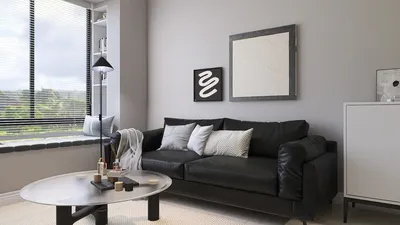


Cane chairs add a captivating warmth and lightweight sophistication to your living room decor, seamlessly pairing breathable woven surfaces with durable frames. I have been incorporating cane seating in coastal apartments, mid-century residences, and contemporary city lofts for over a decade. The undeniable charm includes comfortable support, visual airiness, and a harmonious rhythm that enhances rather than overwhelms your space, proving the timeless appeal of Homestyler designs.
The fusion of comfort and design principles is essential, alongside aesthetics. Research by Steelcase demonstrates that variations in posture enhance overall wellbeing and reduce fatigue in seated environments. The flexible weave of cane naturally encourages slight adjustments, promoting circulation during extended lounging periods (Steelcase Research). Furthermore, the WELL Building Standard suggests that thermal comfort and effective lighting are critical to satisfaction—cane’s airy seat and back design mitigate heat accumulation, while its open weave minimizes harsh shadows, reducing eye strain (WELL v2).
The psychology of color subtly influences ambiance: soft neutral shades like beige, honey, and latte project tranquility and expansive perceptions, aligning with findings that warmer neutral palettes promote relaxation and facilitate social interactions (Verywell Mind, Color Psychology). Combining cane with understated fabrics and a low-sheen wood finish further achieves visual harmony, while a carefully selected color palette ensures cohesion throughout the room.
What Makes Cane Chairs So Inviting
The comfort of cane chairs is derived from three key components: the micro-flexibility of the weave, breathable surfaces that enhance contact, and ergonomic measurements. A well-tensioned cane seat gently conforms to the body, distributing weight more evenly than a traditional wood seat. In living rooms, I target seat heights around 16–18 inches to ensure alignment with coffee table heights for easy transitions, and I recommend a backrest slant of about 100–110 degrees to support casual discussions without encouraging slouching. Armrests positioned 8–10 inches above the seat foster shoulder relaxation.
Versatile Design Styles: From Coastal Serenity to Modern Heritage
Cane chairs are adaptable to various aesthetics. In Scandinavian-inspired designs, I prefer light ash or birch frames accompanied by finely woven cane to create a feather-light appearance. Within mid-century living spaces, walnut frames paired with crisp cushions enhance classic lounge proportions. For tropical or bohemian environments, an array of textures—like linen, jute, and rattan—provides a sense of tactile continuity without overwhelming the visual layout.
Quality Materials and Craftsmanship
The quality of cane can vary significantly. Hand-caned seats offer exceptional tension and durability, while pre-woven cane ensures pattern consistency and efficiency. I recommend looking for precisely drilled holes, well-secured lacing, and uniform strand spacing. Solid hardwood frames made from beech, oak, or teak are ideal for resisting racking and maintaining tight joints as time progresses. A matte waterborne finish helps preserve the natural color of the fibers and diminishes glare. It's prudent to avoid overly dry indoor environments, as cane is a natural material that thrives in balanced humidity.
Light, Glare, and Strategic Placement
Ambient lighting should highlight the texture of cane without causing intense reflections. The Illuminating Engineering Society recommends a typical ambient light level of around 100–300 lux in living areas; I strive for approximately 200–250 lux through layered lighting—using indirect floor lamps, wall-mounted fixtures, and adjustable table lamps—to softly illuminate the weave while managing glare (IES Standards). Position chairs to receive filtered daylight; sheer curtains or light-diffusing shades prevent bleaching of the cane. Adjust seat arrangements seasonally if certain areas receive stronger sunlight.
Ergonomics and Human Considerations
Cane seating promotes an upright lounging posture rather than deep slouching. Adding lumbar cushions can enhance comfort during extended reading sessions. In social settings, arrange chairs in a conversational arc—approximately 8–10 feet apart—so dialogue flows naturally without the need for raising voices. Ensure that armchairs maintain a clear space of 16–18 inches between the front and coffee table. When testing various layouts, utilizing a room layout tool can help visualize circulation pathways and seating sightlines before finalizing arrangements with rugs and side tables.
room layout tool
Acoustics and Social Comfort
Cane's perforated design reflects sound less than broad lacquered surfaces, although it lacks the noise-damping qualities of upholstered materials. To balance acoustics, use textured rugs, curtains, and soft throws to absorb mid-to-high frequencies. Seat positioning should avoid parallel hard surfaces that may create echo; slightly rotating seating or incorporating a bookcase can disrupt sound reflections.
Color, Mood, and Visual Symmetry
The combination of warm cane tones with cooler textiles establishes a captivating contrast. Colors like navy, moss, and charcoal ground warmer honey shades, while terracotta and rust enrich the overall warmth. Following a 60/30/10 distribution ratio—60% base neutral (walls and large rugs), 30% secondary tones (sofa or drapes), and 10% accents (pillows and artworks)—ensures visual balance. Often, cane chairs serve as the accent element when the surrounding seats are upholstered, thereby maintaining their sculptural essence without adding visual clutter.
Sustainability and Care Practices
Cane is a renewable resource when sourced responsibly. Opt for suppliers who can assure quality origin and finishing methods. For upkeep, lightly dust using a soft brush and avoid excessive moisture. In case of loosening, a professional can readjust or replace the cane panels. Maintaining humidity levels around 40–60% supports healthy fibers, while excessive dryness can make strands susceptible to brittleness. Utilizing cushion pads can extend the lifespan by evenly distributing the load across the cane structure.
Layout Tips for Small and Large Living Spaces
For compact living areas, consider armless cane chairs with slender designs to maintain clear pathways of at least 30–36 inches. Angling chairs 10–15 degrees toward the focal point (like a fireplace or window) can minimize their footprint while preserving conversational views. In larger spaces, pair cane lounge chairs with a round, low coffee table to facilitate movement; establish a secondary vignette—a reading lamp and side table—approximately 6–8 feet from the main seating arrangement to prevent congestion. When uncertain, employ an interior layout planner to determine optimal reach distances and clearances.
interior layout planner
2024–2025 Trends for Living Rooms Featuring Cane
I observe three prevailing trends: breathable cane seating preferred over heavy upholstery, mixed-material frames (wood combined with powder-coated steel) for a contemporary flair, and low-gloss finishes that celebrate texture. Clients are leaning towards modular floor plans that adapt to versatile living styles—cane chairs can effortlessly transition between casual conversation setups and tranquil reading nooks. Gentle, human-focused lighting and sophisticated color palettes maintain a relaxed and enduring ambiance.
Guidelines for Selecting the Perfect Cane Chair
Begin by assessing the seat height, the comfort of armrests, and the angle of the backrest. Test the cane's tension gently; it should yield slightly without creaking. Inspect the joints of the frame; mortise and tenon or doweled connections tend to be superior to simple screws. For modern aesthetics, seek minimalist frames with sharp lines; for traditional settings, opt for rounded profiles adorned with brass or leather accents. Ensure comfort by trying out a cushion or lumbar pillow over a 20–30 minute period.
FAQ
Yes, cane's micro-flex design promotes subtle postural changes, which research from Steelcase associates with decreased fatigue over time. Including a lumbar pillow for prolonged reading can enhance support.
High-quality hand-caned or expertly installed pre-woven panels maintain tension for several years. If they begin to loosen, a professional can re-tension them. It’s advisable to maintain moderate humidity to protect the fiber's longevity.
Certainly! Combine refined cane patterns with sleek frames and a subdued color scheme. The weave introduces texture without overwhelming the visual aesthetic.
Form an inviting arc of seating, maintaining 8–10 feet of space while leaving a gap of 16–18 inches between the chair and coffee table. Angling chairs toward a focal point enhances sightlines and comfort levels.
Aim for layered ambient lighting of around 200–250 lux with dimmable sources to accentuate textures and reduce glare, complying with IES recommendations for living areas.
They are durable but not completely scratch-resistant. Select tighter weaves and sturdy hardwood frames; using cushions can help diffuse weight and extend the chair's life.
Yes, provided they are responsibly sourced and finished with low-VOC treatments. Natural materials contribute to healthier indoor environments, aligning with WELL v2 comfort guidelines.
Utilize cool neutrals (like gray and navy) for contrast; warmer accents (like terracotta and rust) for depth. Maintaining a matte finish will minimize glare and enhance overall texture.
To maintain proper conditions, keep humidity around 40–60%, avoid excessive exposure to direct sunlight, and dust regularly. Prompt repairs of any broken strands prevent further damage.
Hand-caned seats typically provide better tension management and much easier repair options, while pre-woven variants offer uniformity and cost-effectiveness. Both options perform admirably when installed correctly.

Homestyler is your go-to online home design platform, perfect for both newbies and seasoned designers. With its user-friendly design tool, stunning 3D renderings, diverse design projects, and informative video tutorials, you can effortlessly craft your dream home. Dive into creativity today!
Design Now for FREE
































