

Candles have always been more than just ambient light sources for me; they serve as tiny architectural components that influence the atmosphere. They manage lighting, encourage specific behaviors, and set a mood with minimal space usage. When styled properly, candles introduce visual rhythm, soften harsh edges, and create a unique sensory experience within a room. Selecting the right candle (considering size, wax type, vessel, and placement) can effectively reduce glare, enhance warmth perception, and guide visual pathways throughout your space.
Understanding the importance of light is crucial. According to the Illuminating Engineering Society, living spaces thrive with a balance of ambient lighting typically ranging from 100 to 300 lux for comfort without glare. In contrast, candlelight ranges around 10 to 50 lux, providing a softer illumination that complements overhead lights. From a psychological perspective, warm light tones promote a feeling of tranquility; research highlighted by Verywell Mind suggests that warm reds and oranges foster coziness, while cooler shades like blue and green can create a refreshing and spacious environment. This knowledge can aid in selecting candle colors, vessel designs, and scent profiles to enhance the room’s overall intent while integrating tools like Homestyler for further design insights.
Visual comfort isn’t solely about aesthetics; it encompasses air quality too. The WELL v2 standards stress the importance of managing indoor pollutants and combustion byproducts. If you frequently indulge in candle lighting, opt for clean-burning options such as beeswax, coconut, or high-quality soy candles with cotton or wood wicks. Additionally, ensure proper ventilation. The WELL framework encourages using lighting that supports circadian rhythms, which can be achieved by utilizing candles as evening accent lights while dimming overhead fixtures to ease the transition into a more relaxed home atmosphere.
Principles of Candle Styling: Several design elements come into play when styling candles effectively.
To create visual balance in living areas, I prefer grouping candles in odd numbers (choose sets of 3 or 5) at varied heights to establish a gentle rhythm in space. A prominent pillar contrasts with slender taper candles to add height, while incorporating low tea lights helps to ground the arrangement. Maintain a consistent design language—like matte black metal alongside smoked glass for minimalistic themes, or translucent alabaster paired with brass for timeless decor.
In open-concept designs, candles can effectively separate areas without physical barriers. A series of low votives placed on a sideboard can signify a social edge, while a cluster on the coffee table encourages conversation. For those rethinking their furniture layout, utilizing a room design tool like Homestyler can help clarify sightlines and focal points before implementing decorative lighting.
When it comes to the quality of light, pay attention to color temperature, flicker, and glare. Candlelight typically emits a warm, amber-rich glow between 1500 and 2000K, flattering to skin tones. To minimize glare, position candles below eye level while seated and consider using frosted glass to shield flames from reflective surfaces. During dining, avoid direct sightlines to light sources across the table; instead, arrange pairs of candles symmetrically or create a low, continuous row of tea lights to illuminate dishes subtly.
While flicker adds an inviting touch, excessive movement can distract from conversations. For intimate dinner settings, opt for thicker, stable taper candles and consider using hurricane sleeves to minimize drafts. In cozy reading corners, combine dimmable task lighting (around 300-500 lux) with a couple of strategically placed candles to warm the atmosphere without losing readability.
Curating scents effectively is equally essential to enhance the ambiance. I associate specific scents with distinct activities—earthy blends like sage or cedar evoke grounding in entryways, while bright citrus or floral scents instill energy in kitchens and morning areas. Rich gourmand scents like vanilla can create a cozy environment in evening lounges and bedrooms. Keep the olfactory experience subtle by limiting potent aromas to one area at a time—fragrance should gently welcome rather than overpower.
For homes with sensitive individuals, unscented beeswax is a great choice as it produces a clean, natural fragrance and often has a longer burn time compared to paraffin alternatives. Always trim wicks to approximately 6mm before lighting to minimize soot and avoid placing candles in drafty locations that could disturb the flame's stability.
The choice of wax, wick, and vessel material directly impacts the candle’s performance. Beeswax produces a stable melt pool and a bright glow, whereas coconut and soy blends ensure an even burn with excellent scent distribution. High-quality paraffin may burn consistently but can produce more soot if paired with oversized wicks. Opt for lead-free cotton or responsibly-sourced wooden wicks while steering clear from outdated metal-core types.
The materials of candle vessels significantly influence how light is diffused. Clear glass intensifies brightness, frosted glass softens the glow, ceramic emits a gentle warmth, and metallic interiors can amplify light but might create harsh reflections in certain settings. To avoid overwhelming glare in grouped arrangements, mix finishes thoughtfully.
Safety considerations are paramount while using candles. Maintain a distance of 30 to 50 cm from any flammable objects, and never leave burning candles unattended, especially near delicate fabrics or dried plants. For homes that frequently use candles, consider establishing an air quality ritual: open a window briefly, use kitchen range hoods, and limit candle burn time to 1-2 hours to reduce soot buildup. The WELL v2 approach seamlessly integrates with practical habits such as shorter burn durations, proper wick management, and using snuffers instead of blowing candles out, which helps minimize airborne particles.
When considering how to distribute candles across different rooms, aim for balance. For a sizeable coffee table, try a mixed-height trio: one pillar candle (7–10 cm diameter and 15–20 cm tall), two slender tapers, and a low tea light. Reflect this arrangement on a nearby console to create a cohesive sightline.
Utilize pairs or elongated lines of candles to avoid obstructing views during gatherings. If overhead pendants emit between 150 and 300 lux, candles can be arranged at the edges to enhance warmth without distorting food’s color. Prioritize safety and elegance with enclosed vessels on nightstands, using unscented or softly fragnanced candles for a calming atmosphere.
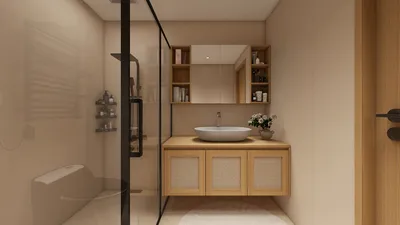
In bathrooms, select placements that are safe around water—opt for enclosed vessels away from towels or delicate items. Pair scents like eucalyptus or hinoki with bright daylight, transitioning to warm candlelight during evening baths.
Exploring color psychology, warm colors can create intimacy whereas cool shades can provide a more expansive feel. If your decor features cool tones such as charcoal or pale oak, try introducing amber glass or ivory wax to counteract a chilly visual. In warmer rooms, like those featuring terracotta or brass, stick to clear glass and off-white wax to balance the palette.
Additionally, small candle flames quietly suggest 'quiet zones.' I utilize them in reflective spaces, pairing them with textured materials like bouclé or wool to dampen sound. When gatherings become lively, alternative options like LED candles can retain the ambiance without heat.
Strategically place candles in areas where eyes naturally gravitate, such as coffee tables, consoles alongside doorways, dining centers, or bathtub ledges. Avoid locations that disrupt traffic flow. While revising layouts, employing a flexible interior design tool like Homestyler can help visualize candle sightlines, glare risks from mirrors, and safe distances from flammable decor.
To ensure long and clean burns, follow these maintenance guidelines: trim wicks to ~6 mm before lighting, allow a full melt pool during the first burn to prevent tunneling, rotate candles among rooms to prevent fragrance fatigue, use snuffers to extinguish flames instead of blowing them out, and remember to clean dust from vessels and trays regularly to keep surfaces bright.
For insights on lighting and recommended illuminance levels, refer to the IES standards. Moreover, if you're seeking wellness-focused interiors, explore the WELL v2 framework for actionable criteria addressing air quality, lighting, and materials.
FAQ: Frequently Asked Questions regarding candle use and styling.
Q1: How many candles should I use in a living room? A: Begin with a grouping of three on your coffee table, paired with one or two accents on a sideboard. Odd-numbered groups establish visual rhythm, while secondary placements enhance the overall mood without visual clutter.
Q2: Which wax burns the cleanest? A: Opting for high-quality beeswax and coconut or soy blends with cotton or wooden wicks generally results in a cleaner burn versus lower-grade paraffin wax. Proper wick trimming and ventilation are equally critical.
Q3: How can I prevent soot buildup on walls and ceilings? A: Maintain wick lengths at around 6 mm, avoid drafts, use appropriately sized wicks, and limit burn time to 1-2 hours. Use a snuffer instead of blowing out the flame to minimize particulates.
Q4: What candle colors work best in a cool-toned room? A: Use amber or warm white wax within smoke glass vessels to introduce warmth effectively to cool palettes. For a minimalist design, clear glass with off-white wax can provide clarity without losing warmth.
Q5: Is it advisable to rely primarily on candles for lighting? A: For functional tasks, candles are not ideal. They provide a warm accent light (approximately 10-50 lux), so pair them with adjustable ambient and task lighting to meet recommended levels while enriching warmth and depth in the space.
Q6: Are scented candles appropriate for small bedrooms? A: Yes, but keep fragrance intensity low and ensure the room is briefly ventilated. Consider calming scents like lavender or rose; otherwise, unscented beeswax is a reliable alternative, particularly when used in enclosed vessels for nightstand safety.
Q7: How can I design candle arrangements on a dining table without hindering views? A: Integrate low-profile tea lights in linear formations or use pairs of short taper candles. Keeping flames below eye level and away from direct sightlines across the table minimizes glare.
Q8: What precautions should I take when using candles in bathrooms? A: Position enclosed vessels on stable, dry surfaces, away from towels or shower curtains. Utilizing hurricanes or thick glass protects the flame from unsuspected drafts, and always extinguish candles before leaving the area.
Q9: Do different vessel materials affect lighting? A: Absolutely! Clear glass casts a brighter light, whereas frosted glass diffuses the luminosity, ceramics give off a soft glow, and metallic interiors can enhance brilliance. Thoughtful mixing can prevent harsh reflections in mirrored spaces.
Q10: How can I plan candle arrangements while rearranging furniture? A: First, identify focal points such as coffee tables, console areas, or dining centers, and then explore the layout for optimal sightlines and flow. A room layout tool makes it easy to visualize glare risk, spacing, and safety clearances in advance.
Q11: Which scents are the most suitable for entertaining? A: Stick to light, fresh fragrances like citrus or mild woods that complement food without overshadowing it. Heavy scented gourmands should be avoided when dining.
Q12: Are LED candles acceptable within modern designs? A: Yes, quality LED candles that emit warm tones (1800-2200K) and simulate realistic flicker are excellent for high-traffic or child-friendly spaces. Combining them with traditional candles can maintain aesthetic while enhancing safety.
Looking to transform your home? Homestyler is the ultimate online design platform! With its user-friendly design tool, stunning 3D renderings, diverse design projects, and helpful video tutorials, you can effortlessly bring your dream space to life—whether you’re a beginner or a seasoned designer!
Дизайн сейчас бесплатно
































