


In my experience with camphor, whether in cozy apartments or spacious family homes, it creates a refreshing atmosphere that promotes clearer breathing and a tranquil mindset. The unique scent of camphor spreads quickly when heated gently, making it ideal for light and airy spaces with neutral tones. To enhance this aromatic ritual safely, I utilize precise dosages, ensure proper airflow, and employ simple techniques to prolong the fragrance without overwhelming the environment. Utilizing tools like Homestyler can help visualize how to incorporate this scent into your space seamlessly.
The manner in which we fragrance our rooms significantly impacts our emotional and functional states. Research in workplaces demonstrates that environmental elements, including air quality and sensory comfort, play a vital role in productivity. According to Steelcase, individuals who exert more control over their surroundings often report greater well-being and efficiency. Similarly, the WELL Building Standard emphasizes the importance of low-emitting materials and good air quality as fundamental to comfort, which translates to the home environment: maintaining clean air, reasonable humidity levels, and thoughtful scent layering ensures that camphor remains invigorating rather than overpowering.
Understanding Camphor: Its Benefits in Home Environments
Camphor is a crystalline substance traditionally derived from the camphor laurel (Cinnamomum camphora), but most of it is now synthetically produced. Its ability to evaporate at room temperature makes it perfect for passive diffusion. In practice, I use camphor as an accent fragrance—sharp, slightly medicinal, and excellent for eliminating stale odors, especially after cooking or during humid periods. Due to its strength, I apply it sparingly and complement it with softer scents, like citrus peels or lavender, to create a fuller aromatic profile.
Key Safety Considerations and Adequate Ventilation
Camphor must never be ingested and should be kept far from children and pets. A small portion, roughly the size of a pea for every 100 to 150 sq ft, is usually sufficient for gentle diffusion. Proper ventilation is crucial; the WELL v2 framework highlights the need for fresh air and pollutant management to ensure comfort and health. Opening windows or using a fan on a low setting can help prevent fragrance accumulation. For those sensitive to scents, it's wise to start with minimal amounts and limit exposure to 30 to 60 minutes to gauge personal tolerance.
Six Simple Ways to Integrate Camphor into Your Home
Position a small piece of camphor on a porous ceramic stone or unglazed clay dish, ideally at shoulder height to promote even diffusion, avoiding direct sunlight and drafts. This method is particularly effective in bedrooms or reading nooks, creating a subtle and consistent scent.
Introduce a pea-sized camphor piece into a bowl of very warm water—not boiling—and place it in a safe, central area. The mild warmth hastens evaporation without flames. Refresh the water every hour or two as the aroma diminishes.
Utilize a thermostatic electric burner set to the lowest setting. Lining the dish with foil before placing a small camphor piece on top ensures the cleanest scent release with minimal residue. Always employ a timer (15 to 30 minutes) and maintain proper spacing around the unit.
Wrap a tiny camphor chip in breathable cotton or muslin and tuck it into a wardrobe corner. While camphor aids in preventing mustiness, be cautious not to let it touch fabrics directly to avoid damaging synthetic materials. Refresh this chip monthly for the best results.
After preparing food, activate the range hood for about 5 to 10 minutes, and then diffuse a minute amount of camphor near the kitchen entrance. This practice effectively neutralizes lingering cooking odors, followed by simmering citrus peel to balance the aroma thereafter.
Enhance your living areas by diffusing a small amount of camphor at semi-outdoor thresholds, offering a sensory cleanse before entering. Keep the camphor positioned higher to prevent its direct scent from overwhelming anyone passing by.
Considerations for Placement, Dosage, and Timing
As a guideline, a tiny camphor pellet can scent a space of 100 to 150 sq ft for 30 to 90 minutes, depending on the airflow and temperature. I prefer to avoid constant diffusion; instead, I treat fragrance like lighting, using short, timed bursts that align with specific activities. In smaller living areas, focus the scent distribution near entrances or windows to avoid saturating sleeping zones.
Harmonizing Light, Color, and Scent
Light significantly alters how we perceive scents. Cooler white light (4000–5000K) enhances the crispness of camphor’s fragrance, whereas warmer light (2700–3000K) can create a cozier atmosphere. The IES recommends a balanced approach to lighting in both task and ambient zones; layering illumination (ambient at 10–20 footcandles, task at 30–50 footcandles) aids in reducing glare, which may heighten sensitivity to aromas. In light-toned environments—white walls, light woods, and cool grays—camphor embodies the essence of airiness and cleanliness, akin to how a linen curtain appears visually.
Understanding Comfort and Sensitivity in Scent
Scent comfort varies widely among individuals. I tend to schedule camphor diffusion to follow activities: a brief burst post-cleaning, a small amount prior to guests arriving, or a reset after cooking. Providing options for control—openable windows, a small fan, and designated scent-free spaces—can enhance comfort. Research conducted by Herman Miller on workplace autonomy correlates control with improved well-being; this concept translates to home life, emphasizing localized and voluntary diffusion without continuous exposure.
Effective Layout Strategies for Balanced Diffusion
The location of your camphor setup is just as important as the quantity used. Place diffusers at shoulder height, away from HVAC returns which could quickly disperse the scent. If trying out new furniture arrangements or airflow, a lightweight interior layout planner can help you visualize placement options, seating arrangements, and ventilation flows to minimize scent accumulation in specific areas.
Material and Surface Considerations for Camphor Usage
Prevent prolonged contact between camphor and varnished woods, lacquered surfaces, and plastics that may deform. Utilize glazed or foil-lined dishes, and safeguard stone countertops with coasters. In closets, always wrap chips in fabric. For sustainability, purchase minimal quantities and store them in airtight glass containers to prolong the shelf life and minimize waste.
The Impact of Acoustics, Clean Air, and Routine on Scent Perception
Quiet spaces amplify our scent awareness. If your environment has hard surfaces that cause echoes, consider adding rugs or curtains to soften sound, allowing the aroma to register as gentle rather than overwhelming. Pair camphor diffusion with quick ventilation: open a window, operate a fan on low, and then diffuse for a brief, focused period.
Fast Start: A Balanced and Safe Camphor Ritual
• Ventilate the space lightly for two minutes.
• Position a pea-sized piece of camphor on a ceramic dish at mid-height in the room.
• Diffuse for 20 to 30 minutes, then pause for at least an hour.
• Optionally layer with a soft natural scent (such as dried orange peel or a lavender sachet).
• Store any remaining camphor in a sealed glass jar, labeled and stored out of reach of children and pets.
Frequently Asked Questions
Q1: Is camphor safe to have around children and pets?
A1: Caution is essential. Camphor is toxic if swallowed and can trigger irritation for sensitive individuals. Keep usage minimal, ensure diffusers are out of reach, and limit the lasting duration. If anyone exhibits any signs of irritation, discontinue use immediately and ventilate the area.
Q2: What quantity of camphor is appropriate for a small bedroom?
A2: Begin with a pellet no larger than a pea, suitable for approximately 100 to 150 sq ft, and diffuse for 20 to 30 minutes. Adjust only after confirming sensitivity in a well-ventilated setting.
Q3: Is it possible to use camphor in humid climates?
A3: Absolutely, but ensure ventilation first to manage humidity levels that could exacerbate scent intensity. Opt for shorter, timed diffusion instead of extended sessions in moist areas.
Q4: Does lighting affect the strength of camphor’s aroma?
A4: Indirectly. Cooler light (around 4000–5000K) can instill a crisper essence into spaces, aligning with the refreshing profile of camphor. Adhering to balanced ambient and task lighting recommendations by IES practices helps mitigate glare that might heighten scent sensitivity.
Q5: Which surfaces are safe when using camphor?
A5: Choose glazed ceramic, glass, or foil-lined containers. Avoid direct contact with plastics, varnished woods, or lacquered surfaces, and never place camphor directly onto textiles.
Q6: Can camphor be blended with essential oils?
A6: It’s more effective to layer fragrances sequentially instead of mixing them. Diffuse camphor briefly, then transition to softer scents like citrus or lavender for a well-rounded experience.
Q7: How can I prevent scent hot spots in open-plan areas?
A7: Position the diffuser at shoulder height, away from HVAC vents and strong drafts. Utilize furnishings and soft barriers to moderate airflow, or use a simple layout tool to test various distribution points.
Q8: Is prolonged camphor diffusion advisable?
A8: Not at all. Treat camphor as a transient accent scent. Cycle usage—on for 20 to 30 minutes and off for a minimum of one hour—to avoid sensory overload and buildup.
Q9: What if someone in my home is sensitive to scents?
A9: Avoid using camphor in shared spaces. Designate scent-free areas, increase ventilation, and explore gentler alternatives such as baking soda deodorization or brief citrus simmering methods.
Q10: What is the proper way to safely store camphor?
A10: Keep camphor in a sealed glass jar that is clearly labeled, stored in a cool, dark cupboard, away from children and pets. Steer clear of plastic containers which can absorb odors over time.
Q11: Can camphor be effective after cooking strong-smelling foods?
A11: Yes. Ensure ventilation beforehand, then diffuse a small amount of camphor near the kitchen entrance for roughly 15 to 20 minutes. Following this with a gentle citrus scent softens the overall aroma.
Q12: Does camphor leave any residue or stains?
A12: It can, especially if placed directly onto surfaces. Always use a dish or foil liner, and avoid contact with fabrics or coated woods.

Minimalist Solid Oak Linen 3 Seater Sofa 3D Model
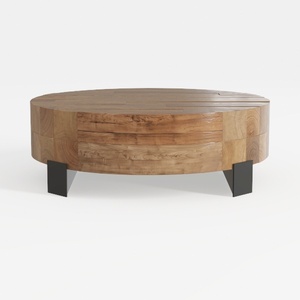

Rustic Solid Wood Round Coffee Table With Black Metal Legs 3D Model
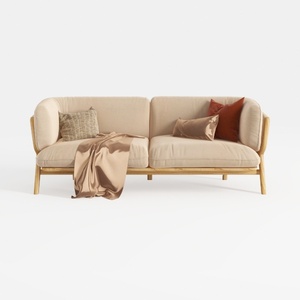
Minimalist Solid Wood Linen Fabric Loveseat Sofa 3D Model
Homestyler is your go-to online home design platform! Enjoy a user-friendly design tool and stunning 3D renderings to visualize your ideas. Explore a diverse collection of design projects and DIY video tutorials that inspire creativity and help you craft your dream space effortlessly.
Concevez maintenant gratuitement
































