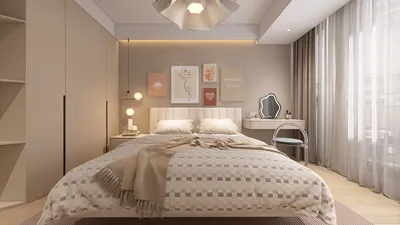


As we navigate the evolving landscape of modern living, today's inhabitants are grappling with the challenges of commute fatigue, hybrid work setups, and the burden of storage. In this context, the C-203 model presents itself as a 2 BHK solution adeptly aligned with these tensions. According to AIA, the demand for versatile spaces has surged in U.S. renovations, and this reasoning resonates globally within the C-203 2 BHK design. Utilizing a spatial reasoning toolkit, we can interpret this layout as a blueprint for fostering smoother weekdays, seamless transitions, and minimal disruptions. Additionally, incorporating tools like ' Homestyler' can enhance the design experience.
Layout A: Split Core + Quiet Edges
Design Logic: The living/dining area functions as the central processing unit, while bedrooms are positioned at the periphery, acting as insulated threads to maintain quiet boundaries essential for hybrid working and restful nights.
Flow: Entry leads into the living hub, which branches into the kitchen spur and connects to the bedroom nodes before accessing the balcony/utility. This setup creates a linear program with conditional branches that enhance privacy.
Sightlines: A direct axis from the door to the window serves as the anchor for the living area; cross-visibility design minimizes visual interference between bedroom doors, allowing for a clean user interface with layers including the sofa, dining area, and expansive glazing.
Storage: The design integrates an entry console, full-height wardrobes, and extensive kitchen cabinetry. Storage is organized into ‘hot’ (daily use) and ‘cold’ (seasonal) categories to maintain order and prevent clutter.
Furniture Fit: An 84" sofa with a 30" circulation space, a 60" oval dining table for smoother traffic, and queen beds measuring 60"x80" with 24" side clearances ensure comfort while adhering to design guidelines that minimize latency.
Verdict: This split core approach stabilizes daily routines. As we look five years into the future, it will continue to adapt as new devices emerge and designated quiet zones expand, enhancing the home’s bandwidth.
save pin
Layout B: Work-Niche Spine
Design Logic: A strategically placed strip along the living wall creates a work niche, offering future-proofing against asynchronous schedules while preserving bedroom space.
Flow: The design leads from the threshold to the niche docking area, looping through the living space, progressing to the kitchen, and branching off to the bedrooms. This sequence effectively separates the activities of meetings, meals, and relaxation.
Sightlines: The work niche is positioned to harness indirect light, minimizing glare while maintaining a view from the living TV wall that avoids conflicts with the dining area. The balcony serves as a status indicator for day-to-night transitions.
Storage: An over-niche peg rail alongside bench drawers and a kitchen L-shape with 24" pantry pullouts ensures an organized space, alongside wardrobes with upper boxes for archived items, keeping the floor free of clutter.
Furniture Fit: A desk measuring 48"x24" fits flush against the wall, paired with a 96" sectional sofa, maintaining a 16" gap from passages. Beds are designed with integrated headboard shelves, all adhering to traffic flow parameters.
Verdict: The niche spine transforms the C-203 into a responsive environment, suitable for accommodating new tools while maintaining an efficient footprint over the next five years.
save pin
Layout C: Balcony as Thermal UI
Design Logic: The balcony and utility areas function as a climate interface—designated for drying, plants, and micro-breaks—relieving the living room of certain tasks and ensuring stability in comfort levels.
Flow: The circular path moves from the kitchen to utility, then to the balcony, and back to the living space; this circulation vents non-social tasks away from communal areas and revitalizes the central hub.
Sightlines: The design offers layered views, from the kitchen workspace to the opaque utility area and the balcony’s greenery; this tiered approach calms the visual field and communicates changes throughout the day.
Storage: Vertical racks in the utility, a balcony bench with concealed bins, and a living media wall equipped with cable management are organized by usage frequency to remain tidy.
Furniture Fit: Stackable dining chairs and a slender 16" depth shoe cabinet at the entrance, along with lightweight balcony stools, all selected like modular components, ready for seasonal adjustments.
Verdict: By conceptualizing the balcony as an environmental dashboard, the C-203 model gains resilience. Five years from now, it will uphold traditions without fluctuations in temperature control.
save pin
Final Takeaway
The C-203 2 BHK design at Navins Starwood Towers transcends the notion of being a mere living space and becomes a strategic protocol for hybrid living. Each area negotiates the demands of time, noise, and storage. The success of this 2 BHK layout is formulated through deliberate flows and sightline management akin to interface layers, with organized caches reinforcing efficiency. Future iterations will not necessarily expand in size but will become more intentional. Through my observations, precise spatial dimensions and tranquil design edges prepare homes for the future. Tools like Homestyler can immensely aid in visualizing and optimizing this thoughtful approach.
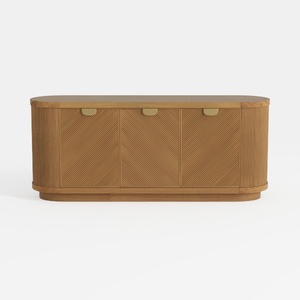
Meridian Furniture 77054Natural Everson Collection
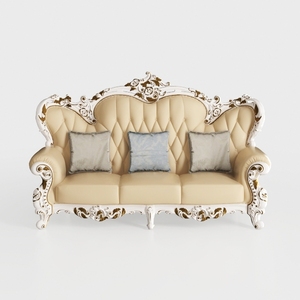
Acme Libertee Upholstered Loveseat with 3 Pillows

47.2'' Dining Table Set for 4,Modern Wood Dining
Looking to transform your living space? Homestyler is your go-to online home design platform! With its user-friendly design tool, stunning 3D renderings, and a treasure trove of DIY video tutorials, you can effortlessly create beautiful interiors and bring your design visions to life.
지금 무료로 디자인하세요
































