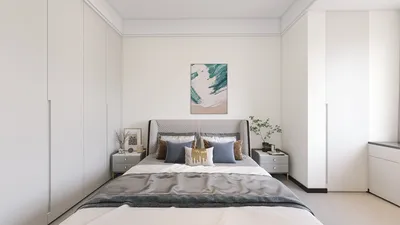


Having constructed numerous coffee tables for both residential and hospitality settings, I've learned that the ideal beginner projects integrate simple geometry, straightforward joinery techniques, and readily available materials from local retailers. This guide will take you through the essential steps of planning, sizing, building, and finishing a basic coffee table that is sturdy yet designed to harmonize with your living room's layout, all while utilizing tools like Homestyler for effective visualization.
When considering your coffee table's design, prioritize scale and ergonomics above all decorative elements. Ideally, a comfortable coffee table height should be around 16–18 inches to suit average sofa heights of 17–19 inches, aligning with NKBA guidelines. For optimal reach, aim for about 18 inches of space from the sofa edge to the table; insights from Steelcase regarding posture emphasize that having reachable items within 18–20 inches reduces fatigue and promotes healthier spine alignment. For small apartments or active households, consider keeping the table length at approximately two-thirds the length of the sofa, which translates to about 40–48 inches for a standard 72-inch sofa.
A helpful tip is to account for lighting and foot traffic when positioning your coffee table. According to WELL v2 standards, achieving visual comfort involves minimizing glare on work surfaces, and in living rooms that have ample windows, using matte finishes can help reduce the intensity of reflected light. Ensure the table is situated along main pathways, allowing for 30–36 inches of open space to prevent any collisions or spills.
Planning Your Design and Layout
Before you begin cutting wood, create a simple floor plan to map out the footprint and circulation patterns. If you're experimenting with various sofa dimensions or sectional layouts, utilizing a layout simulation tool can effectively help assess reach distances, clearances, and overall comfort. For best results, consider using a room layout tool to quickly iterate design ideas: room layout tool.
Recommended Dimensions
- Height: 16–18 inches for most sofas; consider 19 inches for taller seating or if you prefer a dining-height option.
- Length: Aim for two-thirds of the sofa's length (like 48 inches for a 72-inch sofa).
- Width: 22–28 inches for single sofas; up to 30–34 inches for larger sectionals, ensuring a minimum of 18 inches from the table edge to the seat front.
- Clearance: Maintain 30–36 inches for primary walkways; allow at least 18 inches between the seating and the table for ease of reach.
- Overhang: If including an apron, ensure a 1/2–3/4 inch overhang for edge protection.
Choosing Materials with Sustainability in Mind
Select sturdy, easy-to-handle materials. For a beginner project, consider using 3/4-inch plywood or MDF for a solid core with hardwood edging for a sleek slab top, or opt for solid woods like ash, maple, or oak if you possess the tools for proper milling. Avoid warped construction lumber for tabletops unless you're prepared to laminate and plane it. Utilizing waterborne, low-VOC finishes can minimize odors and harmful emissions while providing a resilient surface. For families with children, consider softening edges with round-over profiles (3–5 mm radius) and employing matte finishes to reduce glare and hide fingerprints. Whenever feasible, select FSC-certified hardwoods and reclaimed veneers to lessen environmental impact.
Reliable Joinery Techniques
Opt for straightforward and dependable joinery. Beginner-friendly methods include using pocket screws with adhesive, crafting bridle joints to connect legs to aprons, or constructing simple torsion-box tops. For a floating slab top with inset legs, incorporate a 3/4-inch apron frame under the top to avert racking. If you're including a shelf underneath, dados cut 3/8-inch deep into the stretchers will improve stability.
Cut List for a Simple Rectangular Table (48 L x 24 W x 17 H)
- Top: 48 x 24 x 3/4 inches (either from plywood or solid panel)
- Long aprons: 2 pieces, 44 x 3 x 3/4 inches
- Short aprons: 2 pieces, 20 x 3 x 3/4 inches
- Legs: 4 pieces, 17 x 2 x 2 inches (laminated if solid)
- Optional shelf: 44 x 18 x 1/2 inches (set this 6–8 inches from the floor)
- Edge banding: 2 mm hardwood banding or 3/4 x 3/4 strips mitered at corners
Tools and Hardware Needed
- Circular or track saw, drill/driver, pocket hole jig, clamps, a sander (120–220 grit), square, and tape measure.
- Fasteners: 1-1/4 inch pocket screws for joining aprons to legs; use 1-1/4 inch wood screws to attach the top to the apron (ensure to elongate holes for accommodating seasonal movement in solid tops).
- Adhesives: PVA wood glue; consider using construction adhesive for the shelf as an option.
Step-by-Step Building Guide
Begin by cutting the tabletop to size and ensuring it is square. Lightly round over the edges with a sanding block. If you plan to apply edge banding to plywood, do so and trim it flush.
Drill pocket holes along the aprons, then construct a rectangular frame: position long aprons in parallel and fit short aprons in between. Apply glue and clamp to hold, confirming that the diagonals are square. Attach the legs to the inner corners using glue and pocket screws while maintaining a consistent overhang under the tabletop (usually 2–3 inches).
Install stretchers midway down the legs, then glue and screw the shelf into the dados or position it on cleats. Ensure there is a minimum of 4 inches of toe clearance around the legs.
Center the base on the underside of the top panel. Use screws through elongated holes in the aprons or figure-8 fasteners for accommodating wood movement. Standard pilot holes will suffice for plywood tops.
Progressively sand surfaces with grits of 120, 150, 180, and finally 220 for a smooth finish. Clean the surfaces before applying a waterborne polyurethane or hardwax oil in thin layers; lightly sand with 320 grit between applications. Matte finishes are effective at minimizing glare and hiding fingerprints while maintaining a serene atmosphere in bright environments.
Light, Color, and Comfort Insights
Coffee tables function as a focal point in living areas. According to color psychology, mid-tone woods such as warm oak or ash can create a soothing environment, while darker espresso adds a sense of formality. Verywell Mind notes that warm tones can enhance feelings of comfort and sociability. If your living space receives intense sunlight, choose lighter surfaces to diffuse light and prevent harsh reflections. Maintain a moderate color contrast between the table and the flooring to help reduce visual strain.
Acoustic and Behavioral Considerations
Hard surfaces tend to amplify set-down sounds; utilizing a felt pad under coasters or a soft mat tray can reduce noise and protect finishes. For frequent entertainers, consider a two-tier table design: place snacks on top while keeping remotes or books hidden below—this design helps minimize clutter and preserves an open central area for cups, aligning with typical living room habits.
Exploring Finish Options and Durability
- Waterborne polyurethane: dries quickly, has low odor, and offers excellent scratch resistance.
- Hardwax oil: provides a tactile finish that can be repaired as needed but requires gentle cleaning materials.
- Catalyzed lacquer: professional-grade with a beautiful finish, best achieved through spraying; remember to use personal protective equipment and ensure proper ventilation.
- Edge details: A 3–5 mm round-over is safer for homes with children, while a 45° chamfer can provide a more contemporary appearance.
Style Variations You Can Create
- Modern slab: Featuring a plywood core with hardwood banding and square legs inset by 2 inches.
- Parsons: A thicker top (1-1/2 inches) complemented by flush legs, highlighting seamless geometric forms.
- Waterfall: A design with mitered tops and sides reinforced with splines or biscuits for added strength.
- Shaker: Featuring slim aprons and tapered legs that create a light, timeless aesthetic.
Refining Your Layout
Position the coffee table such that all seating can comfortably access a coaster without leaning excessively. In the case of a sectional that wraps a corner, adjust the table closer to the deeper part of the chaise to achieve balance. Before finalizing any size adjustments, test your design with an interior layout planner to visualize clearances effectively: interior layout planner.
Safety and Maintenance Tips
Attach non-slip furniture pads to the bottoms of the legs. If your flooring is made of soft wood, it's advisable to select wider leg profiles or install discreet glides. Clean finished surfaces using a damp microfiber cloth with a pH-neutral cleaning product, and avoid abrasive materials. For heavily used tables, consider re-coating annually if you notice signs of wear.
Sources of Authority
For insights on ergonomics and comfort in residential seating scenarios, refer to Steelcase research regarding posture and reach, along with the WELL v2 recommendations on visual comfort and glare management.
FAQ
Q1: What height should I aim for when constructing a coffee table as a beginner?
A: Target a height of 16–18 inches, which corresponds with average seat heights (17–19 inches). This height supports comfortable reaching and encourages neutral posture.
Q2: How far should the table be from the sofa?
A: Maintain about 18 inches from the front of the seat to the table edge for ease of access, and 30–36 inches for main pathways to minimize bumps.
Q3: What material is best for a first-time build?
A: 3/4-inch plywood with hardwood edge banding is ideal for beginners, as it is stable and easy to handle. If you possess the ability to plane and joint, solid wood such as maple or ash is a great alternative.
Q4: Which joinery methods are easiest to work with?
A: Utilizing pocket screws along with glue to connect aprons and legs is a simple and forgiving technique. Use elongated holes or figure-8 fasteners to accommodate movement of the tabletop.
Q5: How can I minimize glare and fingerprints on the coffee table surface?
A: Opt for a matte waterborne polyurethane finish, as matte surfaces reflect light less intensively and conceal fingerprints more effectively.
Q6: What edge design is safest in homes with children?
A: A 3–5 mm round-over edge softens corners, reducing the risk of impact and protecting finishes from chipping.
Q7: Can I include a storage shelf with a simple build?
A: Absolutely. You can place stretchers between the legs and support a 1/2-inch shelf on cleats or in shallow dados, maintaining clearance of 6–8 inches from the floor.
Q8: How do I stabilize the table on soft flooring?
A: Utilize broader leg profiles or add felt glides to keep the table stable. Check for squareness by measuring diagonals; ensure the base is level before attaching the top.
Q9: What dimensions are appropriate for a small apartment?
A: A table measuring 40 x 22 x 16–17 inches allows for comfortable access while providing 30 inches of walking space in compact living areas.
Q10: Is MDF a suitable choice for a table top?
A: MDF is flat and easy to work with but is heavier and less robust at the edges. If you choose MDF, ensure to apply hardwood edging and a durable, protective finish.
Q11: How can I effectively design placement with a sectional couch?
A: Shift the table closer to the chaise for balanced reach, and validate clearances using a room design visualization tool prior to finalizing the size.
Q12: Which finish is easiest to repair?
A: Hardwax oil is easy to repair; simply sand lightly and reapply in worn areas. It offers a warm, tactile finish that can be maintained easily.
What began as an Autodesk innovation has evolved into a design platform used by more than 18 million people around the globe. Homestyler combines powerful rendering, an intuitive editor, and a vast furniture library to help you turn inspiration into photorealistic designs — whether you're redesigning a single room or planning an entire home.
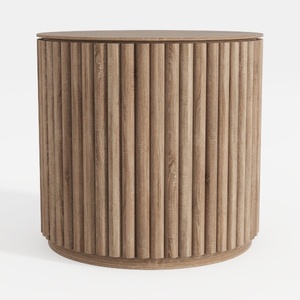
Minimalist Fluted Solid Wood Round Side Table 3D Model
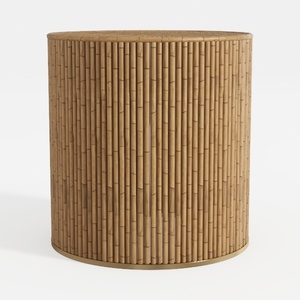
Bohemian Bamboo Wrapped Round Side Table Accent 3D Model
Transform your home design dreams into reality with Homestyler! This user-friendly platform offers an intuitive online design tool, stunning 3D renderings, and a plethora of design projects. Plus, with engaging video tutorials, anyone can become a DIY home designer. Start your creative journey today!
Design Now for FREE
































