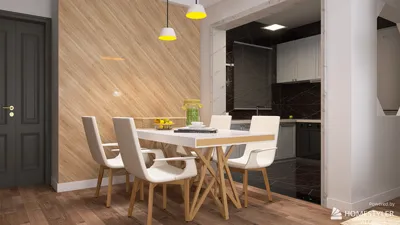


I create dining tables designed to endure for decades rather than just seasons. An effective design harmonizes proportion, structure, and comfort, allowing the table to accommodate meals, work tasks, and social gatherings without any wobble or visual disorder. Before cutting any lumber, establish the intended function of the table: will it be a family gathering spot, a compact piece for a small apartment, or a versatile table for entertaining? Utilizing a design tool like Homestyler can help visualize the final product before construction.
Getting the size right is crucial. Research by Gensler indicates that for collaborative spaces, personal areas should be approximately 24–30 inches per individual; applied to dining settings, a 72-inch table comfortably seats six. In contrast, tables measuring 84–96 inches can fit eight, providing ample elbow room. For leg clearance, recommendations from WELL v2 suggest a seated knee height of about 25 inches, hence it’s wise to plan for at least 26–27 inches of under-table space, especially if using thicker tops and aprons to prevent discomfort.
Adequate lighting is as vital as the choice of timber. According to guidelines from the Illuminating Engineering Society, dining areas should aim for 300–500 lux on the tabletop to ensure comfortable eating without harsh glare. Opt for dimmable pendant lights or layered sconces, and prefer matte surfaces to minimize eye strain from specular reflections. Moreover, color plays a crucial role; Verywell Mind links warm colors to enhanced appetite and sociability, whereas cooler shades can help create a calm dining atmosphere—consider warm wood species or finishes when lively dining energy is desired.
Establishing Proper Proportions
Classic proportions ground a table visually. For rectangular designs, I target a top thickness of 1–1.25 inches made from hardwood, an apron depth of 3–3.5 inches, and square legs measuring 2.25–2.75 inches for a balanced appearance. For round tables, a balanced feel is achieved when the diameter is 1.5–1.8 times the height; a 30-inch high table pairs well with a diameter of 45–54 inches. Should your room be snug, consider simulating space and movement with a room layout tool like Homestyler to ensure proper flow and chair maneuverability prior to committing to dimensions.
Choosing the Right Materials
The selection of materials influences the longevity of your table. Oak and ash are resilient against denting, while walnut provides a rich aesthetic but should be treated with a protective finish due to its slightly softer nature. Engineered materials like high-grade plywood or MDF with hardwood edges reduce seasonal shifts, making them ideal for contemporary designs. For eco-friendliness, look for FSC-certified materials and waterborne finishes with low VOCs; these options minimize odor and cure faster without excessive yellowing.
Durable Joinery Techniques
Wood reacts to humidity and will expand across the grain. Employ mechanical strategies that allow for this movement without damaging the joints. Breadboard ends are effective in keeping wide surfaces flat while permitting expansion in the center; I use offset pegs to secure tenons. Mortise-and-tenon joints are my preference for aprons for stability; pocket screws can be utilized for non-structural components but aren’t recommended for preventing racking during heavy use. For longer tables, consider introducing a hidden stretcher or mid-rail to counteract sagging, and position legs at least 12 inches from the ends to create a natural feel when corner seating.
Comfort Considerations: Ergonomics and Legroom
Chairs usually sit between 17 and 19 inches high. Aim for a table height of 29–30 inches, ensuring a minimum of 26 inches of clearance under the apron. Narrow aprons (≤3.5 inches) reduce thigh contact, while chamfered edges on aprons soften touch points. When dealing with pedestal bases, verify toe clearance and avoid oversized bases that inhibit proper foot positioning.
Acoustics and Surface Material
Hard, shiny surfaces can magnify noise. If your dining area tends to be lively, opt for open-pore finishes or oil-wax combinations that help soften sounds. Placing felt or cork mats beneath placemats can reduce noise during family dinners. Additionally, rounded edges—3–5 mm radius—enhance tactile comfort and prevent chipping.
Protective Finishes for Longevity
Dining tables endure exposure to heat, moisture, and wear. There are two main finishing paths: a catalyzed polyurethane for outstanding protection or a hardwax oil for better repairability and a tactile sensation. I typically apply a waterborne polyurethane sealer, followed by two coats of clear for an even finish. For hardwax oils, plan for seasonal maintenance; spot repairs are straightforward and maintain the wood’s unique character.
Step-by-Step DIY Construction Guide
Start by assessing the number of daily diners versus occasional guests. For six diners, a width of 36–40 inches and a length of 72 inches is ideal. For round tables, 48 inches accommodates four to five comfortably.
Create sketches of elevations and sections, noting apron depths and leg placements. Use an interior planning application like Homestyler to mark outlines on the floor, testing chair pull-back distances (aim for 36 inches of clearance behind chairs in movement zones).
Joint and plane the boards, alternating grain directions to reduce cupping. Glue in stages, then use cauls to keep the panel flat during clamping. Incorporate biscuits or loose tenons solely for alignment; strength is achieved through ample glue coverage and tight joints.
Cut the legs and aprons; layout mortises and tenons using 1/3-thickness tenons for the best strength. Conduct a dry fit to ensure the frame is square and incorporate corner blocks for added torsional rigidity.
Utilize figure-8 fasteners or elongated screw slots on tabletop buttons, allowing the top to shift with the grain without issues. Adjust the tension just enough to secure the hardware; overtightening can lead to cracks during winter.
Sand starting from 120 to 180 grit for hardwoods; increase to 220 grit if applying a sprayed clear coat. Round the edges slightly to diminish dent visibility.
Apply the chosen finish according to the manufacturer's instructions. Allow full curing time—polyurethane may require 7–10 days before heavy use, while hardwax oils generally require multiple thin applications.
For optimal lighting, hang pendants 28–34 inches above the tabletop to balance brightness and visibility. Use diffusers and dimmers to prevent glare on glossy surfaces, maintaining 300–500 lux for comfortable dining conditions.
Design Alternatives
This design complements Scandinavian interiors beautifully; keep leg splay subtle (6–8 degrees) for stability without creating trip hazards.
Incorporate a center stretcher with tusk tenons for easy assembly. Ideal for long tables and adaptable seating arrangements.
Perfect for compact spaces. Make sure the pedestal diameter is about one-third of the table's top to avoid tipping and leg interference.
Color and Ambiance
Warm mid-tones, like honey oak and walnut, enhance appetite and foster conversation, whereas lighter shades like ash or whitewashed finishes can reduce visual clutter in multifunctional work-dining areas. Coordinate colors with walls and textiles to achieve a cohesive feel that isn’t overpowering.
Maintenance and Longevity
Utilize coasters for hot dishes, promptly wipe spills, and re-buff oil finishes every quarter. Check fasteners every two years, particularly for the movement hardware underneath. Address minor dings with wax sticks or spot sanding to prevent further damage.
FAQ
Plan for 20–24 inches per person in width and at least 14 inches in depth per seating arrangement. A width of 36–40 inches allows for platters and decor while maintaining reachability.
The standard height is 29–30 inches to align with seat heights of 17–19 inches. Maintain about 26 inches of knee clearance beneath the apron for comfort.
Alternate growth ring orientation during the gluing process, use cauls while clamping, and ensure even finishing on both sides. Make room for seasonal movement using flexible hardware.
Catalyzed polyurethane provides superior resistance against water and wear. Hardwax oils offer easier repair options and a more natural appearance but require periodic maintenance.
Yes, provided the pedestal’s base is proportionate—approximately one-third the diameter of the table top—and the weight is centered. Adjustable feet can help avoid wobbling on uneven surfaces.
Ensure 36 inches of clearance around seating in walkways. In smaller rooms, 30 inches can suffice where foot traffic is minimal.
High-quality plywood with a hardwood veneer is dimensionally stable and particularly suited for modern designs. Edge it with solid wood for durability and a clean look.
Use figure-8 fasteners, tabletop clips, or elongated screw slots for button attachments. Secure along the centerline, allowing edges to expand and contract freely.
Aim for 300–500 lux on the tabletop with adjustable fixtures. Suspend pendants 28–34 inches above the surface to avoid glare and ensure clear sightlines.
Oak, ash, and maple are resilient, readily available, and durable for everyday use. Walnut is aesthetically pleasing but softer; protect it with a strong finish.
Select tables around 84–96 inches long and 36–42 inches wide, depending on chair dimensions and room flow. Use a layout simulation tool like Homestyler to confirm spacing prior to cutting.
Built on technology originally developed at Autodesk, Homestyler empowers anyone to design beautiful, realistic spaces in minutes. Join over 18 million users who have already discovered a smarter way to plan, visualize, and bring their dream homes to life — all from the comfort of a browser.
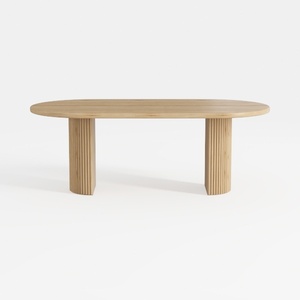

Minimalist Solid Wood Fluted Oval Dining Table 3D Model
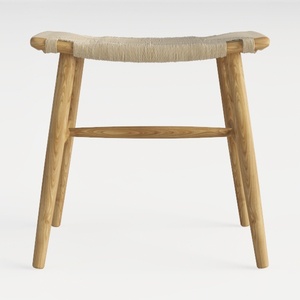
Maven Lane 31" Sophia Backless Bar Stool
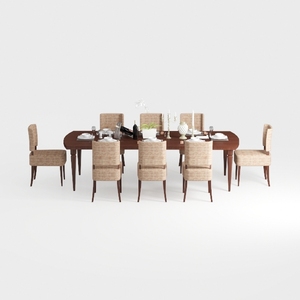
Modern Solid Wood Fabric Upholstered 8 Seat Dining Table Set 3D Model
Homestyler is an outstanding online home design platform that makes it easy to create stunning spaces. With its user-friendly design tool, extensive 3D rendering options, and a wealth of DIY video tutorials, you can effortlessly bring your interior design visions to life. Start your creative journey today!
Design Now for FREE
































