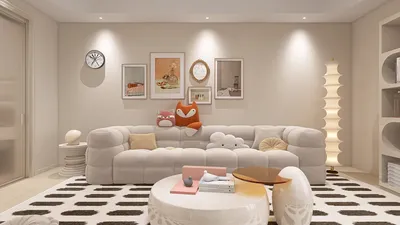


I have created countless sliding mirrors, ranging from compact entryways to spacious bedrooms. One remarkable enhancement is a barn door mirror; this addition not only reflects light but also visually makes smaller spaces seem larger while providing hidden storage or access solutions. In smaller homes, the right mirrors can make a room feel up to a third larger by elongating sightlines. Additionally, research from Steelcase indicates that brighter environments can improve perceived wellbeing and mental clarity—evidently, the combination of natural light and reflective surfaces is key to this enhancement. The WELL v2 framework further suggests that effective lighting strategies should balance brightness and glare, promoting visual comfort, which a well-placed, sizable mirror can effectively achieve across a room.
Equally crucial to aesthetics is functionality. Research from Gensler correlates lighting quality with focus and satisfaction in both work and living environments, while the Illuminating Engineering Society (IES) recommends a task illuminance ranging from 300 to 500 lux for grooming or dressing areas. This can be accomplished by positioning reflective surfaces in proximity to sconces or overhead lighting, followed by checking brightness levels with a simple light meter. Neutral wall colors surrounding the mirror (with a Light Reflectance Value between 60 and 70) can enhance light reflection while minimizing glare.
What You’ll Construct
A full-height sliding mirror attached to a barn-door track, crafted in either wood or metal, equipped with soft-close hardware and hidden wall stops. This design can be adapted for closets, vanities, hallway alcoves, or even as an eye-catching element above a shallow storage space.
Necessary Materials and Tools
- Mirror: 5–6 mm tempered or laminated safety glass, beveling is optional
- Backer: 18 mm plywood or moisture-resistant MDF panel cut to the dimensions of the door
- Frame: 1x3 or 1x4 hardwood (such as oak, ash, or maple) or a slim steel angle for a contemporary touch
- Track: Heavy-duty barn door hardware set with soft-close, capable of supporting 1.5 times the weight of the door
- Fasteners: Wood screws, construction adhesive, non-bleeding mirror mastic, and finish nails
- Safety Gear: Cut-resistant gloves, safety goggles, suction cups for glass handling
- Finishing Products: Stains or paint, clear coat (like waterborne polyurethane), silicone for sealing edges
- Optional Elements: Felt guide, floor guide, anti-jump brackets, recessed pull handle
Determining Size and Proportions
For ease of use and visual harmony, I generally size the mirror to cover 70–80% of the wall height, with at least 60 cm (24 in) clearance above the floor to the top of the typical eye level for adults; in bedrooms, utilizing a height of 200–220 cm (79–87 in) creates a sleek, full-length appearance. Ensure the door width is 1.1 to 1.25 times the width of the opening to adequately cover sightlines when closed. If planning for storage behind it, include a 20–30 mm gap for handles and hinges to function smoothly.
Planning for clearances early on can save headaches later. For small apartments or studios, a sliding mirror offers protection for swing space and facilitates smoother flow through areas; if you are exploring various layout options, utilizing a quick interior layout planner such as the one offered by Homestyler can be a great time-saver.
Step-by-Step Construction
- Begin by cutting the backer panel to the desired size, ensuring flatness since any warping will be visible once the mirror is installed.
- Rip and miter your frame material; leaving a 10–12 mm reveal around the mirror edge gives a polished look while protecting the glass corners.
- Dry-fit your frame to the backer. Use pocket screws or biscuit joints to enhance sturdiness.
- Prime the backer to seal it and limit moisture exposure. Mark the location for the mirror installation.
- Apply vertical beads of mirror mastic, following manufacturer guidelines for spacing, typically around 200-250 mm apart. Avoid using standard construction adhesive directly onto mirror backs as this can ruin the finish.
- Secure the mirror into place using suction cups, resting them on temporary spacers (3-4 mm) at the bottom edge. Gently press to set the adhesive, taking care not to compress it excessively.
- Once the mirror is set, install the frame around its perimeter, utilizing brads or screws from the back side. Incorporate corner splines to enhance durability.
- Caulk the interior perimeter with a fine bead of silicone to provide cushioning for the glass.
- Sand the surface and apply stain or paint. Two coatings of waterborne polyurethane will enhance resistance to wear without yellowing over time.
- Choose track hardware that is rated for at least 1.5 times the weight of the door; a standard 900x2100 mm door with an 18 mm backer and 6 mm glass can weigh between 35–45 kg—be sure to validate the specifications with your supplier.
- Secure the track to studs or a ledger board. Follow the standoff measurements prescribed by the hardware to ensure the door clears baseboards and handles appropriately.
- Install soft-close dampers to minimize any impact on the glass and include a floor guide to reduce swaying. A felt backing can help minimize noise and accidental impacts.
Lighting, Ergonomics, and Safety Considerations
- Lighting: For grooming or dressing, aim for a brightness of 300-500 lux at the height of the face, combined with a color temperature between 2700 and 3500 K to keep skin tones looking authentic. Position sconces at 150-165 cm (59-65 in) above the floor or alongside the mirror to lessen shadows in accordance with IES task recommendations.
- Human Factors: Place handles or recessed pulls at a height of 90-105 cm (35-41 in) for ease of access. Make sure there is at least 900 mm (36 in) of unobstructed floor space in front for dressing or doorway movement.
- Safety Measures: Opt for tempered or laminated mirrors in bedrooms and high-traffic areas. If children are present, using laminated glass with a PVB interlayer can help contain shards if breakage occurs.
Style Directions
- Modern Minimalist: Opt for a sleek black powder-coated steel frame, paired with warm white walls and light oak flooring. Incorporating 3000 K linear LED uplighting will enhance the visual appeal of the surface.
- Rustic Refined: A wire-brushed oak frame and matte black hardware, complemented by soft linen drapery. A neutral color scheme ensures the mirror remains a timeless feature.
- Coastal Style: Utilize whitewashed ash, brushed nickel fittings, and soft pastel wall colors. High Light Reflectance Value (LRV) paints can significantly amplify daylight.
Understanding Color Psychology and Visual Harmony
Light neutrals and gentle blues are known to reduce arousal and visual clutter—insights from Well Mind highlight that blues evoke calmness and focus. I steer clear of intense accent colors across from large mirrors to avoid overwhelming reflections. Aim for a balanced mix of solid and reflective surfaces: about 50-60% matte finishes, 20-30% semi-gloss, and a unique reflective feature for a well-proportioned appearance.
Sound and Material Considerations
A large glass surface can amplify sound. To mitigate echoes, consider adding a wool rug or a fabric panel opposite the mirror. In bathrooms, moisture-resistant MDF and marine-grade finishes can prevent swelling, while low-VOC products contribute to healthier indoor air quality; the WELL v2 framework emphasizes material selections that lower VOC presence and enhance occupant wellbeing.
Expert Installation Tips
- Pre-drill metal hardware to avoid splitting frames, and ensure the door and wall are plumb.
- If your wall is uneven, shim the track ledger to prevent the door from wobbling.
- Install anti-jump brackets if children or pets might pull on the panel.
- In rental spaces, consider a freestanding track system that requires no invasive attachment.
Maintenance Guidelines
Use a glass cleaner free from ammonia and soft microfiber cloths for upkeep. Re-wax wood frames every 6-12 months if they are subjected to humidity. Periodically check hardware fasteners as seasonal changes can lead to wood movement that loosens screws.
Ideal Locations for Implementation
- Bedroom closets that require a full-length mirror without sacrificing floor space
- Tight hallways intended to enhance perceived width and improve light reflection
- Studio apartments where the mirror can help define sleep and living zones while providing additional storage concealment
Cost Estimates and Timeline
DIY costs can range significantly based on finishes: typically expect a budget between $220–$600 for quality hardwood and suitable hardware; custom metal work will increase expenses. With pre-stained frames and off-the-shelf tracks, most projects can be completed in a weekend, factoring in the curing times for adhesives.
Frequently Asked Questions
Mount the track so that the finished door maintains a clearance of 10-12 mm (3/8–1/2 in) from the floor. This generally places the track 40-60 mm above the height of the door, as specified by hardware guidelines.
Absolutely—utilize moisture-resistant MDF, rust-resistant hardware, and tempered or laminated mirrors. Proper ventilation is crucial for preventing humidity-related wood swelling.
Laminated safety mirrors provide optimal containment; tempered glass is a close second and both are appropriate for sliding applications.
Embrace diffused sconces with a light temperature ranging between 2700 and 3500 K, placing them slightly above eye level and angled to prevent direct reflections. Ensure the lighting provides 300-500 lux at the task plane, adhering to IES recommendations.
Visually, mirrors can seem chilly when paired with stark white surroundings. Introduce warm woods, fabrics, and a light temperature around 3000 K to balance the aesthetic.
Opt for mid-to-high light reflectance value (LRV) neutrals (60–70) like warm gray, sand, or soft taupe, as these colors reflect light without creating sharp contrasts. Lighter blues for tranquility, according to color psychology studies can be quite effective.
Highly recommended. Such enhancements protect glass from impacts, reduce noise, and offer a premium touch to daily experiences.
Consult local regulations. Many areas require unobstructed access to panels. If permissible, maintain clearances and consider using a lift-off or easily sliding panel mechanism.
Install a floor guide aligned with a groove at the base of the door and incorporate anti-jump brackets on the hanger wheels.
Utilize 1x3 lumber (approx. 19x64 mm) to achieve a good balance of stiffness and manageability. If a sleeker modern appearance is desired, a steel angle ranging from 20-25 mm works effectively.
Use mirror mastic plus perimeter framing or clips for secure installation. Remember that mastic alone might shift over time on vertical surfaces.
References and Additional Reading
To explore targets for lighting comfort and research on spatial wellbeing, check out WELL v2 (v2.wellcertified.com) and the findings from Steelcase regarding workplace environments (steelcase.com/research). These resources provide valuable insights applicable to home design as well.


Homestyler is an outstanding online home design platform that allows you to seamlessly create stunning interiors. With its user-friendly design tool, realistic 3D renderings, and a treasure trove of design projects and DIY video tutorials, transforming your home has never been easier or more enjoyable!
Progetta ora GRATIS
































