


Constructing a three-dimensional representation of plant and animal cells can be an excellent method to visually grasp the distinctions and commonalities between these essential biological units. Typically, both cell types contain vital organelles such as the nucleus, cytoplasm, mitochondria, and cell membrane, but plant cells uniquely include chloroplasts, a rigid cell wall, and a sizable central vacuole. For your 3D model, you might consider using materials like colored clay, foam spheres, or even upcycled materials. Begin by researching diagrams of cells and their respective functions, then strategize your layout—decide whether to display the organelles within a clear container or construct layers to illustrate their spatial connections. As a designer, I prioritize aspects like proportion, texture, and color when creating educational models, since these elements contribute significantly to effective visual communication. If you're interested in a more interactive approach or wish to develop a digital version, utilizing tools like Homestyler can enhance your conceptual cell model, allowing for rotation, zoom features, and engaging learning experiences. This technique not only improves visual communication but also refines spatial awareness, which is crucial in both biology and interior design.
Tips for Successful Modeling:
To enhance the realism of your model, group similar components together, employ vibrant contrasting hues for different organelles, and label each part clearly. If you're planning to showcase the model in a classroom or during a presentation, think about the lighting and background to maximize visibility and interest—similar to how one would highlight a focal point in a thoughtfully designed interior space.
Frequently Asked Questions
Q: What materials work best for crafting a 3D cell model?
A: Suitable materials include colored clay, playdough, foam, and everyday recyclable items such as bottle caps. Opt for materials based on their durability and the ease with which they can be manipulated.
Q: How can I effectively illustrate the differences between plant and animal cells in my model?
A: Highlight the unique features: incorporate chloroplasts, a cell wall, and a large vacuole for plant cells, while excluding these for animal cells, which should include smaller vacuoles instead.
Q: What are the advantages of utilizing a digital 3D model tool?
A: Digital modeling tools offer the benefit of interactive exploration, easy adjustments, and the capability to visualize complex structures from various angles.
Q: How should I go about labeling my 3D cell model?
A: Implement small flags, tags, or digital annotations to distinctly identify each organelle. Make sure the labels are legible without obstructing the view of the model.
Q: Can learning about cell structure contribute to design thinking skills?
A: Certainly! Gaining insight into spatial relationships within cells nurtures skills that are vital for layout planning and design visualization.
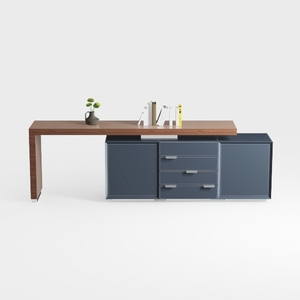
Modern Solid Wood Walnut Dark Blue Office Sideboard Console Table 3D Model
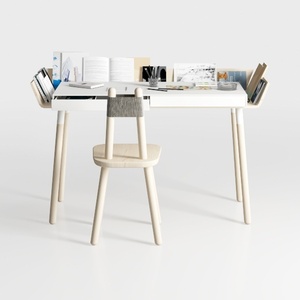

Minimalist Solid Wood White Home Office Desk and Chair 3D Model

Homestyler is your go-to online platform for transforming home design dreams into reality. With its user-friendly design tool, stunning 3D renderings, and a wealth of inspiring projects and video tutorials, you can effortlessly create and visualize your perfect space. Try it now!
Progetta ora GRATIS
































