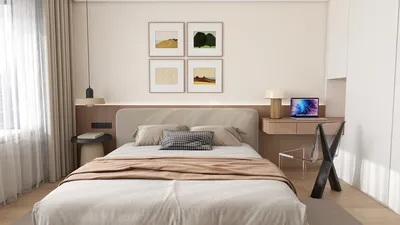


I’ve created climbing spaces for enthusiasts in apartments and constructed full-height home bouldering walls in garages. The key to transforming a simple structure into a user-friendly wall lies in thorough planning: accounting for accurate loads, well-defined fall zones, and routes that adapt to your growing strength. A thoughtfully created home wall can significantly enhance performance—especially when you consider factors like lighting, materials, and ergonomics from the start. Incorporating tools like Homestyler can simplify your design process.
Before you install anything, it's crucial to assess both space and safety. Research has consistently shown that our surroundings have a profound impact on our behavior; the arrangement of clearances and sightlines directly affects how often we use a space and whether we follow safety protocols. For lighting, it's recommended to aim for 300–500 lux in task areas; targeting around 500 lux on your wall enhances visibility of holds, thereby minimizing mis-grabs, and using a warm-neutral 3500–4000K light helps in accurate color display while reducing glare. Color selection is also vital for motivation; studies on color psychology suggest that greens and blues stimulate calm focus, whereas energetic colors like orange and yellow can boost perceived energy.
Define Your Climbing Intent and Constraints
Determine the primary goal: a kid-friendly traverse, an adult training board, or a versatile bouldering panel. Your intent influences the wall's angle, height, and padding intensity. For most homes, a 20–35° overhang is ideal for intermediate strength training; a vertical setup plus a 10–15° kicker is more accommodating for families and skill enhancement. Ensure there’s a fall corridor extending at least 2 feet (60 cm) beyond all edges, free of obstructions like ceiling fixtures or beams that might enhance swing paths.
Measure, Model, and Test Your Layout
Begin by creating a scale sketch that includes studs, ceiling height, doors, and any obstructions. To facilitate quick adjustments—especially regarding overhangs, pad layouts, and crash-mat areas—utilize an interior layout planner like Homestyler, which helps simulate furniture placements and safety zones. This tool can effectively visualize wall angles, landing spots, and lighting placement prior to construction.
Structural Planning: Studs, Loads, and Fasteners
Identify framing using a reliable stud finder and confirm with pilot holes. For a 3/4 in (19 mm) plywood surface, devise a framework of 2x4 or 2x6 lumber positioned 16 in (406 mm) apart. For added support on overhangs, integrate triangular gussets and ledger boards securely anchored into studs or concrete. Opt for structural screws or lag bolts rated for shear strength; avoid using drywall anchors. Ensure each T-nut or insert correctly embeds in solid plywood; MDF is not a suitable alternative. When mounting on concrete or masonry, utilize sleeve or wedge anchors following the manufacturer's specifications. If uncertain, it's advisable to consult a licensed contractor or structural engineer—particularly for installations at steep angles or on upper floors.
Panel Material and Hold Grid
Choose 3/4 in (19 mm) FSC-certified plywood, known for its durability, strong screw-holding capabilities, and sustainability. Pre-drill a grid for T-nuts; spacing of 6–8 in (150–200 mm) strikes the perfect balance—sufficiently dense for various routes but not overly complex. Use zinc-plated T-nuts installed from the back, ensuring they sit flush. Countersink the screws to prevent them from interfering with hold placements.
Choosing Angles: Ergonomics, Progression, and Safety
- Vertical (0–5°): ideal for children, technique exercises, and mobility days.
- Slight Overhang (10–20°): a good balance of strength and technique; perfect for daily training.
- Steep Overhang (25–40°): requires powerful movement and core strength; demands thicker pads and careful fall zone planning.
- Roof Sections (>45°): suitable for advanced users; ensure that pad depth is substantial, and the landing area is unobstructed.
I prefer modular options: consider hinging a kicker panel at the base or creating a center bay at 25–30° with adjoining vertical panels for warm-up and cooldown.
Surface Finish: Texture, Friction, and Care
Prime all panels and then apply a textured coat. A typical professional mix consists of exterior latex paint combined with silica sand or rubber granules. The surface should be gripping yet gentle on the skin—too abrasive can damage fingers and shoe rubber. Matte finishes help reduce glare under intense task lighting. Consider color-blocking to subtly differentiate route zones; cooler colors on steeper parts can visually diminish mass and reduce perceptions of clutter.
Lighting for Visibility and Safety
Aim for about 500 lux on holds per IES task guidance, ensuring uniform distribution (U0 ≥ 0.6) to avoid hot spots. Use track heads angled 30–45° off the wall to minimize shadows and enhance depth perception. Choose lamps with a 90+ CRI to ensure color-coded routes are distinctly visible. Dimming options can aid in transitioning from high-intensity training to recovery phases. To minimize glare, employ shielded fixtures, matte wall paints, and strategically aimed beams.
Crash Padding and Fall Zones
For bouldering walls below 10 ft (3 m), I recommend layered foam pads measuring 4–8 in (100–200 mm): a firm closed-cell top layer for impact distribution, a softer open-cell core for shock absorption, and a robust, non-slip outer cover. Ensure pads extend beyond the edges and the base of kickers. It's crucial to keep hard objects like benches and weights out of the landing area.
Route Setting: Variety, Progression, and Flow
Initiate with a color-coded system to indicate difficulty levels. Mix different types of holds: jugs for warming up, edges and slopers for moderate challenges, and pinches or volumes for power workouts. Keep a diversity of route types available: skill (footwork, balance), strength (compression, lock-offs), and endurance (link-ups and circuits). Reset smaller sections on a monthly basis to keep enthusiasm high. For family walls, designate a vertical panel with ample footholds and generous jugs to give children a safe space to gain confidence.
Human Factors: Reach, Spacing, and Movement Rhythm
For routes aimed at adults, typical comfortable spacing for moves ranges from 12 to 24 in (30 to 60 cm) vertically, with lateral variations to fine-tune body positioning. Position start holds approximately 12 to 18 in (30 to 45 cm) above the pad height to facilitate easier initiations. Avoid placing shoulder-width crimps too high, as this can lead to joint strain. Ensure top-outs are matchable or use large finishing jugs to prevent awkward deadpoints at the edges.
Acoustics and Neighbor-Friendly Design
The impacts and excitement from climbers can produce significant noise. To mitigate this, integrate a layer of high-density rubber beneath pads, and treat adjacent walls with fabric panels or bookshelves to absorb higher frequency sounds. Heavy curtains can be utilized on windows to reduce sound reflections. This approach enhances focus and promotes neighborly harmony.
Ventilation, Chalk Management, and Cleanability
Utilize a quiet exhaust fan or keep a window slightly ajar for airflow; direct conditioned air away from the wall to avoid damp holds. A small HEPA air purifier positioned nearby helps capture chalk dust. Maintain a nylon brush at the base for cleaning holds, and wash polyurethane surfaces with warm water and gentle detergent once a month; steer clear of harsh solvents that may deteriorate texture.
Safety Protocols and Maintenance
Weekly: m a quick torque check on frequently used holds and perform a visual inspection for any cracks in panels. Monthly: rotate holds to mitigate wear and clean any chalk build-up on grips. Quarterly: re-tighten structural connections, examine anchors, and replace any compromised T-nuts. Introduce a straightforward warm-up sequence and train spotters to ensure they guide climbers towards the pad rather than catching them mid-air.
Budgeting and Phasing the Build
- Structure and Panels: 40–55% of the total budget
- Holds and Volumes: 25–35%
- Lighting and Electrical: 5–10%
- Pads and Acoustics: 10–20%
- Paint and Tools: 5–10%
Consider a phased approach: construct the main section first, then incorporate angles or volumes as skills develop. This strategy helps manage costs while allowing for gradual enhancements in your climbing area.
Well-Being and Recovery Cues
Integrate behavior-influencing elements around your wall: a foam roller and hangboard nearby, a small bench for shoes and tape, and warm ambient lighting at 2700–3000K for post-training cooldown. The WELL Building Standard highlights the importance of lighting that fosters both performance and recovery; pair your 500-lux training setup with a more soothing evening lighting option to support better sleep hygiene.
When Space Is Tight: Smart Alternatives
Explore the possibility of a fold-up panel using piano hinges, a removable campus rung strip, or a compact 10–15° board placed over storage. Use layout simulation tools like Homestyler to ensure doors, bikes, and laundry areas remain accessible.
Quick Build Sequence
1) Confirm stud locations or the type of concrete substrate. 2) Build the ledger and substructure. 3) Pre-drill your T-nut grid and install the T-nuts. 4) Attach the panels and countersink all screws. 5) Apply texture and paint finishes. 6) Set up lighting and electrical fixtures. 7) Position pads and rubber underlayment. 8) Establish a warm-up routine and a flagship route for practice. 9) Document your climbs, reset routes monthly, and enjoy advancing your skills.
FAQ
For most rooms, a height of 8–10 ft (2.4–3 m) is appropriate. Maintain a distance of at least 12–18 in (30–45 cm) from the ceiling to prevent head injuries, and increase padding coverage as height rises.
Aim for approximately 500 lux on the wall surface alongside a 90+ CRI and color temperature between 3500–4000K. This setup aligns with task-lighting recommendations from IES, ensuring accurate reading of hold textures and colors.
Use layered foam pads measuring 4–8 in (100–200 mm) for walls below 10 ft, featuring a firm surface on top and a softer interior. Extend padding beyond the edges and keep the landing zone free of hard objects.
Yes, provided the wall structure is reinforced, pads are sufficiently thick, and fall zones are adequately sized. Start with angles between 20–25° before progressing to steeper ones at 30–40°, and refresh spotting methods accordingly.
A T-nut grid with spacing of 6–8 in (150–200 mm) ensures ample options for varied routes without overcrowding. Feel free to leave some positions vacant for a clearer setting approach.
Integrate high-density rubber below the pads, add fabric acoustic panels or bookshelves along walls, and employ soft-close hardware on storage units to reduce incidental noise.
Apply a primer, followed by a coating of exterior latex mixed with silica sand or rubber granules. Opt for a matte surface to lower glare; avoid overly rough textures that may hurt skin and shoes.
Refresh a section of routes monthly. Maintain a stable warm-up circuit, rotate one strength-based route every 2–3 weeks, and alter an endurance setup each month to keep engagement levels high.
Typically, simple vertical panels secured to studs do not demand permits, though steep overhangs, expansive spans, or transformations of garage spaces might. When uncertain about loads or anchoring methods, consult a licensed contractor or structural engineer.
Absolutely. Dedicate a vertical space equipped with large jugs and low start holds for younger climbers, while designing steeper or higher-difficulty problems on a separate panel. Color-coding will clarify the difficulty for users.
References
- Task visibility and lighting: IES task illumination guidance (ies.org/standards).
- Insights into color and mood: Verywell Mind on color psychology (verywellmind.com/color-psychology).
- Wellness lighting guidelines: WELL v2 (wellcertified.com).

Discover the magic of home design with Homestyler! This exceptional online platform offers an intuitive design tool, stunning 3D renderings, and a wealth of DIY video tutorials. Whether you're a novice or an experienced designer, Homestyler makes it simple to transform your vision into reality.
Design Now for FREE
































