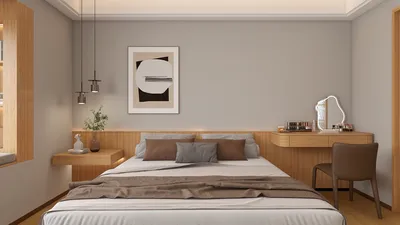


Transforming everyday materials into fun and durable spaces is a passion of mine. A cardboard Barbie house serves as an ideal weekend project—it’s affordable, easily customizable, and remarkably robust when designed thoughtfully, much like real interior spaces. Consider elements like zones, circulation paths, light, acoustics, and material choices; even on a smaller scale, these factors hold significant importance.
Effective design hinges on maintaining proportion and ensuring functional flow. Gensler's workplace research found that well-thought-out layouts can enhance perceived effectiveness by 30%, primarily through improved adjacency and circulation. These principles translate seamlessly to miniature designs when the layout of rooms and pathways is clear. Research from Steelcase suggests that well-defined zones aligned with user behavior reduce friction; thus, creating distinct areas for sleeping, lounging, cooking, and dressing will enrich play experiences in your Barbie house. Regarding lighting, the Illuminating Engineering Society recommends ambient light levels and glare management suitable for human scale; even in miniature, soft, indirect LED strips tucked beneath cardboard soffits provide a warm, inviting illumination. For deeper insights into space effectiveness and behavioral zoning, explore studies available on gensler.com/research.
Define Your Scale and Structure
Barbie dolls typically stand about 11.5 inches, or 29 cm tall. Aim for a minimum room height of 16–18 inches to ensure that furniture placements don’t feel congested. For your base dimensions, start with a footprint of 24 x 18 inches per level. Utilize double-wall corrugated cardboard (E-flute or double-wall) for the walls and floors. Laminate two sheets together using PVA glue to enhance stiffness. I prefer to score fold lines and add simple internal support strips (2-inch wide) beneath the floors to prevent sagging.
Organizing Zones and Circulation
Divide the layout into three fundamental zones: living/lounge, kitchen/dining, and bedroom/dressing. Incorporate a 3–4 inch corridor or cutaway along one side for effortless hand access. Combine levels with a removable facade for easy play access. To visualize your design before cutting, consider using a room layout planning tool. Position stairs or a ladder near the central axis to limit circulation dead ends. I prefer a U-shaped layout on the first level (kitchen and lounge on the wings, with circulation in the center) and a linear layout on the second level (bedroom and dressing area).
Constructing Walls, Floors, and Joints
For the walls, create panels with interlocking tabs and include slots at 1-inch intervals for strong friction joints. For the floors, layer cardboard around popsicle sticks or bamboo skewers positioned every 3 inches for added rigidity. Reinforce corners with glued triangular gussets inside for additional stability. Ensure the facade is detachable by employing magnetic closures on the edges for a neat finish and easy reconfiguration.
Lighting: Soft, Safe, and Comfortable
Utilize 5V USB micro-LED strips equipped with battery packs and route the wires through vertical channels. Indirect lighting, positioned behind a cardboard valance or underneath shelves, mitigates harsh lighting spots and simulates ambient home lighting. A color temperature between 2700–3000K creates a warm feel, ideal for typical living spaces. Be careful to keep LEDs clear of paper edges and consider using small aluminum tape channels for heat dissipation and to avoid direct contact.
Understanding Color Psychology and Finishes
Color has a profound impact on mood; according to Verywell Mind, pinks often evoke a sense of calm and warmth, whereas vibrant yellows can energize a space. I create a harmonious balance between a soft pink bedroom, a refreshing mint kitchen, and a neutral lounge with light greige walls and pastel accents. Opt for matte acrylic paint or non-toxic craft paints; glossy finishes on smaller surfaces may create glare and visual clutter. Don't overlook texture—include fabric remnants for rugs, balsa wood for countertops, and printed scrapbook paper to replicate tile patterns.
Creating Acoustic Comfort (Miniature Scale)
While dolls may be indifferent to noise, you certainly won't be. Lining the floors with felt helps absorb vibrations from the tabletop and shield surfaces beneath. Fabric curtains and small cork panels applied to interior walls can soften sound during energetic play; this mirrors the use of soft finishes in actual rooms.
The Ergonomics of Play
When designing at a toy scale, hand access, reachability, and stability must be considered. Ensure open sides are at least 8 inches wide to facilitate easy furniture placement. To prevent sliding, stabilize the base with a heavier board or add rubber feet. Doorways of around 4 inches provide a natural flow for the dolls. Additionally, rounded edges can reduce snags and the wear of paper surfaces.
Step-by-Step Construction Guide
1) Start with a plan and sketch: outline room functions and adjacencies; ensure a clear path from entry to stairs.
2) Cut the base and floors: laminate two sheets for each level and add ribbing underneath for support.
3) Cut the walls with tabs and slots: perform a dry fit before permanent assembly.
4) Install vertical channels: these will facilitate lighting wires and structural dowels.
5) Assemble the core shell: glue gussets at corners and attach the facade magnets.
6) Integrate stairs or a ladder: utilize cardboard stringers with dowel treads that provide a consistent rise of approximately 1.25 inches per step.
7) Finalize surfaces: begin with PVA primer, followed by painting; add wallpaper and trim features post-painting.
8) Install lighting: discreetly hide strips behind valances and verify battery access points.
9) Furnish the interior: create scaled balsa couches, incorporate fabric cushions, and use bottle caps for side tables—maintain compact footprints.
10) Facilitate access and maintenance: ensure removable facades and roof panels for convenient entry.
Room-Specific Design Suggestions
Living Lounge: select low, broad seating; a 5 x 3 inch sofa fits well within most setups. Employ a pastel accent wall and position light sources behind shelves for diffusion.
Kitchen/Dining: set up a galley layout with a 2-inch deep countertop; create 'tile' backsplashes using square paper pieces or washi tape. Place task lighting beneath upper shelves for targeted illumination.
Bedroom/Dressing: include a platform bed made of balsa and fabric for the mattress, and a micro-closet using hanging wires. Soft colors like pink or lavender contribute beautifully to a tranquil environment.
Safety and Longevity
Opt for non-toxic glues and paints during construction. Reinforce edges frequently touched with taped folds to enhance durability. Ensure all electrical components are safely insulated and refrain from using high-voltage options. Store the house in a moisture-free location; applying a clear acrylic topcoat can help protect the surface.
Sustainable Choices in Materials
Repurpose shipping boxes and cereal cartons for your interior elements; utilize water-based adhesives and paints. Materials like cork, balsa wood, and leftover fabric can add warmth without a significant environmental footprint. Implementing modular floors and removable walls makes maintenance and future upgrades straightforward.
Custom Features and Enhancements
Incorporate unique elements such as a rooftop terrace with railing, a foldable balcony, or a bay window crafted from curved laminated cardboard. Adding a mirrored dressing area using plastic mirror sheets and incorporating pocket doors can save space dramatically. A small planter box filled with paper foliage can breathe life into the design.
Frequent Pitfalls to Evade
Neglecting structural ribs leads to sagging floors; using excessively glossy finishes can cause glare; limited access points may render play less enjoyable. Prioritize zone planning before detailing.
Frequently Asked Questions
Q1: What thickness of cardboard is best for a multi-level Barbie house?
A1: Double-wall corrugated cardboard or two laminated single-wall sheets are optimal for providing necessary rigidity for floors and taller walls. Strengthen structures with internal ribs spaced every 3 inches.
Q2: How can I prevent warping during painting?
A2: Apply a coat of diluted PVA glue on both sides, allow it to dry completely, and then paint with thin layers. Balancing moisture on both sides helps maintain panel flatness.
Q3: What is a safe lighting option?
A3: Utilize low-heat 5V USB LED strips paired with battery packs. Route the wiring through cardboard channels, keeping strips clear of raw paper, and integrate aluminum tape channels to manage heat dissipation.
Q4: How can I create a layout that is easy to engage with?
A4: Design clear zones along with a simple circulation pathway. Gensler’s research on effective layouts emphasizes the importance of adjacency—centralize stairs and maintain wide access points.
Q5: Which colors are suitable for different rooms?
A5: Soft pinks and lavenders evoke tranquility in bedrooms; mints and gentle blues refresh kitchens; neutral tones in the lounge help minimize visual clutter. Sources like Verywell Mind highlight the calming effects of pink.
Q6: How do I ensure floors are sturdy enough for multi-level construction?
A6: Laminate two sheets together, add ribbing beneath, and connect walls securely using corner gussets. Utilizing popsicle sticks or bamboo skewers serves beautifully as lightweight joists.
Q7: Any suggestions for making facades movable?
A7: Design with small craft magnets or Velcro along edges. A removable front panel will keep the design clean while facilitating access during play.
Q8: What finishes are highly durable?
A8: Using matte craft paint paired with a clear acrylic sealer can resist scuffs. Fabric rugs and cork wall paneling are more durable against wear than paper alternatives.
Q9: How can I prevent the house from sliding off the table?
A9: Incorporating rubber feet or a felt base will enhance stability. A slightly heavier base board can provide the necessary steadiness when children lean in to play.
Q10: Can I safely add a balcony or roof deck?
A10: Absolutely—laminate your balcony platforms, secure them with side gussets, and use railings made from skewers. Be mindful of load distribution to the side walls for optimal safety.
Discover the magic of home design with Homestyler! This user-friendly online platform offers a powerful design tool, stunning 3D renderings, and a wealth of design projects and DIY video tutorials. Easily transform your space and unleash your creativity today!
立即免费设计
































