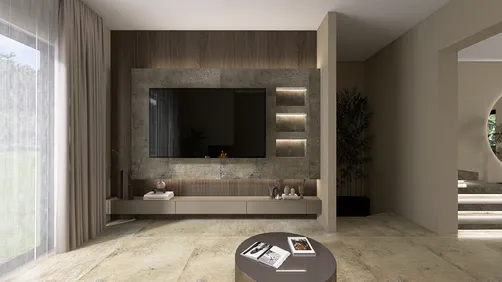
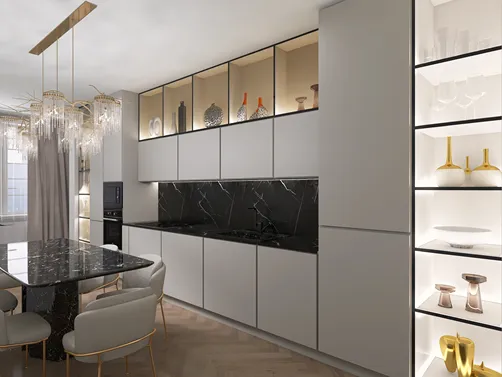
Having dedicated over a decade to assisting homeowners in revamping their small living rooms, I've discovered that the ceiling can dramatically alter the atmosphere of a space. With contemporary design trends focusing on textured ceilings, inviting colors, and creative lighting, small areas present exciting opportunities for inventive design. Today, I will share my top 10 budget-friendly ceiling ideas for living rooms, drawing inspiration from actual projects and professional expertise, while highlighting how the Homestyler can elevate your designs.
1. Painted Ceiling Accent
My Experience: I once transformed a compact 12×12 living room ceiling with a soft dusty blush paint, adding incredible depth to the room. This approach is a fantastic way to infuse character without straining your wallet.
Benefits: Affordable, quick application, and easily modifiable. It's a renter-friendly solution that can seamlessly integrate with your overall color scheme.
Drawbacks: Paint may emphasize uneven plaster, so thorough preparation is essential — a lesson I learned the hard way!
Advice: Opt for a satin finish for enhanced light reflection; a matte finish can create a flat appearance.
2. Faux Wood Beams
My Experience: I recently added lightweight polyurethane beams in my cousin’s small living space, giving the low ceiling a cozy, rustic charm instead of feeling confined.
Benefits: Introduces warmth and texture, easy to install by yourself, and costs significantly less than authentic wood beams.
Drawbacks: If not properly painted or stained, they may appear unnatural, and dust accumulation necessitates regular cleaning.
In one case, pairing these beams with an L-shaped layout opened up the floor space, enhancing the overall effect.
3. Ceiling Decals or Stencils
My Experience: I once executed a Moroccan-inspired stencil project on a client’s ceiling in just one afternoon, completely transforming the room’s ambiance.
Benefits: Cost-effective, customizable options that add intricate designs without any heavy construction.
Drawbacks: Precision is crucial; any unsteady hand can disrupt symmetry, and darker designs might create a sense of lower ceilings.
4. Simple Coffered Ceiling Using MDF
My Experience: I crafted an MDF coffered ceiling design in my home with a modest $150 budget, instantly adding architectural flair.
Benefits: Creates a dramatic visual effect for minimal investment, easy to paint, and conceals wiring while hiding imperfections.
Drawbacks: This project requires a weekend commitment — not ideal for those averse to DIY.
5. String Light Canopy
One of my favorite budget-conscious projects was draping warm string lights corner to corner, effectively producing a relaxed café-inspired atmosphere.
Benefits: Affordable, easily adjustable, and introduces soft, flattering illumination. Perfect for renters too.
Drawbacks: If not organized well, it can appear messy; not suitable for areas with high heat levels.
6. Fabric Ceiling Panels
I assisted a friend in covering a popcorn ceiling with stretched linen panels, resulting in a soft and airy ambiance.
Benefits: Cost-effective way to hide imperfections, adds texture, and can be updated based on the season.
Drawbacks: Fabric will collect dust, so choose materials that are washable.
Pairing the fabric tone with wooden accents fosters a warm and cohesive design atmosphere.
7. Metal Ceiling Tiles
My experience with recycled tin tiles granted my neighbor’s living room vintage appeal for under $200.
Benefits: Sturdy, reflective, humidity-resistant, and available in various styles.
Drawbacks: Installation demands patience and careful measurements.
8. Painted Stripes
In one of my Shanghai projects, bold horizontal stripes on the ceiling visually expanded a narrow living area.
Benefits: Cost-effective, customizable, and impactful — all without needing extra materials.
Drawbacks: Requires careful taping; otherwise, the paint lines may bleed and appear messy.
9. Plywood Paneling
I layered thin plywood boards and stained them for a warm Scandinavian vibe, all at a fraction of the cost of hardwood.
Benefits: Inexpensive, lightweight, and offers a contemporary rustic feel.
Drawbacks: Must be sealed to prevent warping due to humidity.
Coupling this approach with open storage can create a sense of continuity, making small homes feel larger.
10. Ceiling-Mounted Shelves
For a tiny studio living area, I utilized overhead shelves to showcase plants while maintaining an uncluttered floor space.
Benefits: Provides dual functionality of storage and aesthetics. Ideal for exhibiting lightweight décor.
Drawbacks: Requires sturdy anchors; avoid overcrowding the shelves.
Conclusion
Small living rooms may seem limiting but they encourage smarter and budget-friendly design solutions. As highlighted by Architectural Digest, creative design often springs from the need to innovate within constraints. Which of these budget-friendly ceiling ideas for your living room would you consider trying first with Homestyler’s help?
FAQ
1. What is the most inexpensive way to alter a living room ceiling?
Typically, painting provides an affordable, quick, and impactful solution to refresh a ceiling's appearance.
2. What are budget-friendly options to cover a popcorn ceiling?
Using fabric panels or thin plywood sheets efficiently conceals popcorn textures while remaining budget-conscious.
3. Are ceiling decals durable enough for long-term use?
Indeed, high-quality vinyl decals can endure for years when installed on clean, smooth surfaces.
4. Do darker ceilings create a more confined feel in rooms?
Often, yes. Dark shades can visually compress height; however, with effective lighting, they can provide a cozy atmosphere.
5. What are economical ways to inject texture into a ceiling?
Stenciling or incorporating faux beams are budget-friendly options that add dimensionality.
6. Can ceilings contribute to insulation?
Yes, materials such as fabric or wooden panels can offer modest insulation benefits, according to the U.S. Department of Energy.
7. What lighting options work best for low-ceiling living rooms?
Utilize flush-mount fixtures, recessed lighting, or indirect lighting to create an airy feel.
8. Is it worthwhile to DIY ceiling modifications?
Absolutely, especially for tasks like painting, applying decals, working with fabric, and light beams — it can save costs and provide more customization options.
Built on technology originally developed at Autodesk, Homestyler empowers anyone to design beautiful, realistic spaces in minutes. Join over 20+ million registered users (platform data, 2026) who have already discovered a smarter way to plan, visualize, and bring their dream homes to life — all from the comfort of a browser.
Discover the art of home design with Homestyler! This user-friendly online platform offers powerful design tools, stunning 3D renderings, and a wealth of inspirational projects. Plus, with engaging video tutorials, you'll have everything you need to create your dream space effortlessly. Start designing today!
Design Now for FREE












![[For my dearest Sabrinik 🧡]](https://hs-designs.homestyler.com/production/design/images/3f463715-5ed6-4c49-9346-16d464510aa6/1714085722568.jpg?x-oss-process=image/resize,w_502,m_mfit/format,webp)