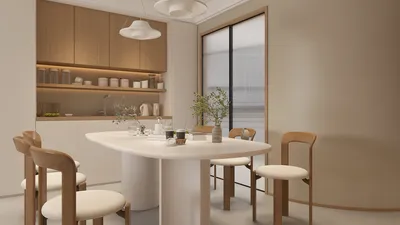


Brown curtains introduce an elegant touch to any living room, seamlessly tying together different color schemes, softening natural light, and enhancing comfort with minimal effort. I favor brown for its versatility, calming presence, and forgiving nature. Research from Steelcase indicates that environments with neutral colors consistently contribute to long-term satisfaction, outperforming trendy colors. This is crucial for productivity, as visually comfortable spaces enhance focus and minimize stress, aligning perfectly with the calming characteristics of warm neutrals. Additionally, the Illuminating Engineering Society (IES) suggests maintaining suitable luminance ratios to minimize glare and prevent visual fatigue—curtains play an essential role in this strategy, dispersing harsh sunlight and maintaining a stable contrast throughout the room using tools like Homestyler for design.
The psychology of color supports the appeal of brown: According to Verywell Mind, this hue signifies stability, reliability, and security—traits that foster a welcoming atmosphere in social environments without overwhelming the senses. From a health-focused design perspective, the WELL Building Standard emphasizes the significance of controllable daylight, glare management, and visual comfort; brown fabrics, particularly those with a matte finish, aid in regulating brightness and reflectance without dulling the room’s aesthetic. For those interested in enhancing wellness in their spaces, the WELL criteria regarding lighting and visual comfort create a useful framework for integrating curtains, glazing, and lighting with design tools like Homestyler.
Choosing the Ideal Brown Shade
When selecting a shade of brown, I begin with the room's existing finishes, including floors, upholstery, and wood tones. Light shades like camel or taupe harmonize well with pale oak and beige furniture, while a deep chocolate brown beautifully complements walnut cabinetry and charcoal-colored rugs. To achieve a balanced palette, I follow the 60/30/10 approach—allocating around 60% of the space to base neutrals (walls and major surfaces), 30% to secondary colors (curtains, rugs), and 10% to accent tones. If the space leans towards cooler colors (grey walls and black accents), introducing a warm brown curtain will balance the temperature without causing disharmony.
Texture, Weave, and Material Confidence
The texture of the fabric greatly influences how brown appears under natural light. Linen blends provide a subtle texture and semi-sheer privacy, while cotton twill falls with a crisp quality, perfect for modern design. Velvet adds richness and depth, ideal for elegant living areas or media rooms. For eco-conscious choices, explore OEKO-TEX certified materials or recycled polyester with a low sheen. A matte finish helps minimize glare—crucial in well-lit rooms—and enhances the visibility on screens. Using a design software like Homestyler can help visualize these elements effectively.
Control Over Light and Glare Management
A well-planned curtain layering system can achieve three objectives: diffusing light, managing views, and providing evening privacy. I typically recommend a dual-layer method: a sheer curtain for daytime elegance paired with a lined brown drape for night-time insulation. To avoid light hotspots on the walls and flooring, it's important to install the drapes to cover the entire window frame and consider returns on the track or rod to eliminate side light leaks. In media areas, heavy brown drapery with thermal or blackout lining reduces reflections on screens while maintaining comfortable luminance ratios, in accordance with IES guidelines and aided by design tools like Homestyler.
Hardware, Headings, and Proportions
When choosing hardware, it merits the same attention as the fabric itself. Options like oil-rubbed bronze or matte black rods add depth to the brown while providing a sleek outline. For a more organic feel, brushed brass can warm the color scheme. When selecting headings, pinch pleats suit formal settings, while ripplefold styles help maintain a modern aesthetic and ensure good stack-back. A good rule to follow is to mount the rod 6–10 inches above the window frame and extend it 8–12 inches beyond each side, ensuring that the curtains clear the glass when drawn open and allow maximum daylight. Panels should reach the floor; a slight break of 0.5–1 inch conveys a tailored look, while 2–4 inches creates a romantic ambiance.
Timeless Color Combinations
Brown pairs beautifully with layered neutrals and natural materials. Combine chocolate brown curtains with ivory walls and a textured jute rug for a sense of warmth. Medium walnut brown hues work well with dusty blue or sage accents—these cooler tones create an attractive contrast without feeling harsh. For more vibrant interiors, rust or terracotta cushions can reflect brown’s earthy foundation, while aged brass lamps provide a cohesive metallic element. In spaces with colorful artwork, it's best to keep the curtain hue solid and understated to prevent visual competition.
Layout and Spatial Harmony
Curtains significantly impact how ceiling height and window scale are perceived. Extending panels close to the ceiling draws the eye upward, while extending them across the wall can create a visual width in compact spaces. To optimize seating and media arrangement around windows, I utilize a room layout tool to simulate stack-back, solar paths, and reflection points based on various fabric weights and opacities. This ensures that brown drapery frames the views without obstructing essential daylight or overwhelming focal walls, enhancing overall design using features from Homestyler.
Acoustic and Thermal Comfort
Thicker brown fabrics provide moderate acoustic absorption, reducing sound reverberation in open-concept living areas. In homes with hard surfaces and minimal soft furnishings, lined curtains can significantly diminish flutter echo. Heavier weaves also help limit drafts, improving comfort during the evening. For homes prioritizing energy efficiency, consider adding interlining—a layer between the outer fabric and lining—to boost insulation while ensuring a graceful drape.
Care and Longevity Against Sun Damage
Sun exposure can fade fabrics over time. It's best to select solution-dyed fibers or UV-resistant linings for south-facing windows. Regular vacuuming with a soft brush and spot cleaning according to fabric care codes (W: water-based, S: solvent-based) extends the life of the curtains. Rotating panels seasonally helps even out exposure and maintain color vibrancy. In homes with pets or children, medium-brown shades are practical choices, hiding minor blemishes more effectively than extremely light or dark options.
Trend Movements and Anticipated Styles for 2024-2025
Brown’s resurgence in popularity mirrors the overall trend towards warmth, texture, and biophilic design. I'm witnessing a rise in layered neutrals, coffee-and-cream palettes, and textural contrast where brown curtains serve as the cohesive element. In minimalist spaces, softer browns temper stark lines, while eclectic designs welcome deeper shades for added mood and intimacy. The enduring appeal of brown ensures its relevance beyond passing trends, particularly as sustainability and durability remain key considerations in interior design.
- Shade: Choose to coordinate with floors and major upholstery
- Opacity: A sheer plus lined combination allows for adaptable light control
- Texture: A matte finish reduces glare; velvet provides richness and depth
- Heading: Ripplefold for contemporary aesthetics; pinch pleat for classic elegance
- Hardware: Select black, bronze, or brass to harmonize with your palette
- Width/Height: Generous stacking and a near-ceiling mount enhance appearance
- Maintenance: Utilize UV protection on sunny areas; rotate panels to prevent fading
Expert References
For insights into visual comfort, glare control, and wellness alignment, delve into the guidance and research from IES standards and the WELL Building Standard, all of which can be incorporated into your designs using Homestyler.
Frequently Asked Questions
Q1: What shade of brown is best suited for grey walls?
A medium warm brown—such as walnut or cocoa—adds just the right amount of warmth and contrast without creating discord. Combine it with ivory textiles and brushed brass accents for a softer feel.
Q2: Will brown curtains make a small living room appear darker?
Not if you manage the opacity and installation carefully. Opt for a lighter shade of brown with sheers installed high and wide to maximize daylight while introducing warmth.
Q3: Are blackout linings necessary for living rooms?
Only in spaces that are media-heavy or face strong west sunlight. A dim-out lining typically suffices, balancing glare control with desirable ambient lighting.
Q4: Which curtain heading is considered the most modern?
Ripplefold or tailored grommet headings create a clean look and offer consistent wave patterns that stack neatly, perfect for contemporary designs.
Q5: How do brown curtains influence the color psychology in gathering spaces?
Brown promotes a sense of stability and comfort, reducing visual tension and helping guests feel grounded—ideal for intimate conversation areas.
Q6: What materials provide the best combination of texture and easy maintenance?
Cotton-linen blends offer a natural feel and drape, while performance polyester with a matte finish resists fading and is easier to care for.
Q7: Can curtains assist with echo in open-plan spaces?
Indeed, heavier lined curtains help absorb sound, reducing echoes from hard floors and large window areas.
Q8: How wide should curtains be for proper coverage?
Aim for curtains that are 2–2.5 times wider than the window for an appropriate fullness. Extend the rod 8–12 inches beyond each side to keep the glass clear when drawn open.
Q9: Which hardware color best complements brown curtains?
Matte black offers a visually striking contrast, oil-rubbed bronze provides depth, and brushed brass injects warmth—consider matching them to existing metallic details.
Q10: What strategies can I employ to prevent sun damage on brown fabrics?
Choose UV-resistant linings, look for solution-dyed fibers, and rotate panels periodically to balance exposure and maintain vibrancy.




Homestyler is your go-to online home design platform! With an easy-to-use design tool, stunning 3D renderings, a wealth of design projects, and helpful DIY video tutorials, you can effortlessly create the home of your dreams, no matter your experience level. Start designing today!
Concevez maintenant gratuitement
































