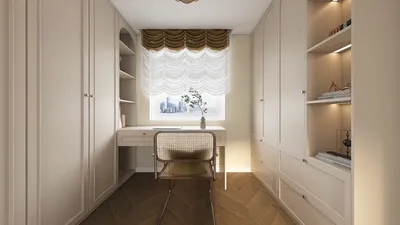


In the past, I made the mistake of painting a small north-facing bedroom the exact shade of gray that a client adored from a magazine, but by dinner, it became a gloomy cave—definitely a lesson learned the hard way. This experience prompted me to reconsider my color strategy, viewing paint as a partner to light rather than an adversary. Nowadays, for quick inspiration and planning, I often utilize Homestyler to create mockups of room layouts, allowing me to visualize how color and furniture harmonize.
1. Warm Light Neutrals (Ivory, Soft Beige)
For dimly lit rooms, my preferred choice is warm light neutrals since they gently reflect the limited light available without feeling cold. The benefit of these shades is that they create an illusion of a larger space and blend well with various furnishings; however, watch out for very yellow lighting, as it could give a slightly outdated appearance—balancing it with crisp white trim can remedy this.
save pin
2. Muted Pastels with Warm Undertones
Soft and muted pastel shades like dusty blush, sage with yellow undertones, or pale terracotta can introduce character without diminishing brightness. I recently used a dusty blush in a client’s study, and it appeared warm and inviting under lamp light. The only challenge is selecting a pastel with a warm undertone to prevent it from appearing ashy in shadows.
save pin
3. Deep Accent + Light Surround (Navy or Forest Accent)
Rather than painting all walls in dark hues, I frequently suggest opting for a single deep-accent wall surrounded by lighter walls. This design approach adds drama and depth while ensuring that the room maintains its brightness. It works exceptionally well in kitchens too—using Homestyler to experiment with mockups for small kitchen layouts can help you visualize contrasts and traffic flow effectively. This bold and modern style requires a careful balance to ensure the accent doesn't overpower the room.
save pin
4. High-Reflectance Whites on Ceilings and Trim
Employing a crisp, high-reflectance white for ceilings and trims can instantly elevate a dark room—think of it as capturing and framing the light. I applied this technique during a basement renovation and it remarkably made the space feel larger overnight; however, keep in mind that very bright whites tend to highlight imperfections, so preparation is key.
save pin
5. Gloss, Mirrors, and Metallic Accents
My go-to strategies involve finish choices and reflective surfaces: using satin or eggshell on walls, semi-gloss on trims, along with mirrors and a few metallic accessories that significantly enhance the existing light. When presenting the final renders to clients, I always incorporate a selection of metallics and mirrors to illustrate the effect vividly, utilizing realistic 3D renderings in Homestyler. The trade-off, however, is that glossier finishes tend to show smudges more easily, requiring regular maintenance.
save pin
FAQ
Q1: What are the best colors to paint dark rooms?
A1: Warm light neutrals, muted warm pastels, and pale greiges are all great options as they reflect light while maintaining warmth. Pairing these colors with crisp white trim helps to enhance brightness significantly.
Q2: Should I avoid cool blues in a dark room?
A2: Not necessarily—cool blues can be effective if you select lighter shades with warmer undertones and use them in conjunction with warm lighting. Deep cool blues should usually be reserved for accent walls instead of covering all four walls.
Q3: What paint finish is best for a dark room?
A3: Satin or eggshell finishes for walls strike a good balance between light reflection and hiding imperfections; semi-gloss on trim works well to enhance light reflection and maintain a clean appearance.
Q4: Will painting the ceiling a lighter color help?
A4: Absolutely—using a brighter white for the ceiling compared to the walls can visually elevate the room and reflect more light, offering a cost-effective solution for creating a more open feel.
Q5: How much does lighting affect paint appearance?
A5: Quite a bit—both natural and artificial light can significantly alter how paint colors appear. I always make it a point to test full-size swatches at various times throughout the day to ensure the desired outcome.
Q6: Any professional guidance I can trust on undertones?
A6: Paint companies like Sherwin-Williams provide valuable guides on undertones and light reflectance; their color resources (https://www.sherwin-williams.com) are great references for authoritative information.
Q7: Are mirrors a good substitute for repainting?
A7: Mirrors and glossy surfaces do help to amplify light and can be a budget-friendly option for brightening a space, but they should complement—not replace—the right paint choices.
Q8: Can I use dark paint in small rooms?
A8: Yes—if used thoughtfully as accents or for ceilings, dark paint can create a cozy ambiance. Just ensure to balance it with lighter furniture, reflective surfaces, and layered lighting for the best effect.
Homestyler is your go-to online home design platform! With an intuitive design tool, stunning 3D renderings, and a wealth of design projects and DIY video tutorials, you can effortlessly transform your space into a masterpiece. Start designing your dream home today!
Projete agora para LIVRE
































