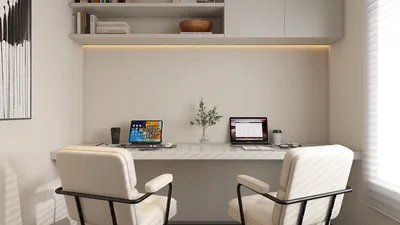


Kitchen countertops serve not just as surfaces for appliances, but as the backdrop for daily rituals and social interactions, such as morning coffee or late-night snacks. Adding small table lamps to these spaces introduces warmth and focused illumination where traditional under-cabinet or ceiling lights may fall short. In my design work, I often recommend lamps between 10 to 14 inches tall featuring focused shades, which encourage a more contemplative use of corner spaces for activities like reading recipes, plating dishes, or enjoying conversations during meal preparation.
The advantages of using lamps in kitchen design extend beyond aesthetic appeal; they can significantly enhance functionality. According to WELL v2 guidelines, providing adequate illumination for specific tasks is crucial for visual clarity and rhythm. For intricate tasks, a light level of 300–500 lux is ideal at the work surface. Furthermore, research from Steelcase shows that a layer of lighting can lead to greater user satisfaction and better spatial awareness in multifunctional areas—a benefit I consistently observe when a small lamp works in harmony with ambient and task lighting. To minimize glare, I aim for a unified glare rating comparable to a matte light source, selecting diffused shades and lamp heights that prevent bulb visibility from both standing and seated positions.
Psychologically, a warm beam of light reinforces the perceived boundaries of different zones within the kitchen—individuals congregate where the lighting is gentle, facial features appear more inviting, and ambient noise feels softened. As noted by Verywell Mind's research on color psychology, warmer light shades impart an inviting and soothing atmosphere; practically speaking, setting a lamp to 2700–3000K on the kitchen counter transforms snack preparations into a welcoming event rather than just a continuation of cooking tasks. Incorporating a dimmer switch also allows for effortless transitions from bright food prep to a mellow evening atmosphere.
Choosing the Right Lamp Size
Proportions are essential. For typical countertops, which are 24 inches deep with an 18 to 20-inch height beneath overhead cabinets, I suggest a lamp between 10 to 14 inches tall and a shade diameter of 4 to 7 inches. This configuration maintains clear sightlines and distributes light effectively across a 16 to 22-inch usable area. If your backsplash features shallow shelves or artwork, opt for a narrower base and route the cord along the back edge to prevent overcrowding the space. Dark cords can blend seamlessly against black stone, while clear cords will work well on lighter quartz surfaces.
Understanding Light Quality and Glare
- Brightness: Aim for 300–500 lux on the countertop during food prep. Generally, a 5 to 7 watt LED, emitting approximately 450 to 800 lumens depending on the shade's opacity, achieves this target for localized lighting.
- Color Temperature: Opting for 2700 to 3000K fosters a comfortable kitchen environment without casting overly warm tones on white surfaces. For kitchens with cooler palettes (like blue-gray walls or stainless steel accents), a 3000 to 3500K hue enhances food presentation without appearing sterile.
- Color Rendering: A CRI of 90 or above enhances the appearance of various food colors, making them more vibrant and visually appealing while also flattering skin tones in social settings.
- Managing Glare: Utilizing a fabric or matte glass shade diffuses light sources effectively; incorporate top diffusers or opal globes if the lamp is positioned opposite shiny tiles and ensure the bulb is not visible from a standing viewpoint.
Designing Functional Light Placement
Approach your layout in distinct zones: coffee area, food prep, landing space, and conversation spots. Positioning a lamp near the coffee station promotes a tranquil start to the day, while placing one at the end of an island subtly invites guests to sit down. In narrower kitchen designs, place the lamp on the non-prep side to avoid bumping elbows. For optimizing layouts, a room design tool like Homestyler can effectively analyze clearances with stools, appliances, and outlets.
Material Considerations in Lamp Selection
- Shades: Materials such as linen or cotton soften shadows, while pleated surfaces can add texture against sleek cabinetry. Opal glass provides uniform illumination, whereas clear glass requires frosted bulbs to mitigate harsh lighting effects.
- Bases: Heavy stone or metal bases stabilize the lamp against unintended movements from cords. Wooden bases can warm up the coolness of stone countertops and connect visually to flooring or open shelving.
- Finishes: Complement warm woods and cream shades with brushed brass or bronze. Polished nickel works beautifully with cooler whites and gray veining. Selecting a finish that echoes existing hardware promotes visual cohesiveness.
Safety and Ergonomics in Countertop Design
- Clearance: Maintain a distance of 4 to 6 inches from any stovetop edge, ensuring that lamps are not located behind open flames or subject to steam from kettles or dishwashers.
- Cable Management: Secure cords along the backsplash with adhesive clips, forming gentle loops to minimize strain at the plug. Make sure outlets remain accessible for blenders and mixers.
- Switch Accessibility: Ensure that switches or inline dimmers are positioned within an 18 to 24-inch reach from your natural cooking posture to avoid the need to lean over hot cookware.
- Ease of Cleaning: Opt for lamps with surfaces that can be cleaned easily, such as sealed fabrics or glass finishes that can handle a mild, pH-neutral cleaner.
Acoustic and Visual Harmony
Small lamps provide a means to visually soften the harshness of hard surfaces and can help to manage sound reflection. Using repetition—like one lamp at the coffee station and another at the island end—creates a rhythm that deliberately makes long stretches of cabinetry feel purposeful. If you prefer a relaxed aesthetic, aim for asymmetry; balance one light fixture with a cutting board or a stack of cookbooks instead of duplicating lamps.
Sustainability and Energy Efficiency
Incorporate LED lighting that operates at 5 to 7 watts, promoting both reduced heat on the countertops and lower energy consumption. Employing timers or smart plugs turns lamps into intuitive guides for evening ambiance without the need for constant manual operation. When feasible, favor durable materials and replaceable bulbs to enhance the longevity of your lighting solutions.
Stylish Combinations for Different Aesthetics
- Modern designs: Choose a sleek metal lamp with an opal globe and set it at 3000K, CRI 90+.
- Transitional styles: Use a compact column lamp with an aged brass base crowned by a tapered linen shade at 2700K.
- Farmhouse style: Opt for a ceramic base with a textured shade alongside warm filament-style LED bulbs (frosted).
- Scandinavian look: Go for a pale wood base, paired with a drum fabric shade and matte finishing, balanced at 3000K.
A Checklist for Real-World Setup
1) Identify your work zones and power sources. 2) Measure lamp heights using a tape to ensure the shade fits beneath cabinets. 3) Start with a frosted 2700K bulb and adjust to 3000K if your kitchen is on the cooler side. 4) Install a cord clip and inline dimmer for flexibility. 5) Test both standing and sitting in stools to assess glare. 6) Take photos in daylight and evening to verify the intended mood and shadow play.
Reference Insights
- WELL v2 highlights the need for balanced illumination and glare management for comfort and biological rhythm support. Visit wellcertified.com for more on light quality standards.
- Steelcase research underscores how strategically layered light enhances user experience and task performance in work environments; many of these principles apply excellently in kitchen setups where preparation, display, and social engagement intersect. For further exploration, check out steelcase.com/research for valuable lighting insights.
Frequently Asked Questions
A suitable lamp height of 10 to 14 inches, with a shade diameter of 4 to 7 inches, typically accommodates standard upper cabinet dimensions while creating a useful area of illumination without dominating the countertop.
For optimal task performance, aspire for 300–500 lux on the work surface. Practically, a 5 to 7 watt LED (around 450 to 800 lumens), adjusted with a dimmer and appropriate shade opacity, achieves effective localized lighting.
Choose 2700 to 3000K to achieve a warm, hospitable atmosphere. If your kitchen's finishes lean cooler, maintain a color temperature range of 3000 to 3500K to keep whites sharp while ensuring a comfortable ambiance.
Select shades made from fabric or opal glass, utilizing frosted bulbs to avoid harsh reflections in the backsplash. Employ top diffusers in glossy cabinet contexts for improved light diffusion.
Keep at least 4 to 6 inches of space from hotter cooking zones, avoiding steam exposure; never position lamps directly behind open flames. Use weighted bases to stabilize the fixtures.
Compact lamps can act as supplementary sources of light, or even temporarily replace direct task lighting. For reliable task performance on countertops, maintain under-cabinet illumination while using lamps to enhance ambiance and focus during specific activities.
Position cords along the backsplash with low-profile clips in matching colors. Create a soft loop at the outlet and consider using cords equipped with inline dimmers for added convenience.
Opt for bases made from metal or sealed ceramic that are easy to clean. Opal glass can be wiped without streaking, provided you avoid harsh scrubbers.
Choose lamps with slender bases and limit adjacent items—such as a stack of cookbooks or a stylish tray—to maintain a good visual balance; the lamp can effectively anchor your vignette without creating a cluttered effect.
Indeed, you can program the lamp to activate at dusk for safe navigation and to set an evening atmosphere without necessitating manual adjustments.
Single lamps create a focused, intimate area, while pairs introduce rhythm over longer counters or flanking island seating. Consider testing different arrangements with a layout mockup before finalizing your selection.
With a CRI of 90 or above, you’ll enhance natural food colors and ensure flattering skin tones, which is especially beneficial in kitchens that experience varying daylight and evening light conditions.
Built on technology originally developed at Autodesk, Homestyler empowers anyone to design beautiful, realistic spaces in minutes. Join over 18 million users who have already discovered a smarter way to plan, visualize, and bring their dream homes to life — all from the comfort of a browser.


Minimalist Oak White Glass Pendant Lamp 3D Model

Minimalist Natural Wood Caged Pendant Lamp 3D Model
If you're looking to transform your home effortlessly, Homestyler is your go-to online design platform. With its user-friendly design tool, stunning 3D renderings, diverse design projects, and helpful video tutorials, you can easily visualize and create your dream space without any hassle.
Design jetzt kostenlos
































