


I have observed fluctuations in confidence during the moments leading up to an examination. Outside the examination hall, students either find a calming mindset or fall into anxiety. The strategies that foster a positive sense of confidence are not elusive; they can be designed, trained, and measured. To highlight the significance of space, Gensler’s Workplace Survey indicates that environments that promote concentration and relaxation lead to enhanced performance and satisfaction—students react similarly to environmental factors that influence their stress levels and focus. Additionally, the WELL v2 Mind concept emphasizes the importance of mental recovery through exposure to natural elements, physical activity, and controllable stimuli, establishing a connection between perceived control and diminished stress responses. Incorporating design tools like Homestyler can facilitate the creation of these supportive environments.
The role of color and lighting in influencing confidence may be underestimated. A summary of color psychology by Verywell Mind points out that shades of blue and green help to alleviate anxiety and foster a sense of stability, while warm accent colors can energize without elevating anxiety levels. From a lighting perspective, the Illuminating Engineering Society recommends around 300–500 lux for reading activities; I typically aim for lighting around 300–350 lux, with a neutral-white hue of 4000K, to strike a balance between alertness and tranquility, using matte finishes to minimize glare. When students find themselves in spaces that meet these specific requirements, their heart rates tend to stabilize, leading to more positive self-talk. For developing layouts, a simple interior layout planner can effectively visualize pre-exam zones featuring quiet seating and clear pathways. I frequently utilize a room layout tool to evaluate sightlines and traffic flow ahead of stressful occasions.
Establishing Routine Anchors for Stability
Predictability nurtures confidence. I guide students through a three-step pre-entry routine: micro-movement, breathing techniques, and setting clear intentions. First, engage in two minutes of dynamic movement such as ankle rocks, shoulder rolls, and light walking to reset posture and enhance circulation without elevating cortisol levels. Second, follow a breathing exercise: inhale for four seconds and exhale for six seconds, repeated six times. Finally, articulate your intent with a single statement you can commit to (e.g., “I will carefully read each question and highlight what I know”). These practices construct a reliable script that helps your mind recognize familiar patterns, avoiding the anxiety that arises from the unfamiliar.
Creating Micro-Zones Near the Exam Venue
Confidence is influenced by the surrounding space. I organize the corridor into three distinct zones: a quiet-focus area (with seating along walls, sound-dampening features, lighting at 300–350 lux, and a neutral color scheme), a movement area (open space for pacing and natural light), and a logistics area (with clear signage, a clock, and designated bag storage). This layout effectively reduces crowd clustering and the spread of negative energy, preventing detrimental chatter from permeating all areas. If designing these spaces in advance, consider running a quick layout simulation with an interior layout planner to assess capacity and minimize noise spillover.
Implement Behavioral Boundaries to Mitigate Noise
Gossip, last-minute study sessions, and score discussions can significantly undermine confidence. Establish clear boundaries: no content discussions within five minutes of entry, refrain from making predictions, and avoid sharing grades. If you're a student, stand at least two meters away from discussion clusters and steer conversations towards neutral subjects (like drinks, breathing, or logistics). From experience, a simple statement—“I’m staying focused until we finish”—often reorients group dynamics without causing friction.
Posture, Micro-Movements, and Ergonomic Considerations
Confidence is physically embodied. Stand with your feet hip-width apart, weight balanced, and shoulders relaxed. Avoid locking your knees or tensing your shoulders. A brief two-minute session of scapular circles and neck movements can alleviate perceived tension. I monitor for signs of 'phone neck'—when the chin juts forward and thoracic flexion occurs—as it suggests a defensive posture. Ergonomically, holding study materials at eye level and switching hands every 45 seconds helps to prevent uneven fatigue, enabling the brain to remain both alert and relaxed. Research by Herman Miller emphasizes the connection between maintaining a neutral posture and sustaining focus, which is particularly important in hallways with limited seating options.
Crafting Your Self-Talk and Breaking Catastrophic Thought Loops
Outside the examination hall, confidence can waver when negative self-talk takes over. I utilize two scripts: a process script and an evidence script. The process script includes guidelines like: “I will pace myself, breathe deeply, scan the questions, and tackle the known answers first.” The evidence script consists of two previous successes and one important preparation milestone. This approach narrows attention to aspects within your control and concrete evidence of your capabilities. If a catastrophic thought emerges—like “If I fail, everything is over”—employ a rapid cognitive reframe: identify it, validate the feeling, and substitute it with an affirmative statement (“That’s just anxiety talking; it’s not the reality. I’ve prepared thoroughly, and I will execute my plan.”).
Prioritizing Acoustic Quality
Confidence is easily disrupted by sound disturbances and unpredictability. Utilize soft furnishings, rugs, or textiles to mitigate echoes in corridors where possible. If altering materials is not an option, control auditory inputs—earplugs or low-volume white noise can be beneficial for a few minutes before entry. Research from Steelcase indicates that unpredictable noise can impede concentration; providing predictability outside exam halls is crucial. Ensure alarms are off, notifications silenced, and refrain from tapping or using noisy items like zippers.
Mindful Nutrition Timing for Glycemic Stability
Confidence often wavers with fluctuations in blood sugar levels. Aim for a slow-release snack about 45–60 minutes before the exam starts—choices like oats, yogurt, nuts, or a banana with peanut butter—alongside water. Refrain from consuming sugary snacks within 20 minutes of entry as they can spike arousal levels, leading to a crash during the exam. In my designs, placing a hydration station adjacent to the logistics area along with timing signage helps reduce the urge for last-minute sugary snacks, which can negatively affect mood.
Engage in Social Microdosing, Not Full Social Immersion
Short, positive interactions reinforce a feeling of belonging and help reduce stress—one minute of supportive conversation followed by returning to your quiet space is ideal. Lengthy discussions can increase cognitive load and foster anxiety from comparisons. I prefer a quick check-in with a buddy: share a calming phrase and breathe together, then part ways. Though small, these interactions register as safety cues for the nervous system.
Managing Visual Focus
The visual stimuli you choose to focus on are important. Keep your gaze directed towards neutral surfaces or natural views when available. Avoid scanning last-minute tip posters as they can induce urgency. Clear sightlines help reduce distractions, so if you have the ability to influence the environment, opt for tranquil colors and eliminate jarring graphic distractions from pre-exam zones.
Focus on Recovery After Exiting
Building confidence is an ongoing process, especially after the exam. Avoid diving straight into post-exam evaluations or discussions about performance. Instead, take a five-minute walk, hydrate, and only then, review your performance if necessary. Acknowledge two things you did well and note one small adjustment for the future. This approach promotes a positive narrative moving forward rather than dwelling on past events.
Creating a Comprehensive Plan to Repeat
Your checklist before entering the exam hall should include arriving 20 minutes early, reviewing the layout of the three zones, practicing your mobility and breathing exercises, utilizing your process and evidence scripts, maintaining ergonomic posture, managing noise, and keeping social engagements brief. If you are responsible for organizing the space, ensure the lighting is calibrated to 300–350 lux, employ calming greens and blues with warm accents, use soft materials for better acoustics, and ensure easy navigation is a priority. Tools like Homestyler can assist in visualizing the zones and optimizing crowd flow well in advance of exam day.
Frequently Asked Questions
Target a brightness level of 300–350 lux with neutral-white light at 4000K. This setting is ideal for reading without causing glare and supports a state of calm alertness during the moments leading up to the exam, in line with IES guidelines for visual tasks.
Soft shades of blue and green convey stability and relaxation, while limited warm accents can inject energy. These insights align with the color psychology research presented by Verywell Mind.
Following a breathing pattern of four seconds inhalation and six seconds exhalation for six cycles consistently helps lower stress levels without leading to drowsiness. Maintain relaxed shoulders and an unclenched jaw.
Stand at least two meters away from clusters of intense discussions, establish a clear boundary for conversation, and limit social engagement to brief, supportive check-ins.
Absolutely. Maintaining a neutral spine position (feet hip-width apart, shoulders relaxed, chin level) reduces signals of threat and aids in focused attention. Insights from Herman Miller underline the relation between posture and cognitive performance.
Select slow-releasing carbohydrates and protein about 45–60 minutes prior to the exam—such as oats, yogurt, nuts, or banana with peanut butter—and stay hydrated. Avoid sugary snacks right before entry to prevent energy crashes.
Design the corridor to feature zones for quiet focus, movement, and logistical support. Ensure clear sightlines, sound-absorbing materials, and controlled lighting to decrease noise and crowd pressure. Use layout simulation tools to plan arrangements ahead of exam day.
Light conversations are fine before the exam begins, but you should prohibit content discussions five minutes before entering. Shift focus to process scripts and breath exercises to stabilize concentration.
Acknowledge the anxiety, validate it, and frame it with evidence-based affirmations: “That’s simply anxiety manifesting, not an indication of reality. I’m prepared, and I have a plan to execute.”
To manage sound, choose soft, absorbent materials wherever possible; if that isn’t feasible, mitigate noise inputs with earplugs or low-volume background sound. Eliminate impulsive noise sources like fidgeting or bag zippers.
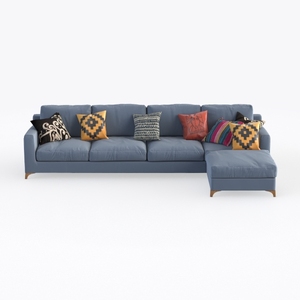
LLappuil Modular Sectional Sofa, Convertible U Sha


KOMFOTT 72.5” Loveseat Sofa Couch, Modern Love Sea
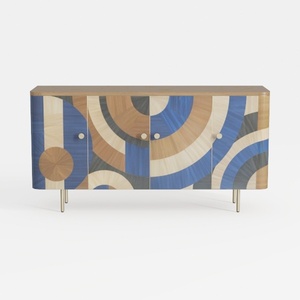
Tribesigns 63'' Farmhouse Sideboard Buffet Cabinet
Discover your creativity with Homestyler, the ultimate online home design platform! Featuring an intuitive design tool, stunning 3D renderings, and inspiring DIY tutorials, it's perfect for bringing your interior ideas to life. Transform your space effortlessly, no experience needed!
Zaprojektuj teraz za darmo
































