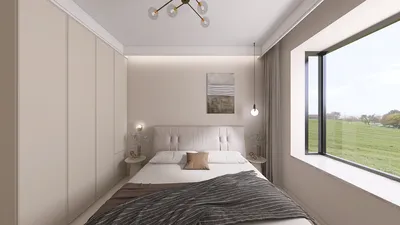


Boho wall decor celebrates the essence of freedom, rich textures, and evocative stories—elements that convey a sense of collection rather than mere coordination. I emphasize tactile materials, artisanal details, and a masterful use of negative space to create an artistic yet orderly aesthetic. Importantly, as noted by Verywell Mind, warm earth tones like terracotta and mustard enhance feelings of comfort and stability, while calming cool greens promote relaxation—keep this color strategy in mind when selecting fabrics, wall paints, and artwork. From a practicality perspective, the WELL v2 Light concept recommends managing glare and ensuring balanced lighting; when showcasing layered wall decor, opt for diffuse, warm lighting (2700–3000K) to maintain richness in color and depth in texture, making Homestyler an excellent tool for visualizing these effects.
Texture serves as the cornerstone of the boho aesthetic. In my designs, woven elements, knotting, and natural fibers add immediate visual interest. Research from Steelcase indicates that environments featuring both visual and tactile variety enhance engagement and comfort perception; apply this insight by blending macramé with rattan, linen tapestries, and intricately carved wood. Maintain a harmonious light ratio on your walls to prevent visual strain—follow IES advice to avoid stark contrast points, softly illuminating surfaces instead of spotlighting delicate fibers.
Curate with Stories, Not Sets
Rather than opting for uniform decor, create a narrative wall. Fuse travel photos, thrifted frames, preserved botanicals, and a large textile piece. I favor asymmetrical arrangements for an organic feel: start with a focal point (either a textile or a large image), and gradually arrange smaller items in clusters, being mindful to leave intentional space for breathing. If you want to experiment with layouts before affixing anything, utilize a room layout tool to visualize placements, adjust scaling, and ensure balance prior to hanging— Homestyler can be particularly useful for this stage.
Color Flow: Earthy Base, Bright Accents
Boho color schemes truly shine when grounded in neutral tones—think sand, clay, and olive—while vibrant accents of marigold, indigo, or coral can pop in the space. According to Verywell Mind’s color psychology, yellow is associated with optimism while blue tends to calm—treat vivid hues as accents to prevent overwhelming the environment. Consider painting a soft limewash backdrop behind a tapestry to enrich texture without harsh glare. Ensure ceiling lighting remains warm (around 3000K), and incorporate one or two wall washers to combat flatness.
Textiles: Macramé, Kantha, and Kilim
Textiles introduce movement and sound absorption, lending a cozy atmosphere to rooms. I interchange macramé wall hangings with kantha quilts and kilim pieces mounted on rods. The trick lies in varying the thickness of fibers and weaving styles for visual rhythm. Utilize magnetic poster rails for easy changes when necessary, and ensure the bottom edges align within a consistent horizontal zone to minimize visual clutter. For heavier installations, it’s vital to secure fixtures into studs and evenly distribute weight with French cleats.
Natural Elements: Rattan, Cane, and Raw Wood
Incorporate woven rattan mirrors, cane panels, and live-edge shelving into your design. I often install a raw wood ledge to display small framed prints, ceramics, and trailing pothos, with the greenery softening the geometric elements and introducing a biophilic touch. Seal raw wood using a matte, low-VOC finish to highlight its tactile grain. For cane panels, framing them in thin black metal adds contrast and prevents the arrangement from feeling overly soft.
Layered Art: Collage Without Clutter
To prevent chaos in your decor choices, limit yourself to three primary visual themes—such as organic shapes, hand-drawn line art, and botanical designs—and maintain these across varying media. Position denser groups at eye level and taper density upwards for balance. I prefer to display small shadow boxes containing found objects (like shells or vintage fabrics), ensuring to leave 1.5-2 inches of space between frames in tighter clusters and increase to 3-4 inches for larger pieces to enhance texture visibility.
DIY Techniques You Can Finish in a Weekend
- Macramé mini hangings: Use cotton rope (4–6mm) for square and lark’s head knots; dye the ends with tea or coffee for an understated ombré effect.
- Painted arch backdrop: Tape out a gentle arch behind a mirror using a level; fill it with mineral paint in clay or blush for subtle warmth.
- Pressed botanicals: Dry ferns and grasses between parchment and heavy books for two weeks; mount them on textured paper with archival tape for a fresh take.
- Fabric strip tapestry: Tear linen and cotton into 2-3 inch strips, knot them onto a dowel, and mix various lengths to create fringe movement.
- Clay wall medallions: Air-dry clay stamped with lace and finished in matte sealant; display in odd numbers (3-5) for optimal balance.
Lighting the Look: Warm, Layered, and Gentle
Boho walls require gentle lighting to accentuate texture effectively. Target 2700–3000K bulbs with a high color rendering index (CRI of 90+) to maintain the authenticity of textiles. Use one diffuse ceiling fixture, alongside a dimmable wall sconce, and a small picture light for focal pieces. The WELL v2 guidance on reducing glare highlights the importance of visual comfort, recommending diffused sources and shielded beams; consider fabric shades or prismatic diffusers while positioning picture lights at a 30° angle to minimize specular reflections.
Acoustic Comfort: Soft Surfaces, Quiet Hardware
Textiles, cork, and rattan not only beautify but also naturally absorb sound. If your wall faces a bustling corridor, incorporate a cork pinboard dressed in linen, and integrate lightweight frames with felt bumpers to reduce vibrations. This results in a more serene soundscape that resonates with the overall boho style.
Scale, Rhythm, and Negative Space
Effective boho walls need room to breathe. Follow a loose guideline of 60% visual mass (art and objects) to 40% negative space. After each piece is added, take a step back to assess the overall rhythm—repeat materials every third item and vary the scale every two additions. If a section appears congested, consider removing an item and incorporating vertical textures (like a hanging plant or a long tassel) to elongate the visual line.
Sustainable, Low-Fuss Materials
Focus on repurposing vintage frames, utilizing natural fibers, and selecting low-VOC finishes. Innovating material databases, like Material ConneXion, offer an array of sustainable alternatives as you search for eco-friendly decor options. I frequently select linen over polyester for its breathable feel and natural aging process that beautifully complements the boho aesthetic.
Simple Layout Planning Before You Drill
Experiment with digital arrangements to eliminate guesswork. A lightweight interior planner allows you to measure, align, and envision placements accurately. Create paper templates for each item, tape them to the wall, and acclimate to the composition for a day. When ready, mark your anchors, check stud locations, and leave a small margin for tweaks after hanging finishes.
Common Mistakes to Avoid
- Overloading colors: Reserve vibrant shades for accentuating purposes.
- Overlooking light quality: Steer clear of cool lamps; they diminish natural textures.
- Combining excessive motifs: Limit yourself to three visual themes.
- Neglecting negative space: Embrace white space as a vital design element.
- Hanging heavy items on insufficient fasteners: Use appropriate anchors or cleats, and ensure even load distribution.
FAQ
Q1: How do I keep boho wall decor from looking messy?
A: Limit your color palette to earthy neutrals combined with 1-2 accent colors, replicate materials across the layout, and maintain at least 35-40% negative space. Group smaller objects together, anchor them with one large piece, and frequently step back to assess rhythm with Homestyler for a visual overview.
Q2: What lighting temperature works best for boho textures?
A: Aim for warm lighting in the range of 2700–3000K with a high CRI (90+) to capture the richness of textiles and wood grains. Shield direct illumination and incorporate diffusers to lessen glare; this recommendation aligns with WELL v2’s insights on visual comfort.
Q3: Which colors enhance a cozy atmosphere without being overwhelming?
A: Utilize terracotta, clay, olive, and subdued mustard for base shades; consider indigo or coral as energetic highlights. Verywell Mind emphasizes yellow’s association with optimism and blue’s soothing qualities—use both sparingly to maintain equilibrium.
Q4: Do you have any quick DIYs suitable for renters?
A: Try fabric strip tapestries secured with removable hooks, magnetic rails for artworks, and painted arches using removable paint options. Pressed flowers in thrifted frames can add impact without heavy hardware requirements.
Q5: How can I efficiently plan the layout before drilling?
A: Use an interior layout planner for accurate scaling and positioning, then create physical templates for each piece. Live with the mock-up setup for a day, make spacing adjustments, and accurately label anchor points with a level for best results.
Q6: What materials are most sustainable for boho decor?
A: Look for natural fibers like linen, cotton, jute, and reclaimed wood. Choose low-VOC finishes and repurpose vintage frames when possible. Material ConneXion serves as an excellent resource for innovative, eco-friendly materials.
Q7: How do I achieve balance on a narrow wall?
A: Arrange vertical textures—such as long macramé, hanging plants, and slim framed art—then introduce a small ledge shelf to bring in horizontal balance. Position heavier items lower to ground the overall design.
Q8: Can boho decor improve acoustics?
A: Certainly. Textiles, cork boards, and woven elements function to absorb and diffuse sound effectively. Incorporate felt bumpers behind frames, and utilize soft background materials to diminish vibrations in more active areas.
Q9: What is the safest method to hang heavier textiles?
A: Utilize French cleats or a continuous mounting rail anchored to studs and ensure weight is evenly distributed. Verify hardware specifications and steer clear of single-point hooks for larger fabric pieces.
Q10: How much color is excessive?
A: Maintain a neutral base while restricting accent colors to 10-20% of wall coverage. If the overall effect appears overly busy, consider removing an accent color and introducing a piece with natural texture to achieve a calmer palette.
Homestyler's roots trace back to Autodesk, the global leader in design and engineering software. That heritage lives on in every feature we build. Today, with a community of more than 18 million users worldwide, Homestyler continues to make professional-quality interior design accessible to everyone — from first-time decorators to seasoned architects.


Rustic Solid Wood Round Coffee Table With Black Metal Legs 3D Model

Modern Japandi Solid Wood Rattan Coffee Table 3D Model
Minimalist Round Tufted Fabric Ottoman 3D Model
Homestyler is your go-to online home design platform! It features an easy-to-use design tool, stunning 3D renderings, and an abundance of inspirational design projects. Plus, with engaging DIY video tutorials, you’ll have everything you need to create the perfect space—effortlessly!
立即免费设计
































