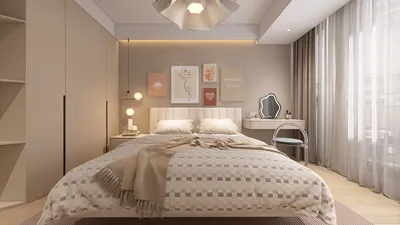


I once managed to persuade a client that a bluish gray hue would be a safe choice. After painting an accent wall, the entire building was abuzz, wondering who had done the renovation. This amusing victory remains a favorite of mine, illustrating how even small design decisions can make a significant impact, akin to my experience with a favorite renovation project.
1. Soft Contrast with Warm Wood
Combining bluish gray walls with warm oak or walnut is a pairing I truly cherish. The bluish gray tones bring a tranquil essence to the room while the wood infuses it with coziness. This combination is budget-friendly, and alternatives like engineered wood or peel-and-stick options can achieve similar aesthetics, although they may not offer the same long-term durability as solid wood.
save pin
2. Layered Neutrals for Depth
In smaller spaces, I often recommend utilizing various shades of gray and off-white to create the illusion of depth. Bluish gray serves as a mid-tone that allows lighter trim to stand out, while darker textiles help anchor the room. However, be cautious in north-facing rooms where the color could appear cold unless balanced with warmer textiles.
save pin
3. Moody Accent Wall with Metallic Touches
For a dramatic effect, consider painting a single wall in bluish gray and complementing it with brass or copper fixtures; these metallic elements beautifully warm the cool undertones of the wall. I employed this method in a compact kitchen, achieving a luxurious appearance on a limited budget—just ensure that other finishes remain understated to let the wall shine, similar to my experience in a space-saving kitchen project.
save pin
4. Textured Finishes for Character
A matte bluish gray with a subtle plaster texture adds personality without overwhelming a smaller space. It conceals imperfections effectively while maintaining a modern feel, though textured finishes can be slightly more expensive and generally require a skilled hand for optimal results.
save pin
5. Transitional Palettes for Open Plans
In open-plan areas, bluish gray serves as an excellent transitional color, bridging the gap between cooler and warmer palettes. It can be utilized on intermediary walls or as a backdrop for sofas to unify various spaces. I once used a photorealistic mockup to help a hesitant client see the vision, proving effective, but it's crucial to test color samples throughout different times of the day.
save pin
Tips 1:
Always test your paint on larger poster boards and observe them under both morning and evening lighting conditions. A pint-sized sample could save you from spending excessively and regretting your choices.
save pin
FAQ
1. What rooms work best with bluish gray wall paint?
Bedrooms, living rooms, and kitchens greatly benefit from bluish gray, which is versatile enough to create a calming atmosphere in bedrooms and a sophisticated feel in living areas. In kitchens, combining it with warm metallic elements can prevent a sterile look.
2. How does lighting affect bluish gray?
Natural light enhances the blue undertones, while warm artificial lighting softens it toward gray. It’s essential to evaluate samples in your room's specific lighting before making a final call.
3. What trim color pairs well with bluish gray?
Crisp white trim creates a striking contrast, while cream or warm off-whites can soften the look for a cozier vibe. Choosing the right trim finish—matte or semi-gloss—depends on the room's purpose, with semi-gloss being easier to maintain.
4. Can bluish gray make a small room feel larger?
Absolutely—a mid-tone bluish gray can create a visual retreat, making walls appear more distant, especially when paired with lighter ceiling colors. Opt for low-profile furniture to amplify the sense of space.
5. Is bluish gray trendy or timeless?
Bluish gray strikes a harmonious balance between being trendy and timeless; its understated nature keeps it relevant for seasons to come. You can update the look with modern hardware or maintain a classic aesthetic with traditional moldings.
6. What finishes suit bluish gray best?
Matte or eggshell finishes work well for walls, as they help conceal imperfections, whereas satin or semi-gloss finishes are preferable for trims and high-contact areas. Textured finishes can provide character but may raise labor costs slightly.
7. Any authoritative advice on choosing gray tones?
According to Sherwin-Williams, it's vital to test colors under various lighting conditions and to sample paint on multiple walls to observe the shifts in undertones (https://www.sherwin-williams.com/). Their guidelines are a dependable resource when selecting the right shades.
8. How do I coordinate furniture and textiles?
Utilize a blend of warm materials, such as wood and leather, alongside cooler accents like glass and chrome to create a balanced look with bluish gray. Accent pillows and rugs provide cost-effective options for adjusting warmth without the need for repainting.
save pin
Homestyler is your go-to online home design platform, perfect for anyone looking to transform their space. With its user-friendly design tool, stunning 3D renderings, and a wealth of DIY video tutorials, you can effortlessly bring your dream home to life. Start designing today!
Zaprojektuj teraz za darmo
































