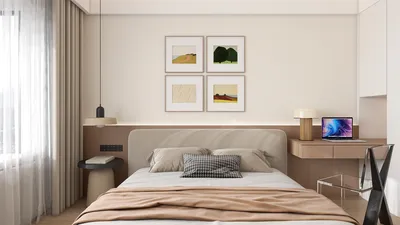


In my experience, I once persuaded a client that painting their doors black would evoke the ambiance of a vintage mystery novel — they adored the idea, until their feline companion started to vanish into the shadows. This amusing mishap made me realize how black doors can be either striking or off-putting, based on their finish, trim, and overall context, which is why I now create multiple design sketches before finalizing decisions (I frequently share kitchen layout inspirations when coordinating doors with cabinetry).
1. Classic High-Contrast (Black Door + White Trim)
I recommend this combination when seeking a neat, timeless anchor in a home. The contrast is clean: black doors appear purposeful and fit perfectly within both traditional and eclectic modern interiors. However, keep in mind the upkeep — white trim easily shows marks, and matte black finishes tend to highlight fingerprints, so it’s wise to opt for a semi-gloss trim and a resilient door finish.
save pin
2. Soft Matte Black for Serene Bedrooms
When aiming for tranquility, I direct clients towards a soft, warm black with a low-reflective matte finish — this approach feels less stark and much more inviting. It's forgiving in smaller spaces and pairs wonderfully with warm fabrics; the only downside is lighting: layered lamps are essential to prevent the atmosphere from feeling too cave-like.
save pin
3. Black with Wood Accents for Added Warmth
A useful trick I picked up during a budget renovation involved painting doors black and incorporating a slender wood rail or handle to break the monochrome effect. This strategy introduces texture at minimal cost while maintaining visual drama. To assist clients in visualizing this, I utilize 3D renderings to show how wood tones can soften black doors under various lighting conditions.
save pin
4. Glossy Black for Striking Hallways
Glossy black doors reflect light beautifully, creating a sumptuous, dramatic corridor for those willing to take the plunge. Benefits include easy cleanup and a captivating appearance. However, they do display fingerprints and necessitate detailed prep and sanding, making them less ideal for those seeking a low-maintenance finish.
save pin
5. Two-Tone Doors for Compact Spaces
In cases where floor space is at a premium, I sometimes suggest splitting the door horizontally: using black on the lower half for visual stability, and a lighter shade above to maintain open sightlines. This method gives doors a bespoke feel and helps avoid the claustrophobic effect of heavy slabs. If you're redesigning a small bathroom or laundry area attached to a hallway, this technique complements tiles and fixtures effectively — many of my projects highlight practical bathroom design ideas.
save pin
Tips 1:
Budget Tip: A quality door painting job hinges on thorough preparation. Set aside approximately 30–40% of your budget for sanding, priming, and updating hardware. For quick wins, consider replacing old knobs with satin brass ones and refreshing the trim around the door to enhance the new look.
save pin
FAQ
Q1: Is it appropriate to use black paint on all interior doors?
A1: Absolutely, but context is key — factors like light levels, room purpose, and trim color can alter the outcome. For darker areas, ensure additional lighting; in bedrooms, matte options help create a cocooning atmosphere.
Q2: What paint finish works best for interior doors?
A2: For high-traffic doors, semi-gloss or satin finishes are durable and easy to clean; matte or eggshell finishes are better suited for low-traffic bedrooms, providing a softer appearance.
Q3: Can black doors make a small room seem even smaller?
A3: Solid black may visually constrict a room, but opting for two-tone styles or incorporating glazing can prevent a cramped feeling.
Q4: What is the best way to maintain black-painted doors?
A4: Regularly wipe them with a damp cloth for dust. For matte surfaces, steer clear of harsh cleaners. Keeping a small touch-up kit with the same paint is helpful for any scuffs.
Q5: Is it possible to paint door hardware instead of replacing it?
A5: Yes, you can use metal-specific spray paint, but replacing hardware often yields better durability and enhances the overall appearance at a modest cost.
Q6: Are there certain recommended black paint shades?
A6: Popular choices include warm blacks with brown undertones and true charcoal. Always test samples directly on the door, as photos tend to misrepresent colors due to lighting changes.
Q7: Do you have any professional advice on preparation and priming?
A7: Proper sanding and a high-adhesion primer are crucial; many paint companies provide detailed guidelines (for instance, Sherwin-Williams offers practical how-to resources at https://www.sherwin-williams.com/).
Q8: How do black doors impact resale value?
A8: Thoughtfully chosen black doors can elevate the perception of quality and style, particularly when finishes are consistent. If in doubt, restricting black to feature doors, like a pantry entrance or a master suite, is often a safer bet for return on investment.
save pin
Discover the creativity of home design with Homestyler! This user-friendly platform offers an intuitive online design tool, stunning 3D renderings, and a wealth of inspiring design projects. Plus, with DIY video tutorials, transforming your space has never been easier. Start designing your dream home today!
Progetta ora GRATIS
































